

To support a nervous child about losing their first tooth, reassure them that it’s a normal part of growing up and explain the process simply and positively. Turn it into a fun, magical event by sharing stories about the tooth fairy and celebrating bravery. Use comforting items like a favorite toy during dental visits and praise their courage afterward. If you want to discover more helpful tips to make this milestone easier, keep exploring proven strategies for easing your child’s worries.

Turn the school run and nap time into listening time
- Thousands of audiobooks, podcasts and originals
- Listen on your phone, tablet or Echo — also offline
- Cancel anytime
Key Takeaways
- Reassure your child by explaining that losing teeth is a natural and normal part of growing up.
- Share positive, magical stories about the tooth fairy to make the event exciting rather than frightening.
- Prepare for dental visits with a friendly, pediatric-trained dentist and use comforting items like toys or blankets.
- Encourage gentle wiggling and proper oral hygiene to ease discomfort and prevent infection.
- Celebrate the tooth loss with enthusiasm to create a positive association and boost confidence.
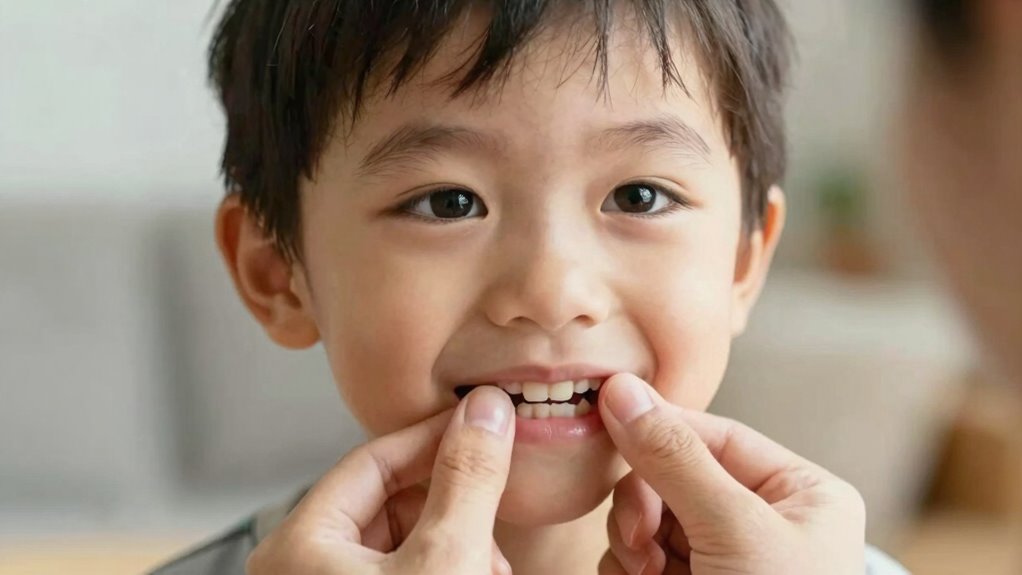
Losing a first tooth can be an exciting milestone for your child, but it can also bring feelings of nervousness or fear. You might notice your little one feeling unsure about what’s happening or worried about pain and change. To help ease these worries, it’s important to approach the situation with reassurance and understanding. Start by explaining what’s happening in simple terms, emphasizing that losing teeth is a normal part of growing up. Share positive stories about the tooth fairy traditions, which can make the experience feel magical and less intimidating. Let your child know that the tooth fairy will visit once the tooth is under their pillow, bringing a small surprise to celebrate their bravery. This can turn a potentially stressful event into an exciting adventure.
Losing a first tooth is a normal milestone—approach it with reassurance and celebrate the magic of the tooth fairy.
When it comes to dental visit tips, preparation is key. If your child needs to see the dentist before losing their tooth, make sure to choose a friendly, pediatric-trained professional who knows how to make kids feel comfortable. Talk to your child beforehand about what to expect during the visit, using reassuring language. Remind them that the dentist is there to help keep their teeth healthy and that there’s nothing to fear. Bring along their favorite toy or blanket for comfort, and avoid any negative talk about dental visits, as children pick up on your feelings. Praise their bravery afterward, no matter how the appointment goes, to build positive associations. Remember that understanding biodiversity and the importance of healthy ecosystems can help foster a broader appreciation for caring for living things, including their own bodies. Additionally, teaching children about tooth anatomy can help demystify the process and reduce anxiety. Explaining the growth process of teeth can also help children understand how their body develops and change over time. Knowing about the structure of teeth can empower children to take better care of their oral health from an early age. Furthermore, explaining how tooth development occurs can boost their curiosity and motivation to maintain good dental habits.
Encourage your child to take care of their loose tooth by gently wiggling it and keeping their mouth clean. This helps prevent pain and infection, making the process less frightening. If they’re worried about the pain of losing the tooth, you can offer a cold cloth or a soft rinse to soothe any discomfort. When the tooth finally comes out, celebrate the moment with enthusiasm. You might remind them about the tooth fairy traditions, such as leaving a note or placing the tooth in a special container under their pillow. This reinforces a sense of routine and fun, making the whole experience less scary.
Ultimately, your calm attitude and support can make all the difference. By explaining what’s happening, preparing them for dental visits, and turning the event into a positive experience, you help your child navigate this milestone with confidence and joy.
As an affiliate, we earn on qualifying purchases.
Frequently Asked Questions
When Should I See a Dentist About My Child’s Loose Tooth?
You should see a dentist if your child’s loose tooth doesn’t fall out within a few weeks or if they experience pain, swelling, or bleeding. While you wait, avoid myths about the Tooth Fairy that might cause unnecessary worry. Focus on good dental hygiene tips like gentle brushing and regular checkups. If you’re concerned, consulting a dentist guarantees your child’s comfort and prevents potential issues.
How Can I Help Prevent Dental Anxiety in Young Children?
You can prevent dental anxiety by making tooth brushing and flossing fun and routine. Show enthusiasm, sing songs, or use colorful tools to engage your child. Avoid scolding or rushing, as that can amplify fears. Use gentle flossing techniques and demonstrate proper brushing to boost their confidence. By creating a positive experience, you help your child feel secure, turning dental care into a family adventure rather than a scary chore.
Are There Natural Remedies for Easing Tooth Loss Discomfort?
You can try natural remedies like herbal remedies such as chamomile or clove oil, which have soothing properties to ease discomfort. Applying a cold compress can also help reduce pain and swelling. Gentle soothing techniques, like encouraging your child to rest and offering soft foods, make the process easier. These methods can help your child feel more comfortable during tooth loss, easing anxiety and promoting healing naturally.
What Signs Indicate My Child’s Tooth Loss Might Be Abnormal?
Think of your child’s dental development as a delicate dance, where each move matters. Signs of abnormal tooth loss include persistent pain, swelling, bleeding, or a tooth that doesn’t loosen naturally. If oral health habits haven’t been maintained or if the tooth falls out prematurely or painfully, it might signal an issue. Keep an eye on these signs and consult a dentist to guarantee healthy growth and prevent complications.
How Do I Encourage My Child to Embrace the Tooth Fairy Tradition?
Encourage your child to embrace the tooth fairy tradition by celebrating milestones together, making it a fun and special occasion. Share stories or create a small ritual, like leaving a note for the fairy, to build excitement. By doing this, you’ll help your child feel proud and confident about losing their tooth. Celebrating these moments not only makes the experience memorable but also helps build their confidence in facing new challenges.
Conclusion
Remember, your calm reassurance can turn their worries into brave adventures. By showing patience and understanding, you help them see losing a tooth as a magical milestone, not a terrifying event. With your support, their nerves will melt away faster than snow in the summer sun. Soon enough, they’ll be grinning from ear to ear, ready to show off that wiggly, wonderful first tooth like a shining treasure—because your kindness makes all the difference.
Halloween Picks
halloween
As an affiliate, we earn on qualifying purchases.