

During stressful school months, you may notice your child grinding their teeth at night, which can cause jaw soreness, headaches, and worn teeth. Stress from schoolwork can increase anxiety, making bruxism worse. To help, establish calming bedtime routines, limit screen time before bed, and create a peaceful sleep environment. Recognizing these signs early and understanding how stress impacts your child’s dental health can make a big difference—learn more to protect their smile effectively.

Turn the school run and nap time into listening time
- Thousands of audiobooks, podcasts and originals
- Listen on your phone, tablet or Echo — also offline
- Cancel anytime
Key Takeaways
- Stress from school can increase nighttime teeth grinding in children, highlighting the need for early recognition.
- Signs include worn teeth, jaw soreness, headaches, and parental observations of nighttime grinding.
- Establish calming bedtime routines and limit screen time to help reduce stress-induced bruxism.
- Address emotional stress and anxiety to prevent worsening of teeth grinding habits.
- Early intervention with stress management and dental care can protect oral health and improve comfort.
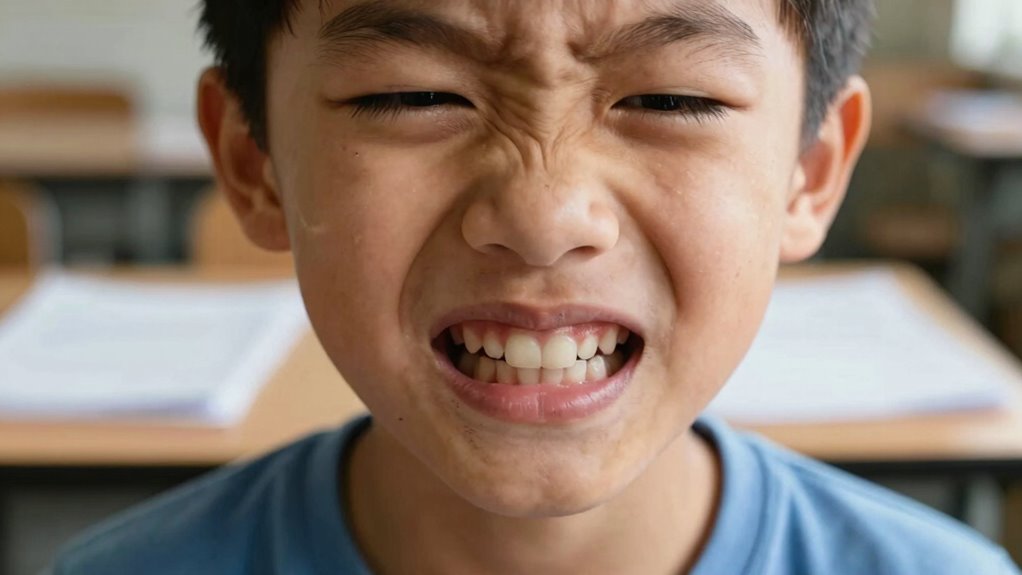
As stressful school months ramp up, many students unknowingly start grinding their teeth, a habit known as bruxism that can lead to discomfort and dental issues. You might notice your child waking up with a sore jaw, headaches, or even worn-down teeth, which are common signs of nighttime teeth grinding. During stressful periods, this habit often worsens because anxiety and tension cause your child to clench or grind their teeth more frequently, especially during sleep. Understanding the role of nighttime habits can help you identify the problem early and seek appropriate solutions.
Stressful school months can lead to nighttime teeth grinding, causing discomfort and dental issues in children.
One of the first steps is observing your child’s nighttime routines. Stress can manifest physically in ways like teeth grinding, so establishing calming bedtime rituals can make a difference. Encourage your child to unwind with relaxing activities such as reading or listening to soothing music before bed. Limiting screen time and caffeine intake close to bedtime can also reduce overall anxiety, helping to relax jaw muscles. Creating a peaceful sleep environment further supports restful sleep and minimizes the chances of grinding. Recognizing the connection between stress and physical symptoms can help you better address the root cause of bruxism. Recognizing stress-related dental habits early can significantly improve your child’s oral health and comfort. Additionally, understanding how stress influences physical behaviors can provide deeper insight into managing and preventing bruxism. Developing awareness about stress triggers can also assist in creating targeted strategies to reduce your child’s anxiety and its physical manifestations.
Products Worth Considering

Withings Sleep Under-Mattress Sleep Tracking Pad

Oral-B iO Series 3 Rechargeable Electric Toothbrush for Adults, Black, with 2 Brush Heads and Travel Case

LEVOIT Vital 100S-P Smart Air Purifier with Washable Pre-Filter
As an affiliate, we earn on qualifying purchases.
Frequently Asked Questions
Can Tooth Grinding Cause Long-Term Dental Damage?
Yes, tooth grinding can cause long-term dental damage. When you grind your teeth, it leads to wear, cracks, and even broken teeth, which can result in costly repairs. Additionally, it often causes sleep disturbances and jaw pain, affecting your daily life. If left untreated, these issues can worsen over time, making it essential to address teeth grinding early to prevent serious dental problems and improve your overall well-being.
Are There Specific Signs Parents Should Watch For?
Like a detective uncovering clues, you should watch for signs during your child’s sleep habits and bedtime routines. Look for grinding sounds, waking up with headaches, or complaints of jaw pain. Notice if they clench their jaw or have worn-down teeth. These signs indicate tooth grinding, especially during stressful school months. Keep a close eye, and consider consulting a dentist if you observe these cues.
How Can Stress Be Effectively Managed to Reduce Grinding?
To reduce tooth grinding caused by stress, you should practice stress relief techniques like deep breathing, meditation, or regular exercise. Incorporate coping strategies such as maintaining a consistent sleep schedule and setting aside time for hobbies. Encourage your child to talk about their feelings and consider relaxation activities before bed. These approaches help manage stress effectively, decreasing the likelihood of grinding and promoting overall well-being.
Is Tooth Grinding More Common in Boys or Girls?
You might be surprised to learn that boys are slightly more prone to tooth grinding than girls, although the difference isn’t huge. Gender differences and behavioral tendencies play a role, with boys more likely to exhibit this stress-related habit. Recognizing these patterns helps you understand your child’s behavior better. During stressful school months, staying alert to these tendencies allows you to support your child’s dental health and emotional well-being effectively.
When Should Parents Seek Professional Dental Advice?
You should seek professional dental advice if your child’s tooth grinding causes persistent sleep disturbances or if you notice damage to their teeth or jaw. A dentist can recommend dental appliances to protect their teeth and improve sleep quality. Early intervention is key, especially during stressful school months, to prevent long-term dental issues and help your child get restful, uninterrupted sleep.
Conclusion
Remember, just like a storm can shake a sturdy tree, stressful school months can shake your child’s peace of mind—sometimes manifesting as tooth grinding. Stay attentive to their habits, promote relaxation, and encourage open conversations. By acting as their steady anchor, you help prevent small cracks in their smile from turning into big issues down the road. With your support, they’ll weather the storm and find their calm again, one gentle step at a time.