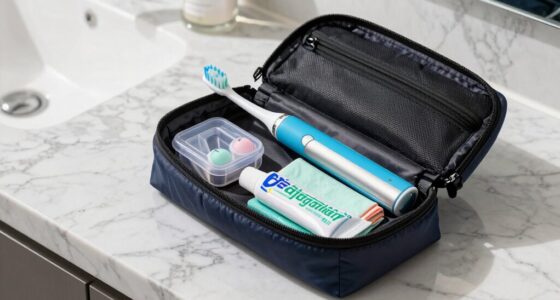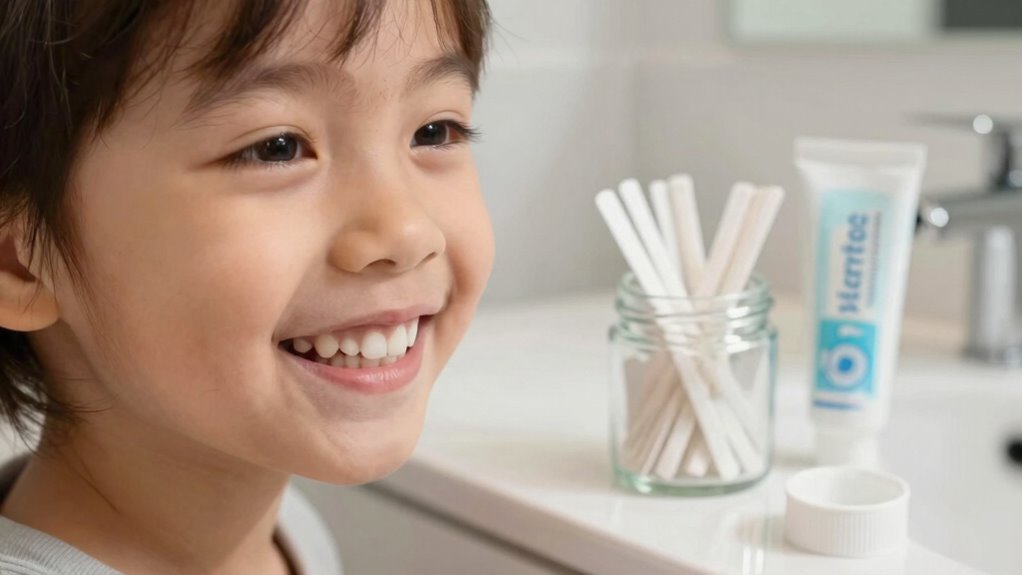

Before letting your kids try whitening products, make sure they’re safe and specifically formulated for children’s delicate teeth. Teen teeth are still developing and have softer enamel, making harsh chemicals risky. Over-the-counter options often contain strong ingredients unsuitable for kids, and improper use can cause damage, sensitivity, or irritation. It’s best to consult a dentist to assess if whitening is necessary and choose age-appropriate options. Keep learning more about safe practices to protect your child’s oral health.

Turn the school run and nap time into listening time
- Thousands of audiobooks, podcasts and originals
- Listen on your phone, tablet or Echo — also offline
- Cancel anytime
Key Takeaways
- Consult a dentist to determine if whitening is appropriate for your child’s age and dental health.
- Use only age-appropriate, professionally recommended whitening products to prevent enamel damage.
- Avoid over-the-counter whitening kits unless advised by a dental professional.
- Be aware of potential risks like sensitivity, gum irritation, and enamel erosion from unregulated products.
- Prioritize overall dental health through routine brushing, flossing, and regular dental checkups over cosmetic whitening.
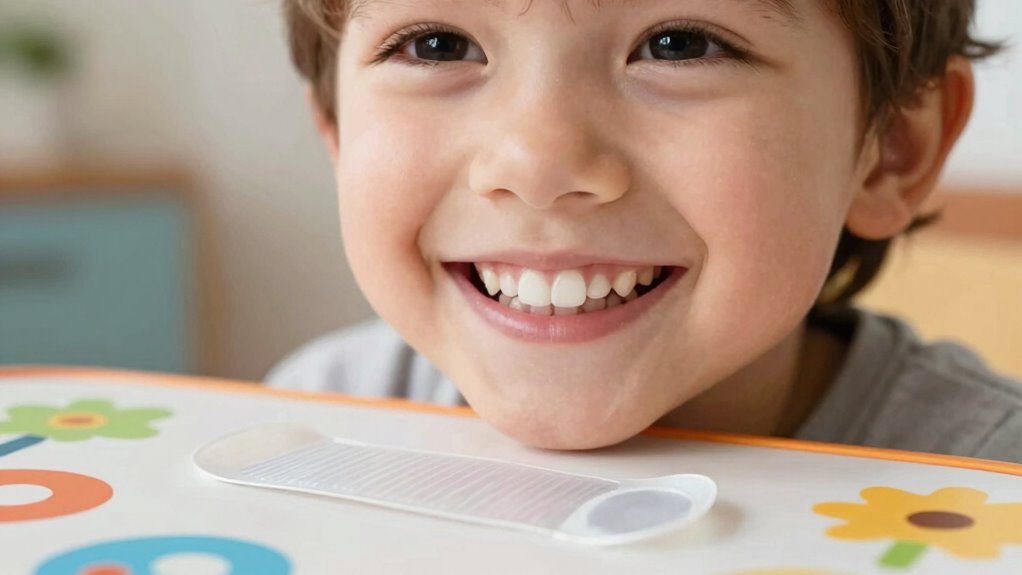
Many parents wonder if whitening products are safe for kids and how they can help improve their smile. It’s natural to want your child to feel confident about their appearance, but before you consider using whitening products, it’s essential to understand the implications for their dental health and the importance of product safety. Kids’ teeth are still developing, and their enamel is more sensitive than adult enamel, making them more vulnerable to damage from certain whitening agents. Many over-the-counter products contain strong chemicals that might cause irritation, increased sensitivity, or even long-term harm if used improperly. That’s why you should be cautious and prioritize your child’s dental health above all.
When it comes to product safety, not all whitening products are created equal. Some are specifically designed for adults and contain higher concentrations of bleaching agents like hydrogen peroxide or carbamide peroxide, which can be too harsh for children’s delicate teeth. Kids’ teeth require gentler formulations, and dental professionals often recommend avoiding over-the-counter whitening kits altogether unless advised by a dentist. It’s best to consult your child’s dentist before trying any whitening method, as they can assess whether it’s appropriate based on your child’s age, dental health, and the cause of discoloration. Using unsafe or unapproved products can lead to irreversible damage to the enamel, increased sensitivity, or even gum irritation. Proper dental product regulation is crucial to ensure safety and effectiveness, especially for children. Being aware of product safety standards can help you make informed choices about dental care products for your child. Additionally, understanding the long-term effects of whitening agents can help you evaluate whether a treatment is truly beneficial in the long run. Furthermore, knowing about dental health risks associated with unverified products can aid in making safer decisions.
You also need to be aware of the potential risks associated with whitening products—especially those that aren’t approved by dental associations or regulatory bodies. Many products marketed for kids lack clinical testing or proper safety data, so they might do more harm than good. Your child’s dental health should always come first, and any cosmetic treatment should be approached with caution. Remember, a healthy, well-maintained smile through regular brushing, flossing, and routine dental checkups is far more beneficial than quick fixes that could jeopardize your child’s oral health. Additionally, understanding the importance of biodiversity and safe practices in dental care can help promote a balanced approach to health and well-being.
children's safe teeth whitening products
As an affiliate, we earn on qualifying purchases.
As an affiliate, we earn on qualifying purchases.
Frequently Asked Questions
Are There Any Natural Whitening Alternatives for Kids?
Yes, there are natural whitening alternatives for kids. You can try natural remedies like brushing with baking soda occasionally, but do so cautiously and sparingly. Dietary adjustments are also helpful; serve crunchy fruits and vegetables like apples and carrots that naturally scrub teeth and promote oral health. Always consult a dentist before trying any whitening method on children to guarantee safety and appropriateness for their age.
How Often Should Kids Use Whitening Products?
You should limit kids’ use of whitening products to guarantee children’s oral health and maintain whitening safety. Typically, it’s best to use these products only once or twice a year under dental supervision. Overuse can damage their sensitive teeth and gums. Always consult a dentist before using any whitening treatments, and prioritize natural or professional options that are safer for kids. Regular brushing and good oral hygiene are the best ways to keep their smiles bright.
Can Whitening Products Cause Allergic Reactions in Children?
Imagine a gentle breeze brushing against your child’s sensitive skin—that’s how whitening products can affect their delicate oral tissues. Yes, whitening products can cause allergic reactions in children, impacting their oral health. Their mouths are more vulnerable, making whitening safety essential. Watch for signs like swelling or irritation. Always consult a dentist first to guarantee your child’s oral health stays protected while exploring whitening options.
Are There Age Restrictions for Kids Using Whitening Products?
Yes, there are age restrictions for kids using whitening products, mainly to guarantee pediatric dental safety and protect children’s oral health. Typically, dental professionals recommend avoiding whitening treatments for children under 12 because their teeth and gums are still developing. You should consult with a pediatric dentist before trying any whitening products to ensure they’re safe and appropriate for your child’s age, preventing potential harm.
What Should Parents Do if Their Child Experiences Tooth Sensitivity?
If your child experiences tooth sensitivity, you should first review their toothpaste ingredients, opting for a gentle, desensitizing toothpaste. Encourage them to improve their oral hygiene habits by brushing softly and avoiding irritants like sugary or acidic foods. If sensitivity persists, consult your dentist promptly. They can evaluate your child’s oral health and recommend appropriate treatments or toothpaste options to help reduce discomfort and protect their teeth.
Conclusion
Before you let your kids use whitening products, remember that their smiles are still in the making, like a garden that needs careful tending. Always consult a dentist and choose safe options to protect their delicate teeth. Think of whitening products as a spice—used wisely, they enhance, but overuse can spoil the dish. Keeping their dental health a top priority guarantees their smiles stay bright and healthy, shining like stars in the night sky.
Columbus Day / Indigenous Peoples' Day Picks
long weekend sales
As an affiliate, we earn on qualifying purchases.