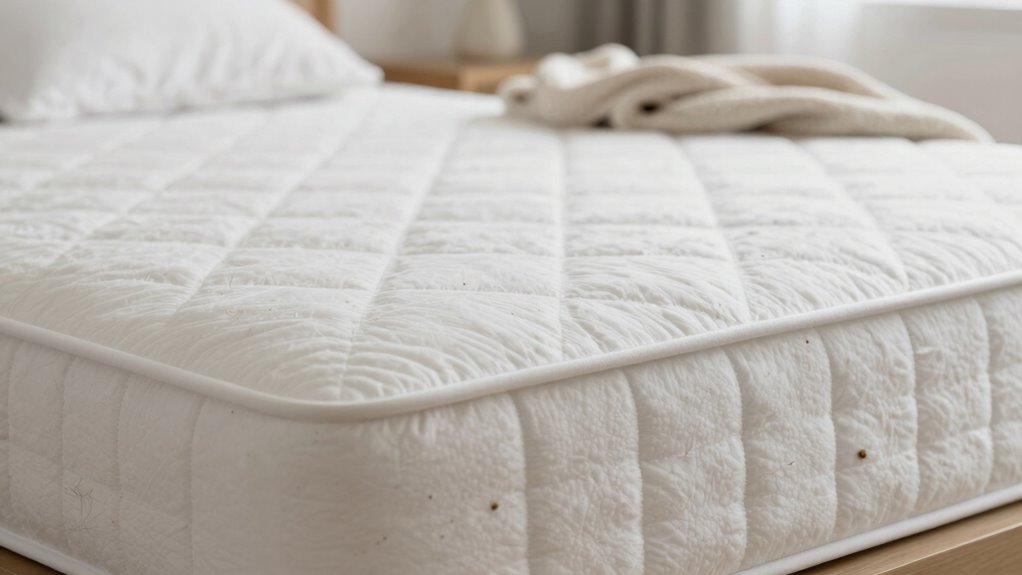

The biggest mistake you can make is using a mattress that isn’t allergen-proof or neglecting regular cleaning and protective covers. Dust mites thrive in unprotected, poorly maintained bedding, making allergy symptoms worse at night. Avoid skipping hot water washes and never forget to keep your environment dry and clutter-free. If you want to improve your sleep quality and reduce allergies, there’s more you should know about proper allergen control strategies.

Turn the school run and nap time into listening time
- Thousands of audiobooks, podcasts and originals
- Listen on your phone, tablet or Echo — also offline
- Cancel anytime
Key Takeaways
- Using non-hypoallergenic or poorly sealed mattresses allows dust mites and allergens to accumulate.
- Skipping regular washing of bedding in hot water enables dust mites to thrive.
- Failing to use allergen-proof covers on pillows and mattresses increases allergen exposure.
- Maintaining high humidity levels encourages dust mite survival, worsening allergy symptoms.
- Neglecting routine cleaning and mattress inspection can lead to unnoticed allergen buildup.
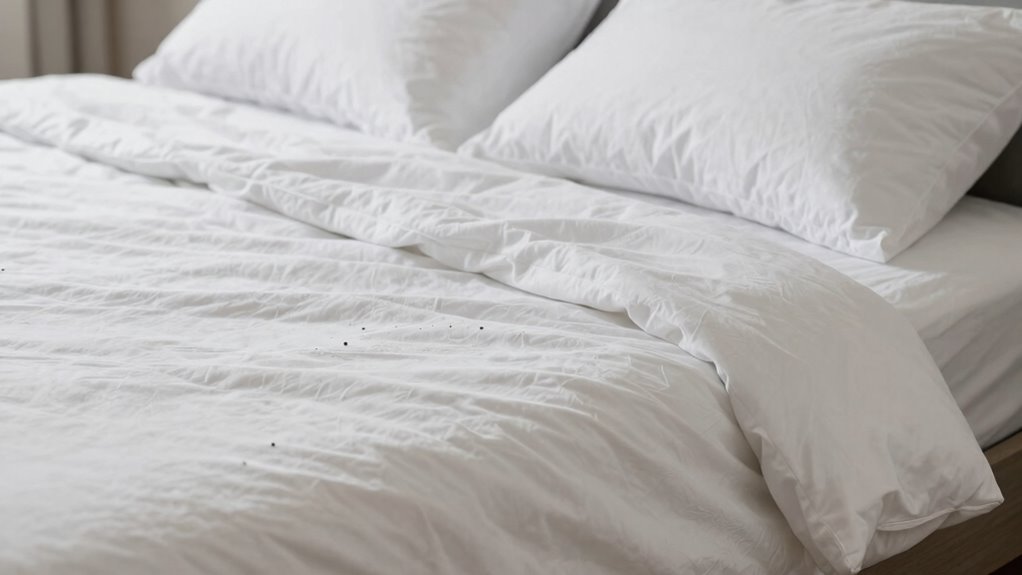
One of the most effective strategies is investing in hypoallergenic bedding. Hypoallergenic bedding is specially designed to resist dust mites and other allergens, creating a barrier that prevents these tiny pests from settling into your sleeping space. Look for covers made from tightly woven fabrics that keep dust mites out, and ensure your pillows and mattresses are encased in allergen-proof covers. These coverings are easy to slip on and can make a big difference in reducing allergen exposure. Regularly washing your bedding in hot water—at least 130°F—destroys dust mites and their eggs, further minimizing their presence. Incorporate hypoallergenic pillow and mattress protectors into your routine, and change sheets weekly to keep your bedding fresh and less inviting for dust mites.
Beyond using hypoallergenic bedding, maintaining a clean sleeping environment supports dust mite prevention. Use a vacuum cleaner with a HEPA filter on your mattress and surrounding areas to remove accumulated dust and skin flakes. Keep humidity levels in your bedroom below 50%, since dust mites thrive in humid conditions. Using a dehumidifier can help regulate moisture, making your space less hospitable to these allergens. Additionally, avoid clutter around your bed, as it can trap dust and make cleaning more difficult. Keep your bedding and mattress clean, dry, and covered to create an environment that discourages dust mite populations from taking hold. Regularly inspecting your mattress for signs of dust mites and being aware of common allergy triggers can further improve your chances of creating a healthier sleep environment. Incorporating bedding maintenance routines can significantly reduce allergen buildup over time.
Consistent cleaning routines and proper protective measures are essential for long-term allergen control. Incorporating these practices into your nightly routine can *greatly* minimize allergen exposure and improve your sleep. The key is consistency—regularly using dust mite prevention techniques and hypoallergenic bedding helps break the cycle and reduces allergy symptoms. Small changes, like washing bedding weekly and maintaining a dry, clean environment, can make a noticeable difference. Your mattress doesn’t have to be a source of allergy aggravation; with proper care and protective measures, you can enjoy nights free from allergy discomfort and breathe easier each morning.
hypoallergenic mattress protector
As an affiliate, we earn on qualifying purchases.
As an affiliate, we earn on qualifying purchases.
Frequently Asked Questions
How Often Should I Replace My Allergy-Prone Mattress?
You should replace your allergy-prone mattress every 7 to 10 years. A mattress’s lifespan impacts how well it controls allergy triggers, as dust mites and mold can accumulate over time. If you notice increased allergy symptoms, it’s a sign to upgrade sooner. Regularly cleaning your mattress helps, but replacing it at the right interval guarantees you minimize allergy triggers and enjoy a healthier, allergy-free night’s sleep.
Can Specific Mattress Types Worsen Allergy Symptoms More Than Others?
Memory foam and latex mattresses can worsen allergy symptoms more than others. Memory foam traps dust mites and allergens deep inside, while latex can provoke allergic reactions in sensitive sleepers. You might find these mattresses trap irritants, intensifying allergies and irritating your nights. To breathe easier, consider hypoallergenic options, choose breathable materials, and regularly clean your bedding. Being mindful of mattress types can make allergy nights less miserable and more manageable.
Are There Allergy-Proof Mattress Covers That Actually Work?
Yes, allergy-proof mattress covers can work if they’re designed to block dust mites and are free from harmful chemical treatments. Look for covers with tightly woven fabrics labeled allergen-proof or dust mite-proof. Avoid chemical treatments, as they can trigger allergies. Regularly washing the cover in hot water and choosing breathable materials will enhance effectiveness, helping you sleep better and breathe easier during allergy season.
What’s the Best Way to Clean My Mattress for Allergies?
To keep allergy nights comfortable, you should regularly vacuum your mattress with a HEPA filter to remove dust mites and their allergens. Wash bedding weekly in hot water and avoid chemical treatments that can irritate sensitive skin. Consider using allergen-proof covers, and air out your mattress regularly to reduce trapped dust. These simple steps help minimize allergens, making your sleep environment healthier and more restful.
Do Hypoallergenic Mattresses Really Reduce Allergy Symptoms?
Hypoallergenic mattresses can reduce allergy symptoms, but their effectiveness depends on the mattress material and your sensitivities. While hypoallergenic claims suggest fewer allergens, mattress material differences—like memory foam or latex—play a significant role. You should look for mattresses with tightly woven covers and resistant materials. Ultimately, a hypoallergenic mattress combined with regular cleaning and allergen-proof covers will offer the best relief for allergy sufferers.
Conclusion
Don’t disregard your duvet dilemma or dismiss your damp dilemma. Ditch dusty, dirty mattresses and embrace clean, comfortable covers. By banishing bedding blunders, you boost your bedtime bliss and banish bothersome allergies. Remember, a fresh mattress leads to a fresher, more restful night. So, make the move, master your mattress, and maximize your midnight moments. Your allergy-ridden nights will thank you, and your mornings will finally feel more manageable and marvelous. Make the change, and reclaim restful, allergy-free sleep.
Halloween Picks
halloween
As an affiliate, we earn on qualifying purchases.