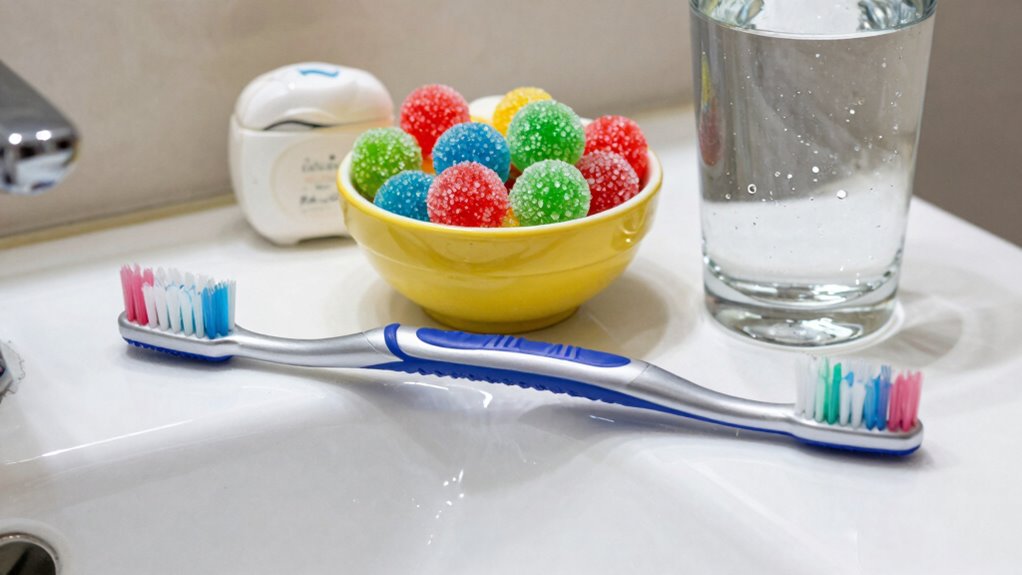

Just because a product is labeled sugar-free doesn’t mean it’s tooth-friendly. Many of these products contain acids like citric or malic acid that can erode enamel with frequent consumption. They may also disrupt your mouth’s natural bacteria, leading to issues like bad breath or plaque. Some sugar substitutes can cause sensitivities or affect your oral flora. To understand how these effects happen and how to protect your teeth, keep exploring this important topic.

Turn the school run and nap time into listening time
- Thousands of audiobooks, podcasts and originals
- Listen on your phone, tablet or Echo — also offline
- Cancel anytime
Key Takeaways
- Acidic ingredients in sugar-free products can erode enamel despite lacking sugar.
- Artificial sweeteners may disrupt the balance of oral bacteria, leading to oral health issues.
- Excessive intake of sugar alcohols can cause gastrointestinal discomfort and impact oral health.
- Frequent consumption of acidic, sugar-free foods increases the risk of dental erosion and decay.
- Proper oral hygiene and ingredient awareness are essential, as sugar-free doesn’t guarantee tooth safety.
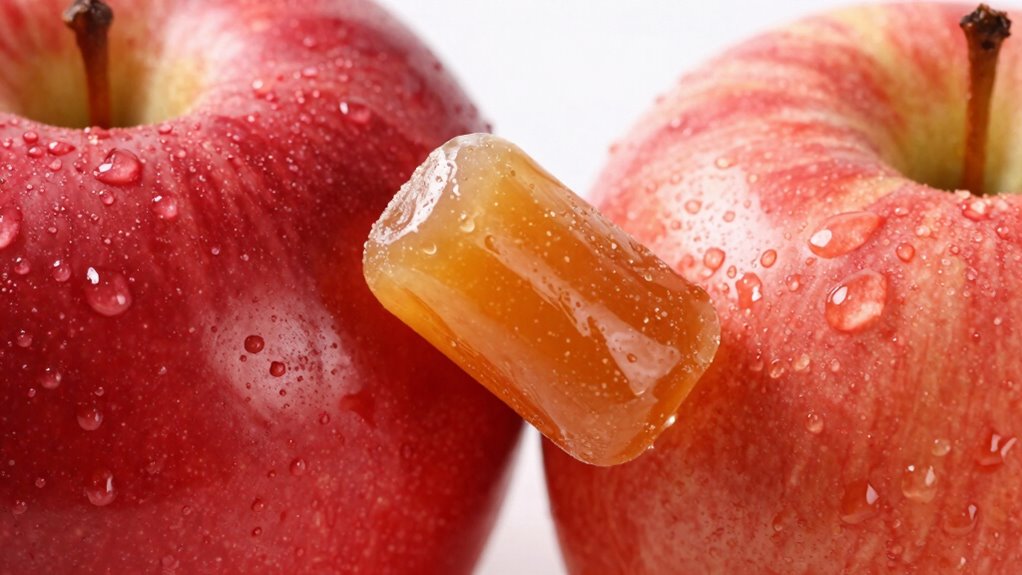
Many people turn to sugar-free products to protect their teeth, but it’s important to understand how these alternatives impact oral health. While choosing sugar-free gum or mints can seem like a smart move to avoid cavities, they can still influence your mouth in unexpected ways. One concern is dental erosion, which occurs when acids wear down your tooth enamel. Some sugar substitutes, like certain acids used to sweeten products, can contribute to this erosion if consumed excessively or if your mouth’s pH balance is already compromised. This erosion weakens your enamel, making your teeth more sensitive and prone to decay over time.
Sugar-free products can still cause dental erosion and enamel damage if consumed excessively.
Another factor to consider is the effect on your oral microbiome—the community of bacteria that naturally live in your mouth. The oral microbiome plays a vital role in maintaining oral health by balancing good and bad bacteria. When you consume sugar-free products containing artificial sweeteners or acidifiers, you might unintentionally disrupt this delicate balance. Some sweeteners can inhibit the growth of beneficial bacteria, while others may encourage the proliferation of harmful strains. This imbalance can lead to issues like bad breath, increased plaque buildup, or even more serious conditions like gum disease.
Despite being labeled “sugar-free,” many products still contain ingredients that can affect your teeth negatively. For example, certain sugar alcohols used as sweeteners, like sorbitol and xylitol, are generally considered safer and may even promote oral health by reducing cavity-causing bacteria. However, consuming large amounts of these can cause gastrointestinal discomfort, and their impact on dental erosion depends on their acidity and how long they stay in contact with your teeth. Additionally, research shows that frequent exposure to acidic ingredients in sugar-free products can contribute to enamel erosion over time. It’s also important to note that preservatives found in some of these products may influence oral flora, further complicating your oral health.
It’s also worth noting that some sugar-free products contain acids such as citric acid or malic acid, which give them a tangy taste. These acids can erode enamel if you frequently consume such items without rinsing or waiting afterward to neutralize their effects. Understanding the acidity levels in these products can help you better protect your teeth. Moreover, increased awareness of the ingredients in your favorite treats allows you to make more informed choices and reduce potential harm. In addition, staying informed about labelling practices can help you identify hidden acids and harmful additives. Over time, this can lead to increased dental erosion, making your teeth more vulnerable to decay and sensitivity.
In the end, choosing sugar-free isn’t a guarantee of tooth safety. You need to be mindful of the ingredients and how often you indulge in these products. Maintaining good oral hygiene, drinking plenty of water, and visiting your dentist regularly are essential steps to protect your teeth and preserve the healthy balance of your oral microbiome. Understanding the complex effects of sugar-free alternatives helps you make smarter choices for long-term oral health.
As an affiliate, we earn on qualifying purchases.
Frequently Asked Questions
Are All Sugar Substitutes Equally Safe for Teeth?
Not all sugar substitutes are equally safe for your teeth. Some, like xylitol, promote oral health and reduce cavity risk, while others may not offer the same benefits. Flavor retention plays a role, as it influences consumer preferences and the perceived taste of sugar-free products. It is crucial to select substitutes that not only satisfy your taste buds but also support your dental health, ensuring you enjoy your treats without risking your teeth.
Can Sugar-Free Gum Cause Dental Erosion?
Yes, sugar-free gum can cause dental erosion, especially if it contains acidic flavorings or sweeteners. The acidic effects can wear down your enamel over time, making your teeth more vulnerable. While chewing sugar-free gum boosts saliva production and helps clean teeth, frequent exposure to acids can ironically lead to erosion. Be mindful of the ingredients, and choose gums with neutral pH levels to protect your smile.
Do Artificial Sweeteners Promote Plaque Buildup?
Artificial sweeteners themselves don’t directly promote plaque buildup, but they can contribute indirectly. When you consume products with artificial sweeteners, plaque formation may increase if proper oral hygiene isn’t maintained. This buildup can hinder tooth mineralization, weakening your teeth over time. To keep your teeth healthy, brush regularly, floss, and visit your dentist. Good oral hygiene helps prevent plaque accumulation, supporting proper tooth mineralization and overall dental health.
Are Natural Sugar Substitutes Better for Teeth Than Artificial Ones?
You might be surprised to learn that natural sugar substitutes can be better for your teeth than artificial ones, especially since they often preserve natural sweetness and flavor better. Studies show natural options like stevia and xylitol don’t promote plaque buildup as much as artificial sweeteners do. By choosing natural substitutes, you can enjoy sweet treats without risking your dental health, making your smile healthier and happier.
How Does Saliva React to Sugar-Free Products?
When you consume sugar-free products, your saliva reacts by maintaining its pH balance, often staying more neutral than with sugary foods. This helps protect your teeth by promoting enamel remineralization, which repairs and strengthens tooth surfaces. However, some artificial sweeteners can still cause a slight drop in saliva pH, so it’s important to practice good oral hygiene. Overall, saliva’s response to sugar-free products generally supports your dental health, but vigilance remains key.
Conclusion
So, next time you pick up that sugar-free gum or candy, remember: it might seem like a shield for your smile, but it’s not a guarantee. Picture your teeth as a delicate garden—sugar-free treats can still leave behind a silent, stubborn residue, like a shadow lurking after sunset. Be mindful and brush well; only then can your smile truly shine, bright and protected against hidden threats lurking beneath the surface.
Columbus Day / Indigenous Peoples' Day Picks
long weekend sales
As an affiliate, we earn on qualifying purchases.