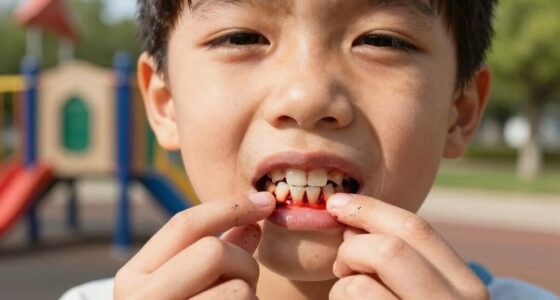

If your child is still thumb sucking past kindergarten, it’s important to understand the potential impacts on their dental health, like misaligned teeth or bite issues. This habit may also serve as a comfort mechanism during stress, so addressing emotional needs is key. Socially, it could cause embarrassment or teasing, so gentle support is essential. Strategies like gradual reduction and consulting a dentist can help, but balancing physical and emotional needs is vital. Keep exploring to learn more effective ways to help your child.

Turn the school run and nap time into listening time
- Thousands of audiobooks, podcasts and originals
- Listen on your phone, tablet or Echo — also offline
- Cancel anytime
Key Takeaways
- Prolonged thumb sucking can lead to dental misalignment and bite issues if not addressed early.
- It often serves as a comfort mechanism, so gentle, supportive strategies are more effective than punishment.
- Socially, persistent thumb sucking may cause teasing or embarrassment, impacting a child’s confidence.
- Gradual reduction and consulting a pediatric dentist can help manage the habit effectively.
- Addressing emotional needs is crucial; understanding the habit’s emotional roots fosters better intervention.

Many parents assume that thumb sucking naturally stops by the time children start kindergarten, but for some kids, the habit persists beyond that age. If your child is still sucking their thumb at this stage, it’s important to understand the potential effects on their dental health and emotional well-being. While thumb sucking is a common comfort mechanism, prolonged habits can cause changes in the mouth’s structure, such as misaligned teeth or bite issues. You might notice gaps, overbites, or other irregularities that could require orthodontic intervention later on. Addressing these concerns early, with the help of a dentist, can prevent more complex dental problems down the line. It’s not just about teeth, though; the habit can also influence your child’s emotional development. Some children may latch onto thumb sucking as a way to soothe themselves during stressful or unfamiliar situations, and forcing them to stop abruptly can create feelings of frustration or insecurity. Recognizing the emotional component is *essential*. Instead of punishment or negative reinforcement, gently encouraging your child to find alternative ways to cope with anxiety or boredom can be more effective. Offering comfort objects, engaging in calming activities, or talking through their feelings can provide similar reassurance without the dental risks. Understanding that thumb sucking can be linked to emotional needs helps in approaching the habit with empathy and patience. You should also consider the social implications. If your child’s thumb sucking is noticeable to peers, it might affect their confidence or lead to teasing, which can further impact their emotional health. Having open conversations and offering reassurance can help your child feel supported rather than ashamed. Remember, habits like thumb sucking are often deeply rooted in emotional needs, and tackling them requires patience. You don’t need to force immediate cessation, but you can gradually introduce positive reinforcement, praising your child when they go without sucking their thumb for periods of time. Consulting with a pediatric dentist can give you tailored strategies for both managing the habit and monitoring dental development. They might suggest physical barriers or specific routines to help break the habit gradually. It’s also helpful to be aware of the biodiversity of developmental habits and how they serve as coping mechanisms in children, which can influence how you approach intervention. Recognizing the emotional connection behind thumb sucking can help you approach solutions with greater sensitivity and understanding. Supporting your child’s overall development by understanding these behavioral patterns can lead to more effective and compassionate strategies. Additionally, understanding the neurological aspects of habits can help you appreciate why some children find it harder to break certain behaviors. Ultimately, understanding the interplay between dental health and emotional impact helps you approach thumb sucking with empathy and practicality. By addressing both aspects, you support your child’s physical comfort and emotional security, guiding them toward healthier habits without causing unnecessary stress or shame. It’s a delicate balance, but with patience and understanding, you can help your child overcome this habit while safeguarding their well-being.
As an affiliate, we earn on qualifying purchases.
Frequently Asked Questions
Can Thumb Sucking Cause Speech Delays?
Thumb sucking can cause speech delays if it continues past the age of five, as it may interfere with proper oral development. Your child’s oral habits might impact the alignment of teeth and the positioning of the tongue, which can affect speech clarity. If you notice persistent thumb sucking, it’s important to address it early to minimize developmental impact. Consulting a pediatrician or speech therapist can help guide effective strategies.
When Should I Seek Professional Help for Thumb Sucking?
If thumb sucking persists past kindergarten and causes dental or speech issues, it’s time to seek professional help. Don’t wait until it becomes a thorn in your side. A specialist can assess if behavioral interventions are needed or if emotional triggers contribute to the habit. Early intervention can prevent future problems, giving your child a healthier smile and better speech development. Trust your instincts and consult a professional when concerns arise.
Are There Specific Thumb Sucking Habits That Are More Harmful?
Yes, certain thumb sucking habits can be more harmful. If your child’s habit lasts beyond age five, impacts their thumb size, or causes teeth misalignment, it’s a concern. Prolonged habit duration can lead to dental issues, especially if they frequently suck their thumb during sleep or when anxious. Watching for these signs helps determine when to seek professional advice, ensuring their oral health stays on track.
How Does Thumb Sucking Affect Dental Development Long-Term?
Ever wondered how thumb sucking impacts your child’s dental growth long-term? It can cause misaligned teeth and bite issues, which might require orthodontic treatment later. But beyond the physical, ask yourself, what about the psychological impact and social consequences? Persistent thumb sucking could affect your child’s self-esteem and social interactions, especially if peers notice. Addressing this habit early helps prevent these dental and emotional challenges, promoting healthier development.
What Are Effective Strategies to Stop Thumb Sucking After Kindergarten?
To stop thumb sucking after kindergarten, you can use behavior modification techniques like positive reinforcement, rewarding your child when they avoid sucking their thumb. Consistent rules and gentle reminders work well, and pediatric counseling can provide additional support if needed. Encourage your child’s efforts, offer praise, and consider creating a backup plan, like a stress ball or fidget toy, to help manage the habit comfortably and effectively.
Conclusion
Understanding the impact of thumb sucking beyond kindergarten helps you support your child’s dental health and confidence. While it’s common for kids to continue, it’s also important to gently encourage habits that promote healthy development. Are you ready to help your child break free from thumb sucking, or will you wait until it causes more issues? With patience and guidance, you can help your child develop healthier habits that last a lifetime.
Halloween Picks
halloween
As an affiliate, we earn on qualifying purchases.