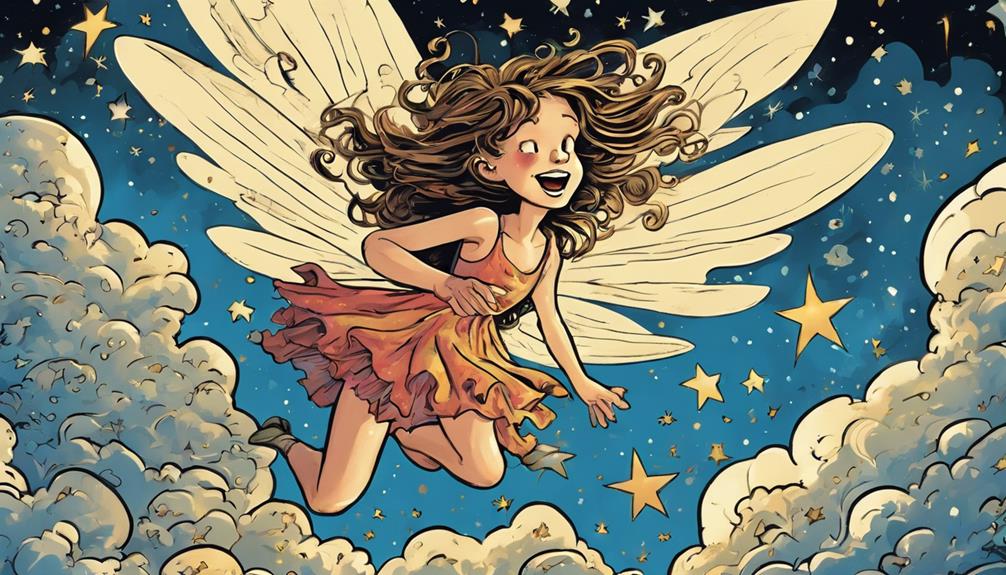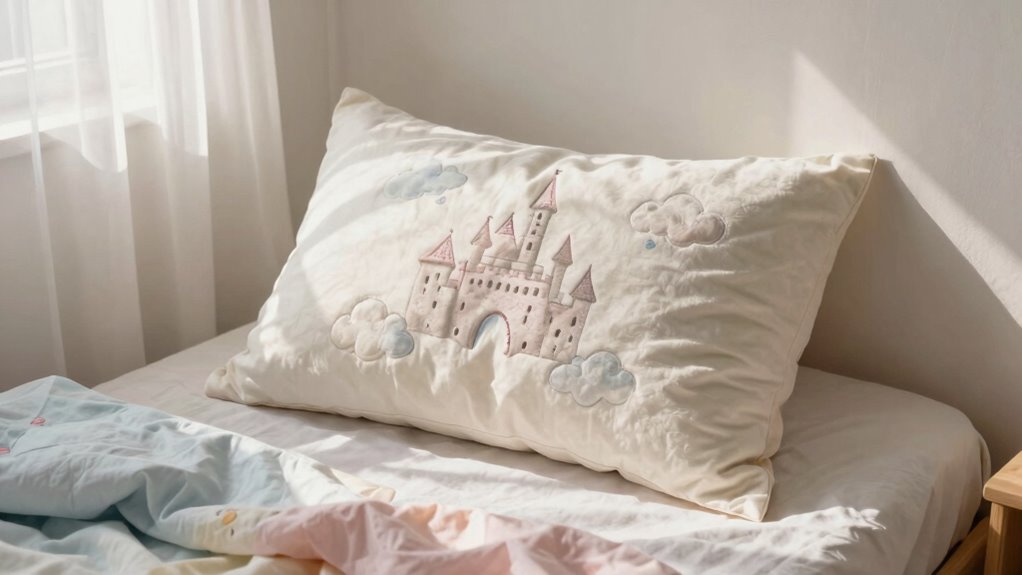

The pillow tradition shows that as a child, you naturally see ordinary objects as gateways to your inner world. You might imagine pillows as treasure chests, magic clouds, or brave friends, turning everyday items into stories and adventures. This playful process reflects your imagination’s power to explore dreams, fears, and hopes. By observing how children interact with pillows, you can see how they creatively navigate their feelings and perceptions—there’s much more to discover if you keep exploring.

Turn the school run and nap time into listening time
- Thousands of audiobooks, podcasts and originals
- Listen on your phone, tablet or Echo — also offline
- Cancel anytime
Key Takeaways
- Pillows serve as imaginative props, representing dreams, treasures, or magical companions, reflecting children’s creative inner worlds.
- Interaction with pillows reveals how children blend reality and fantasy, offering insight into their emotional states.
- Storytelling involving pillows fosters imagination and helps children process fears, hopes, and desires emotionally.
- Cultural practices around pillows symbolize emotional security and traditional rituals, shaping children’s imaginative play.
- Pillows as tools for exploration encourage the development of an inner language and vibrant inner life in children.
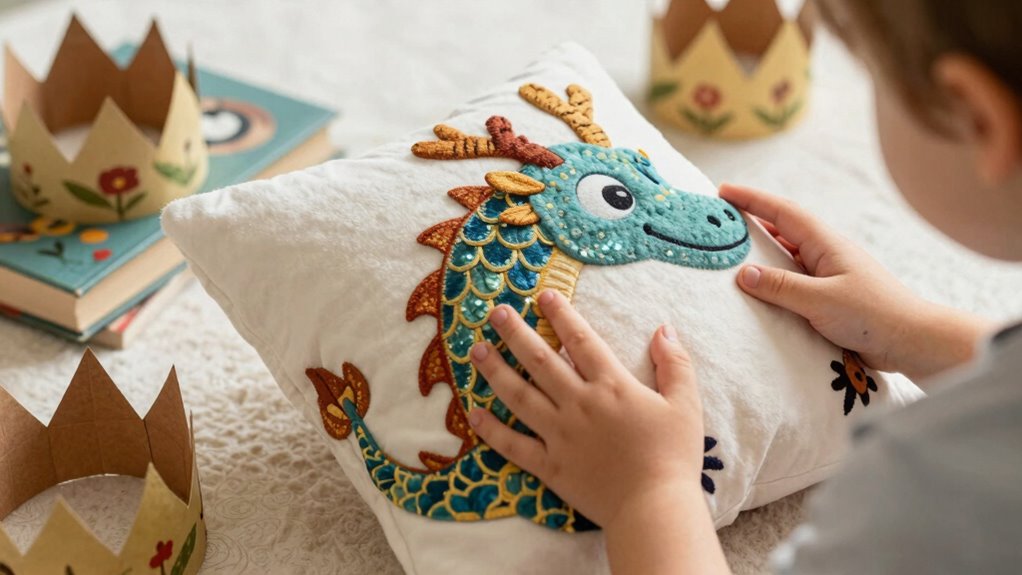
Have you ever noticed how a simple pillow can spark a world of childhood imagination? It’s more than just a soft surface you rest your head on; it’s a canvas for dreams, stories, and endless creativity. The pillow tradition, often rooted in family rituals or cultural practices, reveals a lot about how children process their inner worlds. When you observe children clutching their pillows or using them as props, you see their way of blending reality with fantasy. These small objects become symbols of comfort and gateways into their inner landscapes, where dream analysis and childhood storytelling intertwine.
A pillow is more than comfort—it’s a gateway to childhood dreams, stories, and boundless imagination.
As you watch a child fall asleep with a pillow tucked under their arm, think about what their dreams might be telling them. Dreams are a natural extension of childhood storytelling, where the pillow acts as a silent participant in their nightly narratives. They might imagine their pillow as a treasure chest, a magic cloud, or a brave companion on adventures. This imaginative play during sleep isn’t random; it’s a reflection of their subconscious, where their mind sorts through fears, hopes, and fantasies. By paying attention to how children interact with their pillows, you gain insight into their evolving inner worlds. It’s like reading a storybook written in their dreams, filled with symbols and themes that help them understand themselves better.
The pillow tradition also highlights how children use storytelling to make sense of their experiences. When kids create stories around their pillows—whether it’s a pillow fort or a pillow that transforms into a character—they’re engaging in a form of childhood storytelling that fosters imagination and emotional development. These stories often mirror their real-life experiences, fears, or desires, and help them process feelings they might not yet fully understand. Recognizing the role of symbolism in these objects can deepen our understanding of their emotional worlds. Additionally, understanding how children interpret objects through cultural practices can enhance our appreciation of their imaginative processes. Exploring childhood imagination can reveal how children creatively navigate their feelings and perceptions. Furthermore, the way children assign meaning to these objects reflects their natural tendency to use symbolic play as a means of emotional expression and growth.
In essence, the pillow tradition shows that childhood imagination is deeply rooted in the way children interpret their world through stories and dreams. It’s a powerful reminder that even the simplest objects can serve as tools for exploration and understanding. When you recognize the significance of this tradition, you see how it encourages children to develop their inner language, blending dream analysis with childhood storytelling. That soft pillow isn’t just a place to rest; it’s a symbol of their vibrant inner life, where imagination and emotion come alive every night.
Products Worth Considering

LEVOIT Vital 200S-P Smart Air Purifier for Large Rooms up to 1875 sq ft

BowFlex Results Series SelectTech Dumbbells (Pair)

BowFlex Results Series 552 SelectTech Adjustable Dumbbell
As an affiliate, we earn on qualifying purchases.
Frequently Asked Questions
How Did the Pillow Tradition Originate Historically?
The pillow tradition originated from ancient beliefs that pillows could ward off evil spirits or protect sleepers. Historically, various cultures developed unique practices—like placing objects under pillows or using specific pillow shapes—to promote good dreams or ward off nightmares. These customs have cultural variations; for example, some cultures believed pillows could carry messages to spirits. Over time, this tradition evolved into a childhood ritual, symbolizing imagination and protection.
Are Pillow Traditions Different Across Cultures?
You’ll find pillow traditions vary widely across cultures, like regional practices that shape childhood experiences. For example, in Japan, children participate in “pillow fights” during festivals, symbolizing courage, while in some African cultures, decorated pillows are part of rites of passage. These cultural variations highlight how different societies embed unique meanings and customs into pillow-related activities, reflecting their values and nurturing childhood imagination in diverse, colorful ways.
What Psychological Benefits Does the Pillow Tradition Offer Children?
You can see that the pillow tradition offers children psychological benefits like emotional comfort and insight into dream symbolism. By engaging in this ritual, you help children process feelings and fears, fostering emotional resilience. The tradition encourages imaginative storytelling, which enhances their understanding of dream symbolism and personal experiences. This nurturing activity creates a safe space for children to explore their emotions, boosting confidence and emotional well-being.
Can Pillow Traditions Influence Adult Creativity?
Yes, pillow traditions can influence your adult creativity by fostering dream symbolism and encouraging creative storytelling. When you engage in these rituals, you open your mind to subconscious images and narratives, sparking inspiration. This practice helps you connect with childhood imagination, nurturing your ability to craft vivid stories and interpret dreams with deeper insight. Over time, it enhances your creative thinking and enriches your artistic expression.
How Can Parents Incorporate Pillow Traditions Into Daily Routines?
You can incorporate pillow traditions into daily routines by establishing sleep rituals that include storytelling and imaginative games. Before bed, tell creative bedtime stories or encourage your child to share their own tales, making pillow time a special, imaginative experience. This fosters childhood imagination, strengthens your bond, and creates a comforting routine. Consistently blending these activities into nightly rituals helps your child view bedtime as a fun, inspiring part of the day.
Conclusion
As you lay your head on that pillow, remember it’s more than just a soft surface—it’s a gateway to endless worlds of imagination. Like a magic portal, it invites your dreams to dance and your thoughts to soar beyond the horizon. Embrace this childhood tradition, for within its gentle embrace, your creativity awakens, painting vivid worlds in the quiet night. Sleep peacefully, knowing your imagination is the starry sky waiting to be explored anew.