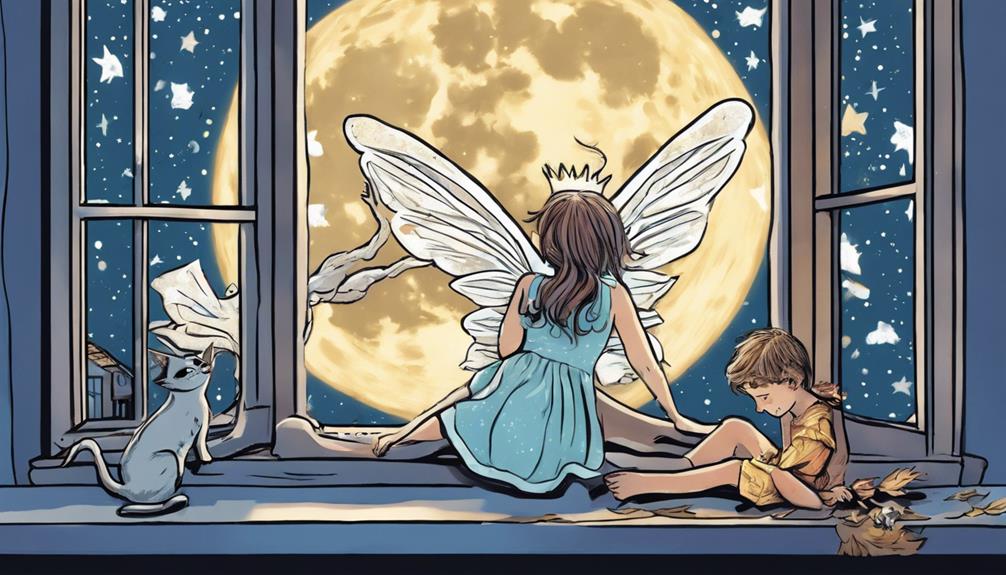
When your child wants to save every lost tooth, gently explain that losing teeth is a natural part of growing up. Encourage creating a special keepsake box or a scrapbook to hold their most favorite teeth as memories rather than saving every single one. Use the tooth fairy tradition to make the experience exciting and positive, helping them see growth as a wonderful milestone. If you want helpful tips on guiding their feelings, keep going.

Turn the school run and nap time into listening time
- Thousands of audiobooks, podcasts and originals
- Listen on your phone, tablet or Echo — also offline
- Cancel anytime
Key Takeaways
- Gently explain that it’s natural to lose some teeth and not all need to be kept.
- Provide a small keepsake box or scrapbook for a few special teeth to balance sentimentality with practicality.
- Emphasize the importance of dental hygiene and regular checkups to maintain healthy teeth.
- Use the tooth fairy tradition to make losing teeth exciting without obsessive collection.
- Teach children about natural growth cycles and the value of patience and acceptance of change.

When your child insists on saving every lost tooth, it can be both adorable and concerning. You might wonder why they’re so enthusiastic to keep these tiny treasures, and it’s natural to feel a mix of amusement and worry. Kids often hear about tooth fairy traditions from friends, stories, or media, which can fuel their desire to preserve each tooth as a keepsake. They might see these teeth as more than just little pieces of their childhood—they become symbols of growing up, milestones, or even tokens of luck. Your role is to gently guide their enthusiasm while ensuring they understand the importance of good dental health routines.
Encouraging your child to view their lost teeth as parts of a healthy growth process helps normalize the experience. Explain that teeth are meant to fall out and be replaced naturally, but also emphasize that caring for their remaining teeth is essential. Reinforce proper brushing and flossing habits, and schedule regular dental checkups. This way, your child learns that while saving teeth is cute, maintaining their dental health is even more significant. You can also use this as an opportunity to teach them about the tooth fairy traditions: that the fairy visits when a tooth is left under the pillow, often leaving a small gift or money in exchange. This tradition can make the experience exciting and motivate them to care for their teeth so they can participate in the ritual.
If your child’s obsession with saving every tooth becomes compulsive or disruptive, it’s worth gently setting boundaries. Explain that while it’s nice to keep a few special teeth, most children choose to let go of the rest, and that’s okay. Suggest making a small keepsake box for their favorite teeth or creating a scrapbook where they can record their dental milestones. This helps them keep a sentimental collection without feeling the need to hold onto every single tooth forever. Understanding biodiversity and the importance of respecting natural processes can also help them appreciate the broader concept of growth and change. Additionally, teaching them about natural growth patterns can foster a healthy perspective on development and change over time. Recognizing and respecting these natural growth cycles can help children develop patience and acceptance as they grow.
Products Worth Considering

Philips Sonicare 5950 Rechargeable Electric Toothbrush with 2 Brush Heads, Pink

Philips Sonicare DiamondClean 9500 Smart Electric Toothbrush with 2 Brush Heads, Black

Oral-B iO Series 9 Limited Rechargeable Electric Toothbrush with 7 Cleaning Modes
As an affiliate, we earn on qualifying purchases.
Frequently Asked Questions
Is It Safe to Keep All the Lost Teeth at Home?
It’s generally safe to keep lost teeth at home for sentimental reasons, like creating childhood memories. However, for proper tooth preservation, you should clean the tooth gently and store it in a container with milk or a saline solution to maintain its integrity if your child wants to keep it as a keepsake. Just make certain you handle the teeth carefully and consult your dentist for guidance on preservation and potential sentimental value.
How Should I Store a Child’s Lost Tooth Temporarily?
A stitch in time saves nine, and proper storage methods are key. To temporarily preserve your child’s lost tooth, rinse it gently with milk or saline solution to guarantee tooth preservation. Place the tooth in a small container with a moist tissue or milk, avoiding water, and keep it in a cool place. This helps protect the tooth until you can visit the dentist, ensuring the best outcome for reattachment or preservation.
Can Saving Teeth Affect My Child’s Dental Health?
Saving your child’s teeth can positively impact their dental health if done properly, as it encourages tooth preservation and keeps the teeth in good condition. However, improper storage or handling might lead to bacterial growth or damage, potentially affecting dental impact. Always guarantee teeth are stored in a sterile, moist environment and consult your dentist for guidance. Proper preservation supports future dental health and can aid in treatments like tooth replantation.
What Should I Do if My Child Loses a Tooth Outside Normal Circumstances?
If your child loses a tooth outside normal circumstances, act quickly to minimize damage and follow tooth fairy traditions to make it a positive experience. Rinse the tooth gently and keep it moist in milk or saliva. Contact your dentist promptly for an assessment, especially if dental trauma prevention is a concern. This guarantees proper care and turns the experience into a memorable event, reinforcing positive dental habits.
Are There Cultural Reasons Behind Saving Lost Teeth?
Like a whisper from ancient tales, cultural beliefs often emphasize tooth preservation as a symbol of luck, strength, or good fortune. Many cultures see lost teeth as sacred, believing preserving them connects children to ancestors or future success. These traditions influence your child’s desire to keep every lost tooth, fostering a sense of reverence and cultural identity. Embracing this practice can deepen family bonds and honor timeless customs.
Conclusion
Think of each lost tooth as a tiny treasure chest, holding memories of your child’s childhood adventures. By respecting their wish to save every one, you’re helping them build a treasure trove of moments and milestones. Just like a wise pirate keeps his treasures safe, you’re guiding your child to cherish their journey. Embrace their collection, and watch as those little treasures become a map of their growing story—full of wonder and memories.