
To explain the differences in how families celebrate the Tooth Fairy, remind children that each family creates their own special traditions based on culture, beliefs, and values. Some families exchange small gifts or money, while others might have different customs like the Tooth Mouse or Tooth Tree. These variations are normal and reflect love and creativity. Showing children these differences helps them appreciate diversity, and if you keep exploring, they’ll discover even more about how families celebrate this special milestone.

Turn the school run and nap time into listening time
- Thousands of audiobooks, podcasts and originals
- Listen on your phone, tablet or Echo — also offline
- Cancel anytime
Key Takeaways
- Emphasize that different families have unique traditions, like the Tooth Fairy, Tooth Mouse, or other cultural stories.
- Explain that these customs are based on cultural history and personal beliefs, making each family’s celebration special.
- Clarify that the Tooth Fairy is a myth meant to add magic and joy, not a real person.
- Encourage curiosity and respect for diverse traditions, highlighting the value behind each family’s customs.
- Reassure children that all traditions are meaningful because they reflect love, creativity, and family values.
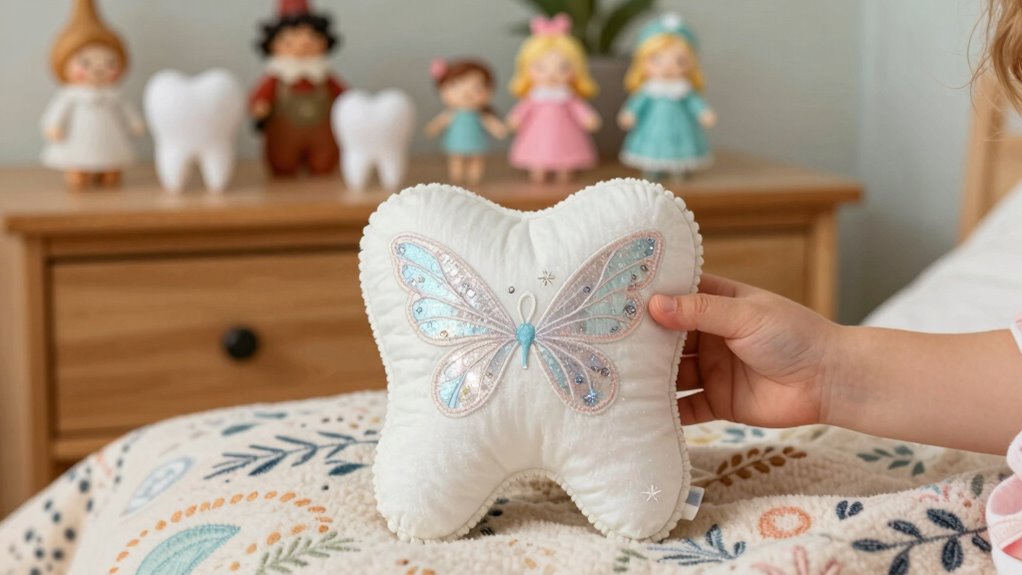
When it comes to explaining why the Tooth Fairy might differ from family to family, it’s important to approach the topic with honesty and sensitivity. Children often hear stories about the Tooth Fairy from friends or media, and they might wonder why their own experience doesn’t match what others have shared. This is where understanding the distinction between myth and reality becomes helpful. The myth of the Tooth Fairy is a charming tradition, but it’s just that—a myth. In reality, families create their own special ways to celebrate tooth loss, shaped by personal beliefs, cultural backgrounds, and family values. By sharing this perspective, you help your child see that different families have unique ways of making this moment magical, and that’s perfectly okay.
Cultural variations play a big role in how families approach the Tooth Fairy tradition. In some cultures, there isn’t a fairy at all; instead, children might exchange their tooth for a small gift, money, or a special token from a family member. Other cultures have different stories, like the Tooth Mouse or the Tooth Tree, which can seem unfamiliar if your child only hears about the fairy from friends. Explaining these differences gently shows your child that traditions aren’t universal—they’re shaped by cultural history and local customs. This helps foster an appreciation for diversity and teaches them to respect different ways of celebrating milestones. Recognizing that cultural differences influence family traditions can help children develop a broader understanding of the world around them. Additionally, discussing the variety of customs can encourage curiosity and an open-minded attitude towards cultural diversity. Emphasizing that these customs are rooted in cultural history can deepen their understanding and appreciation for different practices.
You might find that your child’s curiosity about why their experience is different from friends’ stems from the myth versus reality gap. When you explain that the Tooth Fairy is a fun story, not a real person, you’re helping them understand that the magic isn’t about the literal fairy but about the joy and excitement of growing up. You can emphasize that everyone’s family has its own special way of marking this moment, which makes their experience unique and meaningful. This approach reassures your child that differences are normal and that the true value lies in the love and creativity behind each family’s traditions.
Frequently Asked Questions
Do All Families Believe in the Tooth Fairy?
Not all families believe in the tooth fairy. Some see it as a fun myth, while others prefer myth clarification, explaining it as a tradition or a story. You might find that parent perspectives vary—some embrace the magic, and others choose honesty. It’s important to respect each family’s beliefs and decide what feels right for your child, whether you keep the myth alive or choose to be straightforward.
How Can I Explain Different Tooth Fairy Traditions?
You can explain different tooth fairy traditions by sharing that over 70% of children worldwide believe in some form of a mythical figure. The myth’s origins trace back to ancient myths, while cultural adaptations shape how families celebrate. Emphasize that these traditions vary widely, reflecting each family’s unique beliefs and history. By highlighting these differences, you help your child appreciate the rich diversity of cultural practices surrounding this magical tradition.
What if My Child Compares Tooth Fairy Rewards?
When your child compares tooth fairy rewards, remind them that reward consistency varies due to tradition variations. Explain that families have unique ways of celebrating, and the tooth fairy’s gift can differ. Emphasize the importance of appreciating your family’s tradition and that the gesture is about celebrating their milestone, not the exact value. This helps your child understand that differences are normal and part of the special magic of growing up.
Are There Cultural Variations in Tooth Fairy Stories?
Yes, there are cultural variations in tooth fairy stories, influenced by different cultural folklore and tradition variations around the world. In some places, children might find small gifts or coins, while others might have stories about fairies, elves, or spirits that take teeth. You can share these differences to enrich your child’s understanding of global traditions, making the experience more magical and inclusive, all while respecting your family’s unique customs.
How Do I Address Questions About the Tooth Fairy’s Existence?
When your child questions the tooth fairy’s existence, gently explain that the fairy’s mythical origins are part of a fun tradition meant to celebrate growing up. You can share that fairy credibility varies across families and cultures, making it a special story they can enjoy. Encourage imagination and emphasize the joy of the tradition, rather than focusing on whether the fairy is real, fostering trust and wonder simultaneously.
Conclusion
Remember, every family has its own special way of celebrating, like a secret dance only they know the steps to. When you talk about the Tooth Fairy, gently share that traditions can be different and that’s what makes each story unique. Embrace those differences with kindness and curiosity. After all, the magic isn’t just in the fairy’s visit, but in the love and understanding that make your family’s story truly special.
Fall Picks
fall essentials
As an affiliate, we earn on qualifying purchases.