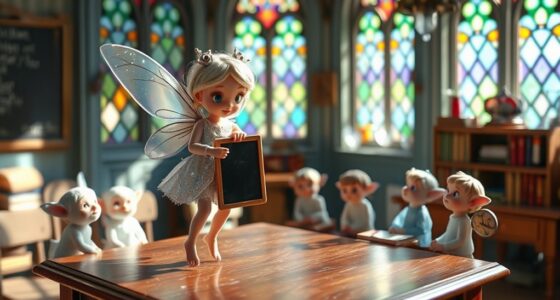
Creating a tooth-losing ritual transforms a simple milestone into a treasured family memory by adding personal touches, fun surprises, and meaningful traditions. When you involve your child in special routines—like leaving notes, small gifts, or decorating a tooth pillow—you make the experience memorable and exciting. These rituals foster positive feelings about dental health, strengthen family bonds, and build lasting memories. If you keep exploring, you’ll discover how to make this event joyful, meaningful, and truly unforgettable.

Turn the school run and nap time into listening time
- Thousands of audiobooks, podcasts and originals
- Listen on your phone, tablet or Echo — also offline
- Cancel anytime
Key Takeaways
- Personalizing the ritual with notes, gifts, or cultural elements makes it memorable and meaningful for the family.
- Consistent traditions and special keepsakes create lasting memories and reinforce emotional bonds.
- Incorporating fun myths and playful activities enhances excitement and positive associations with tooth loss.
- Documenting the event through photos or recordings preserves the milestone as a cherished family memory.
- Turning the ritual into a small celebration fosters joy, pride, and a sense of achievement for the child.
As an affiliate, we earn on qualifying purchases.
Why Creating a Tooth-Losing Tradition Matters

Creating a tooth-losing tradition gives children a sense of excitement and accomplishment during a milestone in their growth. It helps them understand the importance of dental hygiene and how tooth development signals progress. When you turn this moment into a special event, it encourages kids to take better care of their teeth, knowing they’ll soon be rewarded. Celebrating each lost tooth can boost their confidence and make dental visits less intimidating. By establishing a tradition, you also create an opportunity to teach about healthy habits that support proper tooth development. This positive association makes the experience memorable and meaningful, turning a natural part of growing up into a joyful event. Ultimately, it fosters a healthy attitude toward dental health that lasts a lifetime. Incorporating dental health education into these rituals can further reinforce good habits from an early age.
How to Turn a Tooth Loss Into a Family Ritual

Turning a tooth loss into a family ritual transforms a simple milestone into a cherished tradition your child will remember. To do this, start by creating your own family story around the event, blending traditional celebrations with your unique touch. Share fun tooth fairy myths, like how the fairy flies through the night to collect teeth, to make the moment magical. You can set up a special place for the lost tooth, like a mini pillow or a decorated container, and decide on a consistent time for the exchange. Incorporate small gifts or notes, turning the event into a memorable experience. By making it a family affair, you help your child see tooth loss as something special, reinforcing positive feelings about growing up. Additionally, you might consider adding a family tradition such as a small ceremony or a special song to further enhance the experience. Embracing a somatic approach can also help your child process any emotions surrounding the milestone in a gentle way. Exploring new frontiers in digital content and research can also inspire creative ways to document and share these family traditions.
Popular Tooth Fairy Rituals and Their Meanings

Many families enjoy incorporating popular tooth fairy rituals that add magic and meaning to the milestone of losing a tooth. These rituals are rooted in tooth fairy myths and dental folklore, which often emphasize themes of growth, progression, and good health. Common practices include leaving a tooth under the pillow, sometimes with a small note or special coin, symbolizing trust in the fairy’s magic. Some families add unique touches like decorating a “tooth pillow” or creating a treasure hunt. These traditions reinforce the idea that losing a tooth is a positive step forward. The meaning behind these rituals varies but generally celebrates childhood, encourages good dental habits, and preserves a sense of wonder associated with the tooth fairy’s enchanting role in childhood. Incorporating aromatherapy for mood enhancement can also create a calming environment during this exciting milestone. Using gentle child-safe essential oils can help turn this experience into a soothing and memorable family moment. Additionally, understanding the cultural significance of these rituals can deepen the emotional connection and add meaningful context to the tradition. Exploring the history of folklore behind the tooth fairy can enrich the storytelling and make the experience even more memorable. A family bonding experience often develops as parents and children share stories and traditions related to the tooth fairy.
Creative Ideas to Personalize Your Tooth Fairy Experience

To make the tooth fairy experience more memorable, you can personalize the tradition in fun and meaningful ways. For example, leave a special note from the tooth fairy highlighting your child’s dental hygiene efforts, which encourages good habits. Incorporate small, personalized treasures like a tiny keepsake or a mini book related to childhood memories, making the exchange feel unique. You might also create a custom tooth fairy letter that references your child’s interests or milestones, adding a personal touch. Using a special pillow or a decorated box to hold the tooth can turn a simple act into a cherished memory. These small adjustments make the tradition more meaningful, blending fun with lessons about dental hygiene and nurturing lasting childhood memories.
Adding Notes, Gifts, and Surprises to Make It Special

Adding notes, gifts, and surprises can transform the tooth fairy visit into a magical moment your child will always remember. By incorporating thoughtful touches, you bring the tooth fairy myths to life, making the experience more enchanting. A personalized note can reassure your child that the fairy cares about their bravery, strengthening family bonding through shared traditions. Small gifts, like a special coin or a tiny toy, add excitement and make the visit feel more real. Surprises, such as a glitter trail or a fairy dust sprinkle, heighten the wonder. Incorporating cookie categories can also help tailor the experience by creating a safe and enjoyable environment for your child. These little gestures turn a simple exchange into a cherished memory, reinforcing the magic of childhood and creating a meaningful family ritual that fosters joy and closeness. Incorporating child-safe glitter can make the surprise even more sparkling and memorable, especially when paired with survival gear items that ensure your child’s safety during the festivities. Additionally, choosing safe and non-toxic materials is essential to keep the experience both fun and worry-free. Incorporating noise reduction solutions can also help create a calm environment for your child during the excitement, making the overall experience even more relaxing.
Incorporating Cultural and Family Customs Into Your Rituals
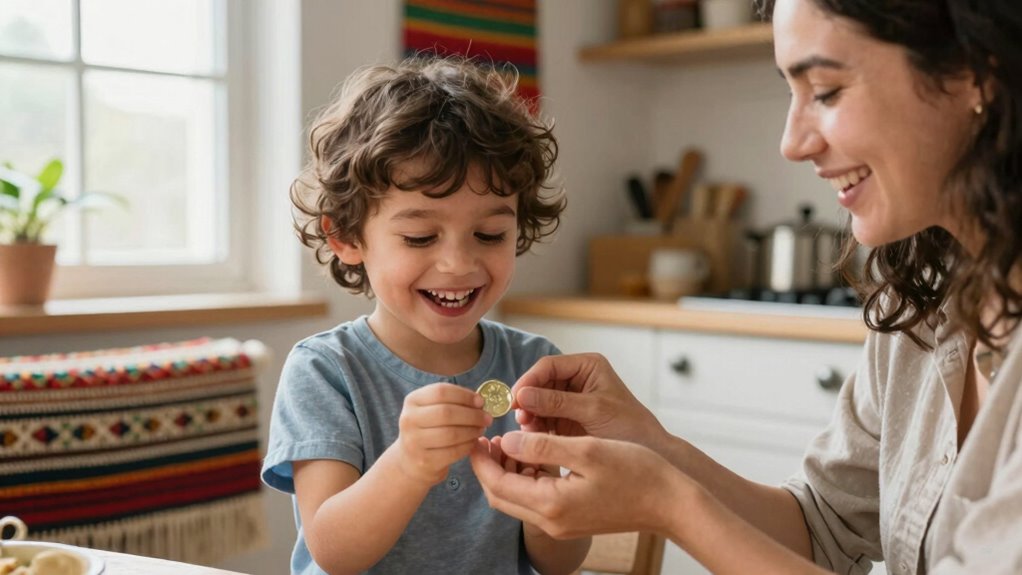
Incorporating cultural and family customs into your tooth fairy ritual can deepen its significance and make it more meaningful for your child. By weaving in cultural symbolism and traditional practices, you enhance the ritual’s ritual significance, making it a cherished family memory. You might include special tokens or stories from your heritage, or adapt customs that resonate with your background. Here are some ideas:
Incorporate cultural customs and symbols to make your child’s tooth fairy experience more meaningful and memorable.
- Use symbolic objects like charms or tokens linked to your culture
- Share family stories or folklore related to losing teeth
- Incorporate traditional songs or phrases during the exchange
- Create a unique, cultural-themed keepsake for your child
- Incorporating household guides for organizing and maintaining these traditions can help keep the ritual consistent and special over time. Additionally, choosing appropriate materials for keepsakes and tokens can ensure they last as meaningful mementos. These elements help connect your child’s experience to your family’s history, enriching the ritual’s emotional value.
Tips for Making the Tooth-Losing Moment Fun and Memorable

Once you’ve woven cultural or family customs into your child’s tooth-losing experience, the next step is to make that moment truly fun and memorable. You can do this by turning it into a small celebration that highlights their age milestones. Encourage good dental hygiene with a special toothbrush or a fun sticker chart for brushing habits. To add excitement, consider a tooth fairy visit or a personalized note. Use this table to plan the moment:
| Tip | Example | Why it works |
|---|---|---|
| Create a ritual | Special pillow or envelope for the tooth | Makes it memorable |
| Make it playful | Tooth-themed games or stories | Keeps kids engaged |
| Celebrate achievements | Rewards for good dental hygiene | Reinforces positive habits |
These ideas help turn the tooth-losing milestone into a joyful, lasting memory.
How Tooth-Losing Rituals Benefit Kids’ and Parents’ Well-Being

When families create meaningful tooth-losing rituals, both kids and parents experience notable psychological and emotional benefits. These traditions foster a sense of accomplishment and boost childhood independence, helping kids feel proud of their growing bodies. They also promote positive attitudes toward dental health, encouraging kids to care for their teeth. Additionally, these rituals strengthen family bonds through shared experiences. Using a battery inverter generator for family gatherings or outdoor activities can ensure all moments are memorable and enjoyable. Incorporating piercings or other body modifications into family traditions can also serve as a form of self-expression and bonding.
Documenting and Sharing Memories of the Tooth-Losing Event

Capturing the moment when a child loses a tooth creates a cherished keepsake that families can revisit for years to come. Whether you snap a photo, write a note, or record a short video, these mementos reinforce the tooth symbolism that marks a milestone. Sharing these memories with family and friends helps preserve the story of your child’s growth and the excitement surrounding their tooth-losing event. You might also create a small album or digital slideshow to keep these moments alive. Documenting the event not only celebrates the rite of passage but also strengthens family bonds. By actively capturing and sharing these memories, you guarantee that the story of this special day endures, becoming part of your family’s treasured history.
Common Mistakes to Avoid When Creating Your Family Tradition

While documenting and sharing memories of your child’s tooth-losing event adds meaning to the tradition, it’s easy to fall into common pitfalls that can undermine its significance. One mistake is making the Tooth fairy visit feel rushed or impersonal, which weakens the magic of family traditions. Another is neglecting to involve your child in the process, losing the opportunity to create lasting memories. Additionally, relying solely on material gifts can diminish the sentimental value. Finally, forgetting to keep the tradition consistent can cause confusion or disappointment. To avoid these mistakes, focus on creating heartfelt moments, involve your child in the storytelling, add personal touches to the Tooth fairy experience, and maintain your family traditions over time. Incorporating family rituals and meaningful elements into the celebration can also help create a special setting for the event. Recognizing the importance of family rituals can strengthen emotional bonds and make the tradition more memorable. These steps ensure the ritual remains meaningful and memorable.
Frequently Asked Questions
How Early Should I Start a Tooth-Losing Tradition With My Child?
You should start a tooth-losing tradition around age five or six, when your child begins losing primary teeth. This timing aligns with childhood milestones and encourages good dental hygiene habits. By creating a special ritual early on, you help your child associate losing teeth with positive memories and self-care. Starting early also gives you the chance to teach dental hygiene in a fun, memorable way, reinforcing healthy habits for life.
Are There Specific Symbols or Items to Include in the Ritual?
You should include symbolic tokens like a small pillow or a tooth fairy box, along with ritual accessories such as a special cloth or a tiny treasure chest. Did you know that 85% of children find comfort in meaningful symbols during rituals? Incorporate these items to make the experience memorable and personal, helping your child feel special. These carefully chosen symbols turn a simple tooth loss into a cherished family tradition.
How Can I Involve Siblings or Extended Family in the Tradition?
You can involve siblings and extended family by making the tooth fairy visit a shared event. Encourage siblings to participate in preparing a special pillow or note, fostering sibling bonding. Invite family members to join in storytelling, sharing their own childhood tooth experiences, which enhances family participation. Creating a group photo or video during the ritual also captures the moment, reinforcing family bonds and making everyone feel included in this memorable tradition.
What Are Some Age-Appropriate Ways to Explain Tooth Loss to Young Children?
Your child’s smile is about to change more dramatically than a superhero’s transformation! When explaining tooth loss, keep it simple and positive—describe it as a fun dental milestone celebration. Use age-appropriate language, like “Your tooth is ready to come out and make room for a new one,” and share friendly tooth fairy myths to make it exciting. This way, they’ll see it as a magical, important part of growing up.
How Do I Adapt the Tradition for Children With Special Needs?
To adapt the tradition for children with special needs, incorporate sensory accommodations like soft visuals or tactile objects to make the experience comfortable. Use visual aids, such as picture books or charts, to explain the tooth loss process clearly. You can also modify the ritual to suit their preferences, like using calming music or a gentle approach, ensuring they feel safe and included while maintaining the family memory’s special meaning.
Conclusion
As you weave these tooth-losing rituals into your family’s story, you’re planting seeds of tradition that bloom into lifelong memories. Each moment becomes a thread in your family’s tapestry, turning a simple tooth into a treasured chapter of your shared journey. Embrace the magic of these rituals, for they transform fleeting childhood milestones into lasting bonds—reminding everyone that even the smallest moments can create the most enduring family legends.
Cold & flu season Picks
humidifiers
As an affiliate, we earn on qualifying purchases.