

As summer break approaches, you might notice kids feeling overwhelmed or emotional because they’re coping with mixed feelings like excitement and sadness. Their reactions often stem from attachment to routines, friends, and traditions that give them comfort and stability. When those break down or seem uncertain, it’s normal for kids to feel hesitant or tearful. Understanding these emotional responses can help you support them better and see why their feelings are so strong. Keep exploring to learn more.

Turn the school run and nap time into listening time
- Thousands of audiobooks, podcasts and originals
- Listen on your phone, tablet or Echo — also offline
- Cancel anytime
Key Takeaways
- Kids may feel anxious about leaving friends and familiar routines behind.
- Emotions stem from attachment to summer traditions and familiar activities.
- The transition can evoke uncertainty, prompting feelings of hesitation or tears.
- Children often seek stability, making the upcoming break feel like a loss.
- Anticipation mixed with fear or sadness reflects processing of change and separation.
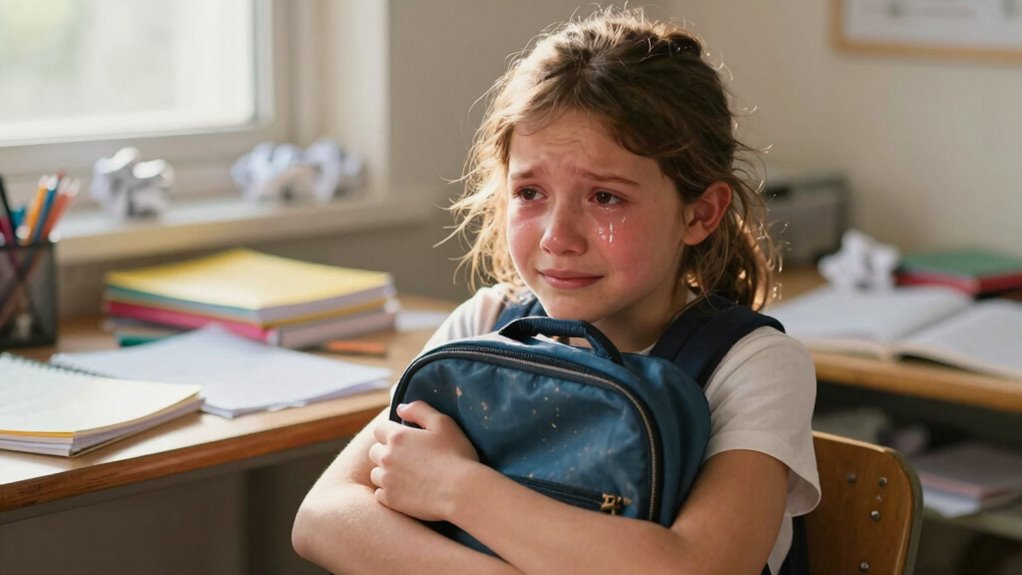
As summer break approaches, it’s common to see some kids feeling anxious or emotional, even if they’re excited about the upcoming fun. The end of the school year brings mixed feelings—anticipation for the adventures ahead, but also a sense of change and uncertainty. For many children, these emotions are closely tied to the way they experience summer traditions and peer relationships. You might notice your child feeling teary when talking about leaving friends or skipping their favorite summer activities. This isn’t unusual; it’s a sign that they’re processing the transition emotionally. Recognizing the importance of childhood experiences in shaping emotional responses can help you better understand their feelings. Summer traditions often hold a special place in kids’ hearts. Whether it’s family vacations, camp experiences, or community events, these routines create a sense of stability and joy. When summer break nears, your child might worry about losing these familiar pleasures or missing out on cherished moments. It’s natural for them to feel a little apprehensive about the change, especially if they associate these traditions with comfort and security. These feelings can lead to emotional responses as they grapple with the idea that routines will shift or pause for a while. You may notice your child hesitating to say goodbye or expressing doubts about staying in touch. It’s important to recognize that these emotions are natural and rooted in a child’s need for connection and stability. Understanding emotional development can help you support their feelings more effectively. Building resilience through coping strategies can also empower children to navigate these transitions with greater confidence. Recognizing the role of attachment in their reactions can help you provide more empathetic support during this time. Being aware of emotional responses as a normal part of development can help you approach these feelings with patience and understanding. You can help your child manage these feelings by talking openly about their worries, emphasizing that summer break is a temporary pause and that they will reconnect with their friends soon. Reminding them of upcoming summer traditions can also provide comfort, giving them something to look forward to. Encouraging them to stay in touch with friends through phone calls, letters, or playdates can ease separation anxiety and reinforce the idea that friendships can endure any break. When you acknowledge their feelings and provide reassurance, you help them navigate this emotional time with confidence and ease.
kids summer transition coping books
As an affiliate, we earn on qualifying purchases.
As an affiliate, we earn on qualifying purchases.
Frequently Asked Questions
How Can Parents Support Emotionally Overwhelmed Children During This Time?
You can support emotionally overwhelmed children by maintaining open parent-child communication, encouraging them to express their feelings honestly. Offer emotional regulation tools like deep breathing or calming activities to help them manage stress. Be patient and validate their emotions, showing understanding and support. Your consistent presence and reassurance help children feel safe, easing their anxiety as they prepare for summer break. This approach fosters trust and emotional resilience during stressful times.
Are There Specific Age Groups More Prone to Emotional Reactions Before Summer?
Ever notice how some kids seem more emotional before summer? You’re right—certain age groups, especially those in developmental stages like early elementary or middle school, are more prone to seasonal anxiety. These stages bring changes and new challenges, amplifying their feelings. As a parent, you can ease these emotions by providing reassurance, maintaining routines, and encouraging open conversations. Understanding these patterns helps you support your child’s emotional well-being effectively.
What Signs Indicate a Child’s Emotional Distress Is Severe?
If your child shows intense sadness, withdrawal, or drastic changes in behavior, their emotional distress might be severe. Watch for signs like difficulty coping with daily activities or persistent anxiety. You can help by strengthening their emotional resilience and teaching effective coping strategies, like talking about feelings or relaxation techniques. If these signs persist or worsen, consider seeking professional support to make certain your child gets the help they need.
Can Pre-Summer Emotional Feelings Affect a Child’s Academic Performance?
Think of summer anxiety as a storm cloud gathering, ready to cast shadows on your child’s mind. These emotional feelings can definitely impact academic performance, as stress from upcoming break and summer anxiety distracts them from focus and learning. When your child feels overwhelmed by these emotions, it becomes harder for them to retain information, complete tasks, or stay motivated. Addressing their feelings early can help clear the skies for a smoother shift.
How Long Do These Emotional Reactions Typically Last?
These emotional reactions, like summer anxiety and emotional anticipation, usually last a few days to a week. You might notice your child feeling extra emotional or restless as they prepare for summer break. The intensity depends on their personality and circumstances. To help them cope, encourage open conversations, reassure them about the break, and establish routines that can ease their shift into summer.
Conclusion
As summer approaches, it’s natural to notice your child’s emotions swirling like a gentle tide. These feelings, though sometimes overwhelming, often signal a heartfelt shift—an ending to routines and beginnings of new adventures. Embrace this delicate dance of emotions, knowing they’re part of your child’s journey toward growth. With patience and understanding, you’ll help them sail smoothly through these fleeting storms, opening the door to brighter days ahead.
Fall Picks
fall essentials
As an affiliate, we earn on qualifying purchases.