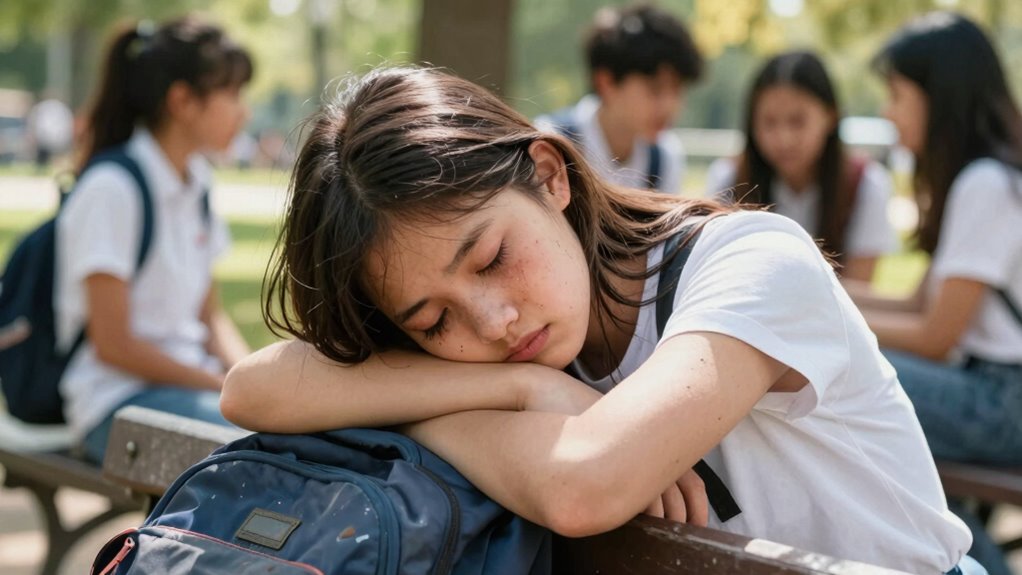

You might not see how overwhelmed your child feels until they start showing signs like irritability, fatigue, or mood swings, which are often hidden. Kids are under constant pressure from academics and extracurriculars, pushing them toward emotional exhaustion they hide from you. Their stress can become so intense that they struggle silently, making burnout feel much worse than it looks on the surface. Understand why this happens and stay with us to explore ways to support them better.

Turn the school run and nap time into listening time
- Thousands of audiobooks, podcasts and originals
- Listen on your phone, tablet or Echo — also offline
- Cancel anytime
Key Takeaways
- Kids often internalize stress, making their emotional exhaustion less visible to parents.
- High academic and extracurricular demands accumulate, overwhelming children’s mental resilience.
- Children may lack coping skills to manage burnout, leading to silent suffering and mood changes.
- Parental expectations may overlook children’s emotional needs, underestimating their vulnerability.
- End-of-year fatigue impacts motivation and enjoyment, which parents might not recognize amidst busy schedules.
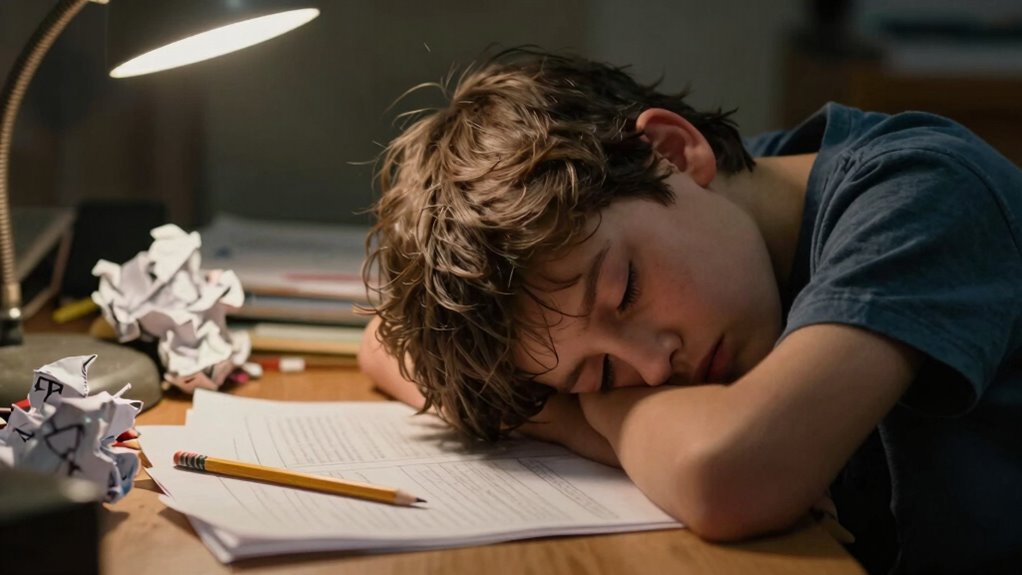
As the school year winds down, many kids start to feel overwhelmed and exhausted—signs of what’s increasingly called end-of-school burnout. You might notice your child becoming irritable, withdrawing, or losing interest in activities they once loved. What’s often overlooked is how deeply this burnout affects their mental health. Kids face a surge of mental health challenges during this time, from anxiety about final exams to feelings of discouragement when they fall short of their goals. The pressure to perform well academically and socially can become intense, and the added weight of extracurricular commitments only makes it worse. Many children push themselves to meet high expectations, juggling sports, clubs, music lessons, and other activities alongside their schoolwork. All these demands can lead to a sense of constant busyness, leaving little room for rest or self-care.
You might think that kids could handle this workload easily, but the truth is, they often struggle silently. The cumulative stress from academic deadlines and extracurricular pressures can cause emotional exhaustion, making it hard for kids to stay motivated or enjoy their usual hobbies. Their mental health challenges may not always be obvious, but they can manifest as mood swings, trouble concentrating, or even physical symptoms like headaches and fatigue. Because kids are still developing emotionally, they’re more vulnerable to feeling overwhelmed, and this can lead to feelings of helplessness or despair if not addressed. Recognizing how mental health challenges impact children is essential for preventing long-term issues. A deeper understanding of emotional resilience can help parents and educators better support children during these challenging times. Additionally, fostering coping strategies can empower kids to manage stress more effectively and build resilience against future challenges.
Furthermore, academic pressure can significantly contribute to feelings of anxiety and burnout among students, especially during such a critical transition period. The pressure to succeed academically and socially creates a perfect storm for burnout. Kids are caught between trying to excel and managing the emotional toll that comes with overcommitment. They may fear disappointing teachers, parents, or themselves, which amplifies their stress. Plus, extracurricular activities often reinforce the need to perform at high levels, adding to their mental load. It’s easy to underestimate how much these pressures wear on children, especially when parents and teachers focus on the end-of-year achievements. Many kids push through, but behind the scenes, they might be quietly battling anxiety and burnout. Additionally, understanding the importance of mental health support can greatly help in alleviating some of this pressure and promoting healthier coping strategies.
Understanding these challenges is crucial. Kids aren’t just tired—they’re emotionally drained and battling mental health challenges that can linger if ignored. Recognizing the signs and easing some of their extracurricular pressures can make a significant difference. Giving children space to breathe, reflect, and decompress isn’t just beneficial—it’s necessary to prevent long-term emotional struggles. The end of the school year shouldn’t leave kids feeling defeated; it should be a time for reflection, growth, and support.
As an affiliate, we earn on qualifying purchases.
Frequently Asked Questions
How Can Parents Tell if Their Child Is Experiencing Burnout?
You can tell if your child is experiencing burnout by observing stress signs like constant fatigue, irritability, or trouble concentrating. Watch for emotional cues such as withdrawal, anxiety, or sudden changes in mood. If your child seems overwhelmed, exhausted, or less interested in activities they usually enjoy, these are strong indicators of burnout. Address these signs early by talking openly and encouraging relaxation to help them cope.
What Are the Long-Term Effects of School-Year Burnout on Kids?
Do you wonder how school-year burnout affects your child’s future? Long-term, academic stress and emotional exhaustion can lead to decreased motivation, anxiety, and difficulty managing responsibilities. Over time, this may cause poorer academic performance, lower self-esteem, and even mental health issues like depression. Addressing burnout early helps prevent these lasting effects, ensuring your child builds resilience and maintains a healthy relationship with learning.
How Does Burnout Differ Between Younger Children and Teenagers?
You notice that burnout affects younger children differently than teenagers. Younger kids often struggle with emotional resilience, feeling overwhelmed more easily, and may withdraw from peer relationships, making it hard for them to cope. Teenagers, however, might show signs through irritability or fatigue but tend to develop better emotional resilience over time. Their peer relationships can either suffer or strengthen, depending on how they manage stress and seek support.
Are There Specific Subjects or Activities That Contribute More to Burnout?
You might notice that extracurricular stress and academic pressure in subjects like math, science, or language arts contribute most to burnout. These areas often demand more time, effort, and mental energy, especially as the school year ends. When kids feel overwhelmed by balancing homework, tests, and activities, burnout intensifies. To help, you can encourage breaks, prioritize tasks, and foster open conversations about their stress levels.
What Role Does Sleep Deprivation Play in End-Of-Year Burnout?
Sleep deprivation greatly worsens end-of-year burnout because it hampers your ability to recover and stay resilient. When you neglect restorative sleep, your brain struggles with focus, mood, and stress management. Improving sleep hygiene—like sticking to a consistent sleep schedule and avoiding screens before bed—helps you recharge. Prioritizing quality sleep allows you to better handle academic pressures, boosts your mood, and reduces exhaustion during this demanding time.
Conclusion
As you watch your kids push through the final weeks, remember that over 70% of students report feeling exhausted by school year’s end. Their stress often goes unnoticed, but acknowledging it can make a difference. Recognize signs of burnout and encourage them to take breaks, relax, and celebrate their accomplishments. By doing so, you help ease their burden and set a healthier tone for the beginning of summer, ensuring they’re ready for a fresh start.
Columbus Day / Indigenous Peoples' Day Picks
long weekend sales
As an affiliate, we earn on qualifying purchases.