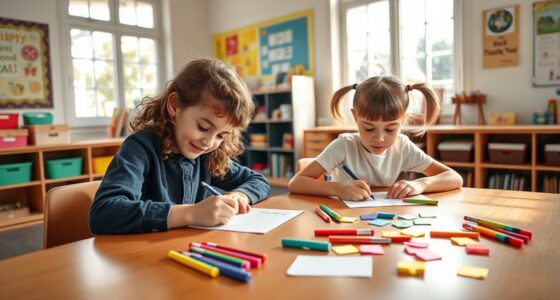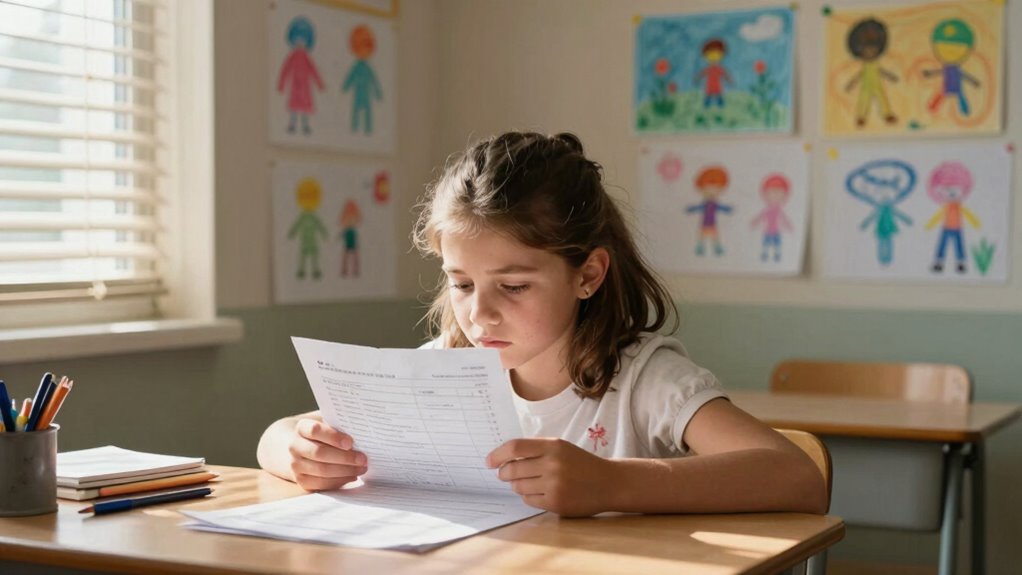

At the end of the school year, kids tend to compare their achievements and possessions more. This period prompts self-reflection and highlights what they lack compared to peers, especially with awards or gadgets on display. These comparisons can lead to feelings of inadequacy and self-doubt, making self-esteem struggles more intense. If you want to discover how to help your child navigate these feelings and build confidence, keep exploring the strategies that can make a difference.

Turn the school run and nap time into listening time
- Thousands of audiobooks, podcasts and originals
- Listen on your phone, tablet or Echo — also offline
- Cancel anytime
Key Takeaways
- The end of the year prompts children to evaluate achievements and possessions, intensifying feelings of comparison.
- External rewards and awards highlight differences, making children more aware of their perceived shortcomings.
- Increased social interactions and peer group evaluations heighten sensitivity to comparisons.
- Children’s focus shifts to external validation, making comparisons feel more impactful and personal.
- Reflection on year-long progress amplifies self-criticism and feelings of inadequacy when comparing to others.

As the year comes to a close, many kids find themselves comparing their achievements and possessions to those of their peers, often without even realizing it. This natural tendency can become especially intense during this time, as the end of the school year prompts reflection—and sometimes judgment—about how they measure up. You might notice your child feeling more anxious or self-critical as they evaluate their performance, friendships, or material possessions. These feelings are rooted in self-esteem challenges that often surface when kids see classmates with awards, new gadgets, or popular social circles. The pressure to match or outdo others can make them doubt their worth, fueling a cycle of insecurity and disappointment. Recognizing how comparison influences self-esteem can help you guide your child toward healthier perspectives. Understanding the impact of social comparison on mental health can also empower you to support their emotional well-being effectively. Moreover, children are particularly vulnerable to the effects of external validation, which can shape their self-perception in significant ways. The impact of comparison at this time isn’t just emotional; it can also influence how your child views themselves long-term. When they tie their self-esteem to external validation, they risk developing a fragile sense of self that depends heavily on others’ opinions. The more they compare, the more they may feel they fall short, creating a cycle of low confidence. It’s vital to recognize these signs early and help your child develop resilience and a healthy sense of self-worth. Encouraging them to focus on their personal growth and strengths can shift their perspective from external validation to internal satisfaction. Research also shows that fostering an environment of positive reinforcement can significantly diminish the negative effects of comparison. Creating a supportive environment can help children develop a more balanced view of success, reducing the tendency to measure themselves solely against others. Ultimately, the end of the school year can be a challenging period for kids, as comparison amplifies self-esteem challenges and peer pressure. You can support them by emphasizing their unique qualities, celebrating effort rather than just achievement, and reminding them that everyone’s journey is different. By fostering a positive environment where they feel valued for who they are, you help them build inner confidence that endures beyond the classroom or holiday season.
As an affiliate, we earn on qualifying purchases.
Frequently Asked Questions
How Can Parents Help Kids Cope With Year-End Comparisons?
You can help your kids cope with year-end comparisons by emphasizing their unique strengths and achievements. Encourage them to focus on personal growth instead of peer pressure or social comparison. Praise their efforts, not just results, and remind them that everyone has different journeys. Open conversations about feelings can also help them process emotions. Supporting their self-esteem and fostering a positive mindset will make it easier for them to handle comparisons gracefully.
What Are Signs a Child Is Negatively Affected by Comparisons?
You might notice your child becomes more withdrawn or irritable, especially after seeing peer influence or social media posts that highlight others’ achievements. They may compare themselves negatively, leading to low self-esteem or anxiety. Watch for signs like avoiding activities they once enjoyed or expressing feelings of inadequacy. These reactions often stem from constant comparisons, so encouraging open conversations and limiting social media use can help them feel more confident and supported.
Do Teachers Contribute to Comparison Stress at Year-End?
Like a mirror reflecting society’s pressures, teachers can unintentionally contribute to comparison stress at year-end through their influence. When teachers focus too much on grades or achievements, they echo peer pressure that kids already feel. This constant comparison can make students feel inadequate, especially as the school year winds down. Your role is essential—you can foster a supportive environment that minimizes these pressures and helps kids recognize their unique strengths.
How Does Comparison Affect a Child’s Self-Esteem Long-Term?
Comparison can negatively impact your child’s self-esteem long-term by undermining their self-worth development. When they constantly compare themselves to others, they may start believing they’re not good enough, which hampers confidence. Over time, this can weaken their ability to handle setbacks, affecting long-term resilience. To foster healthy self-esteem, encourage your child to focus on their strengths and progress, rather than comparisons, helping them develop a resilient and positive self-image.
Are There Activities That Reduce Comparison-Related Anxiety?
Yes, engaging in activities like mindfulness exercises, journaling, or creative arts can help reduce comparison-related anxiety. These activities shift the focus away from peer pressure and social comparison, encouraging self-reflection and personal growth. Participating in team sports or collaborative projects also fosters a sense of belonging and self-confidence without constant comparison. By emphasizing individual progress, you help kids build resilience against the negative effects of comparison.
Conclusion
As the school year wraps up, remember that comparison can hit harder because kids often feel pressure to meet everyone’s expectations. Did you know that nearly 60% of students report feeling more anxious about their performance during finals? By focusing on individual progress rather than comparing, you can help your child build confidence and reduce stress. Encouraging a mindset of growth over comparison can make a significant difference in how they end the year feeling about themselves.
Columbus Day / Indigenous Peoples' Day Picks
long weekend sales
As an affiliate, we earn on qualifying purchases.