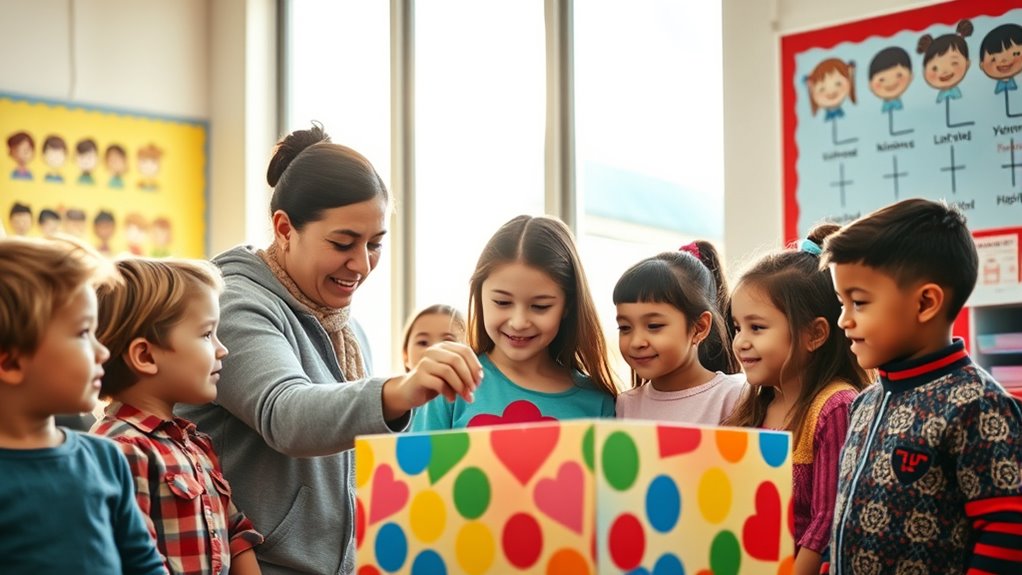

To help kids understand charity and philanthropy, involve them in simple acts like volunteering or sharing their belongings. Use stories of kindness and community service to make these ideas relatable. Encourage them to set personal giving goals and reflect on how their actions help others. Teaching empathy and responsibility early fosters a caring attitude that lasts a lifetime. If you keep exploring, you’ll discover even more ways to teach kindness and generosity effectively.

Turn the school run and nap time into listening time
- Thousands of audiobooks, podcasts and originals
- Listen on your phone, tablet or Echo — also offline
- Cancel anytime
Key Takeaways
- Use meaningful experiences and real-life examples to simplify the concepts of charity and philanthropy for children.
- Involve kids in community service activities aligned with their interests to demonstrate the impact of helping others.
- Share stories of everyday kindness and generosity to inspire empathy and show that everyone can contribute.
- Encourage children to set personal charitable goals, like saving allowances or organizing small acts of kindness.
- Foster a caring attitude by connecting individual actions to larger societal efforts, emphasizing ongoing responsibility and compassion.
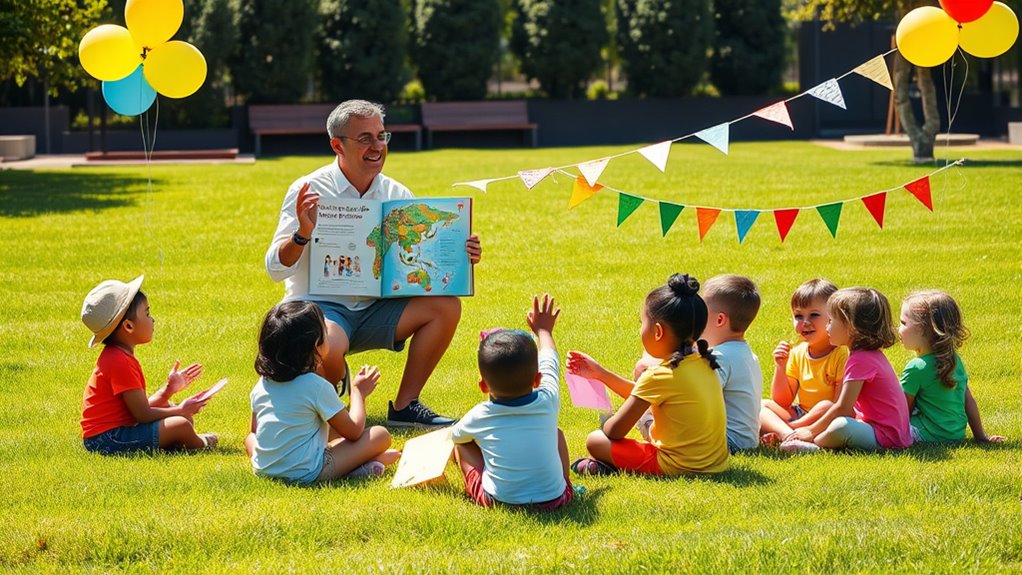
Have you ever wondered how to teach kids the importance of giving back? Instilling a sense of charity and philanthropy in children can seem challenging, but it’s one of the most valuable lessons you can impart. The key is to introduce the idea of giving back through simple, meaningful experiences that highlight community service and its impact. When kids understand the importance of helping others, they start to see how their actions can create positive change in their community and beyond.
Start by involving them in community service activities that resonate with their interests. Whether it’s volunteering at a food bank, cleaning up a local park, or participating in charity drives, these hands-on experiences make the concept of giving back real and tangible. When children see the direct results of their efforts, they grasp the significance of charity and how even small acts can make a big difference. Encourage them to reflect on these experiences and discuss how their actions helped others. This reinforces the idea that community service isn’t just about doing good—it’s about making a meaningful contribution to society.
Getting kids involved in community service helps them see the impact of their actions and fosters meaningful contributions.
Another effective way to teach kids about philanthropy is by sharing stories of generosity. Highlight stories of individuals or organizations making a difference through charitable work. These stories help children understand that giving back isn’t limited to large donations or grand gestures; it can be as simple as offering a kind word, donating clothes, or helping a neighbor. By seeing examples of everyday kindness and compassion, kids learn that everyone has the power to contribute in their own way. It also nurtures empathy, helping them recognize the needs of others and inspiring a desire to help.
You can also encourage kids to set their own charitable goals. This could be saving a portion of their allowance to donate, organizing a small fundraiser, or simply committing to perform daily acts of kindness. When children take ownership of their giving, they develop a sense of responsibility and pride in their community service efforts. It’s important to celebrate these acts and remind them that even small contributions matter. Through consistent practice, they’ll understand that charity and philanthropy are ongoing commitments, not just one-time acts.
Ultimately, teaching kids about giving back is about fostering a caring attitude and showing them the value of helping others. By engaging them in community service, sharing inspiring stories, and encouraging personal involvement, you help them develop a lifelong understanding of charity and philanthropy. Recognizing the role of affiliate marketing in supporting charitable causes can also serve as an example of how broader societal efforts can amplify individual acts of kindness. This foundation will guide them to become compassionate, responsible individuals who see the importance of making a difference in the world around them.
Products Worth Considering

Garmin Forerunner 570 GPS Running Smartwatch, 47mm, Aluminum, Black

Hyperice Normatec Elite Wireless Compression Boots Recovery – Standard Size

Levoit Core 400S-P Smart Air Purifier for Large Rooms
As an affiliate, we earn on qualifying purchases.
Frequently Asked Questions
How Can I Teach Kids About Giving Without Making It Feel Obligatory?
You can teach kids about giving by emphasizing family values and making it a natural part of life. Encourage them to participate in volunteer opportunities that interest them, showing that giving is rewarding rather than obligatory. Share stories of kindness and generosity, and praise their efforts. This approach helps kids see giving as a reflection of your family values, fostering a genuine desire to help others without feeling pressured.
What Are Age-Appropriate Ways for Children to Participate in Charity Work?
You can involve children in charity work through age-appropriate volunteering opportunities and charity events. For younger kids, simple tasks like collecting donations or making cards work well. Older children can help at local shelters or organize small fundraising activities. These experiences teach empathy and responsibility without pressure, making giving meaningful and fun. Remember, participation should feel rewarding, not obligatory, encouraging lifelong generosity.
How Do I Explain the Impact of Donations to Young Children?
You can explain the impact of donations to young children by sharing donation stories that highlight real examples of how their contributions help others. Describe charity roles in simple terms, like how donations provide food, medicine, or education. Use engaging stories to show how their donations make a difference, making the concept relatable. This approach helps kids understand that their support can create positive change in people’s lives.
What Are Some Fun Activities to Introduce Philanthropy Concepts?
Why not turn philanthropy into a fun adventure? You could host interactive games like “Donations Dash” where kids race to collect items for a cause, or storytelling activities that let them imagine helping others. These activities make charity concepts lively and memorable, sparking empathy and understanding. Kids love playing, and through these games, they’ll grasp how generosity can make the world a better place—all while having a blast!
How Can Kids Learn About Different Types of Charities and Causes?
You can teach kids about different charities and causes through cause exploration activities like visiting local nonprofits or hosting themed discussions. Use charity awareness tools such as storybooks or videos that highlight various causes, making it engaging and educational. Encourage them to ask questions, share their opinions, and participate in small projects. This hands-on approach helps kids understand diverse charities and develop empathy for different causes.
Conclusion
By building a brighter future, you empower your kids to believe in giving, grow in generosity, and grasp the genuine joy of giving back. Encourage their curiosity, cultivate compassion, and create countless opportunities for them to contribute. When you nurture their understanding of charity and philanthropy, you’re planting powerful seeds of kindness that can blossom into lifelong lessons. Together, you can cultivate a compassionate community, creating a cycle of caring, sharing, and shaping a better tomorrow.