To prepare your kids for summer break, start teaching independence early by establishing routines for self-care and chores. Assign age-appropriate tasks like making beds or brushing teeth, and reinforce responsibility for their environment. Encourage ownership of daily routines and help them feel capable of handling outside activities confidently. Building these skills now makes summer more enjoyable and empowering. Keep exploring ways to foster independence, and you’ll help your children grow into confident, self-sufficient individuals.

Turn the school run and nap time into listening time
- Thousands of audiobooks, podcasts and originals
- Listen on your phone, tablet or Echo — also offline
- Cancel anytime
Key Takeaways
- Assign age-appropriate chores to build responsibility and confidence in daily tasks.
- Teach self-care routines like hygiene and dressing to foster independence.
- Encourage problem-solving and decision-making in safe, supportive environments.
- Develop consistent routines to help children manage their time and responsibilities independently.
- Gradually increase responsibilities to boost self-sufficiency and prepare for summer independence.
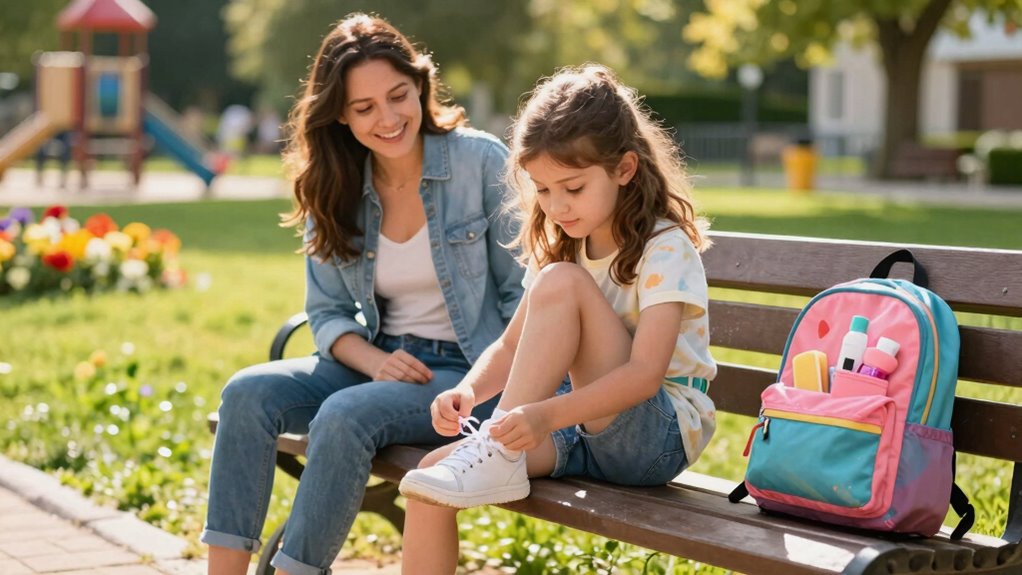
As summer break approaches, now’s the perfect time to teach your kids independence so they’re ready to handle new challenges on their own. Building their confidence in managing daily tasks helps them become more self-reliant and prepares them for the independence summer often brings. One effective way to do this is by assigning chore responsibilities. Instead of doing everything for them, give your children specific chores suited to their age, like making their bed, setting the table, or folding laundry. These tasks teach accountability and help them understand the importance of contributing to household routines. Start with simple responsibilities and gradually increase their complexity as they grow more comfortable. Make sure to explain why these chores matter, so they realize their role in the family’s functioning. Consistency is key, so set a routine for chores and encourage your kids to stick to it daily or weekly. When they see chores as a regular part of life, they’ll develop habits that foster independence. Additionally, teaching children about biodiversity and conservation can instill a sense of responsibility for the environment, reinforcing the importance of caring for the world around them. Incorporating environmental awareness can further deepen their understanding of sustainability and their role in protecting nature. Recognizing how home environment impacts overall well-being can help them appreciate the significance of a healthy and organized living space. Developing an understanding of ecological systems can also enhance their awareness of how interconnected life on Earth truly is. Incorporating metaphysical concepts like angel numbers can also inspire a positive mindset and self-belief, which are crucial for developing independence.
Alongside chores, teaching your kids self-care routines is equally essential. Show them how to manage their personal hygiene, like brushing their teeth, washing their face, and dressing appropriately for the weather. Make these routines part of a daily schedule so they become second nature. You can even create a visual chart to help them remember each step, which builds their confidence in managing their well-being. As they develop these habits, praise their efforts to reinforce positive behavior. Giving them the tools and knowledge to care for themselves helps them feel capable and prepared for situations outside the home, such as summer camps or visits with friends. It also encourages them to take ownership of their health and hygiene without relying on constant reminders.
Incorporating these practices into your daily routine might take some patience, but the payoff is worth it. When your kids learn chore responsibilities and self-care routines now, they’ll be better equipped to handle independence during the summer and beyond. They’ll gain essential life skills, develop a sense of responsibility, and grow more confident in their abilities. As they take on more responsibilities, you’ll see them become more self-sufficient, making your role as a parent both easier and more rewarding. Summer is a great time to foster independence, and starting these habits now sets a strong foundation for your kids’ growth into capable, confident individuals.
Products Worth Considering

Hyperice Hypervolt Go 3 Percussion Massage Gun with Carry Case

Therabody Theragun Mini 3rd Generation Massage Gun

Bowflex PR1000 Home Gym
As an affiliate, we earn on qualifying purchases.
Frequently Asked Questions
How Early Should I Start Teaching Independence to My Child?
You should start teaching independence early, ideally around age three or four, to build a strong foundation. Use parenting strategies that encourage your child’s curiosity and confidence, gradually giving them small responsibilities. This boosts their motivation and sense of achievement. Consistent encouragement and patience help your child develop independence naturally, making it easier for them to handle bigger tasks as they grow, and ensuring they’re prepared for summer break with a confident mindset.
What Are Some Age-Appropriate Independence Skills for Younger Kids?
Did you know that children develop vital social skills by age five? For younger kids, focus on age-appropriate independence skills like dressing themselves, sharing toys, and expressing emotions clearly. These help build emotional resilience and social skills, essential for future interactions. Encouraging them to make simple choices and practice routines fosters confidence, making it easier for your child to navigate social settings and handle emotions independently as they grow.
How Can I Encourage Independence Without Risking Safety?
You can encourage independence by setting clear parental boundaries that keep your child safe while allowing exploration. Focus on achievable independence milestones, like dressing themselves or managing simple chores, gradually increasing responsibility. Always supervise and provide guidance, praising effort to boost confidence. By balancing safety with independence, you help your child develop essential skills, building trust and resilience without risking their well-being.
What if My Child Resists Taking on New Responsibilities?
Ever wonder how to handle a child resisting new responsibilities? You can start by empathizing with their feelings and breaking tasks into small, manageable steps. Remember, peer pressure can influence their attitude, so encourage emotional resilience. You might ask, “What’s the worst that could happen?” to ease anxiety. With patience, your child will gradually develop confidence and independence, understanding that challenges help them grow stronger.
How Do I Balance Independence With Supervision?
You balance independence with supervision by setting clear boundaries and trusting your child’s judgment, especially as they face peer influence and engage in extracurricular activities. Encourage them to make decisions while staying nearby to guide and support. Regular check-ins help guarantee safety without micromanaging. By fostering open communication, you empower your child to develop independence while feeling secure, preparing them for responsible choices during summer break and beyond.
Conclusion
As summer approaches, remember that teaching kids independence now sets them up for a successful, adventure-filled break. Think of it as prepping your little explorers for their own Odyssey, where they navigate new challenges with confidence. By fostering independence today, you’re equipping them with skills that’ll serve them well, whether they’re sailing through summer or facing the next quest at school. So, embrace the journey—your efforts today craft tomorrow’s resilient, self-reliant adventurers.