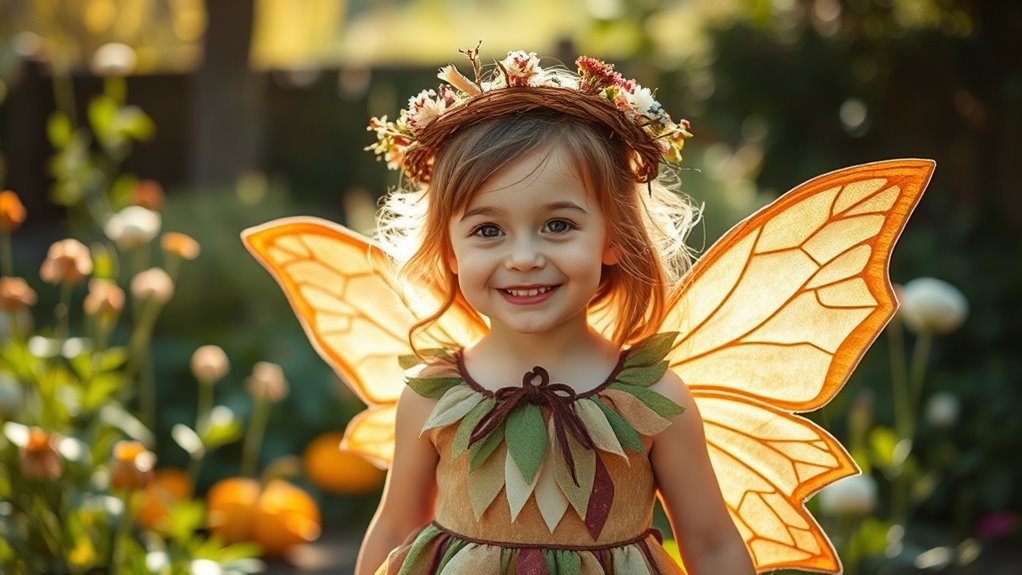

For an eco-friendly Halloween, try creating DIY costumes using household items like old T-shirts, cardboard boxes, or leftover fabrics to reduce waste. Shop at thrift stores for unique, upcycled clothing, or incorporate natural materials like leaves and gourds into your decorations. Reusable, biodegradable decor and packaging also make your celebration more sustainable. Want to discover easy, creative ideas to make this holiday eco-conscious and fun? Keep exploring for simple tips and inspiring options.

Turn the school run and nap time into listening time
- Thousands of audiobooks, podcasts and originals
- Listen on your phone, tablet or Echo — also offline
- Cancel anytime
Key Takeaways
- Create costumes from thrifted or upcycled clothing to reduce waste and promote sustainability.
- Use DIY tutorials to craft creative outfits with recyclable and natural materials.
- Incorporate reusable decorations and natural elements like leaves and pumpkins for eco-friendly festivities.
- Repurpose household items, such as old T-shirts or cardboard, for costume accessories and decorations.
- Choose biodegradable packaging for treats and favors to minimize environmental impact during Halloween celebrations.
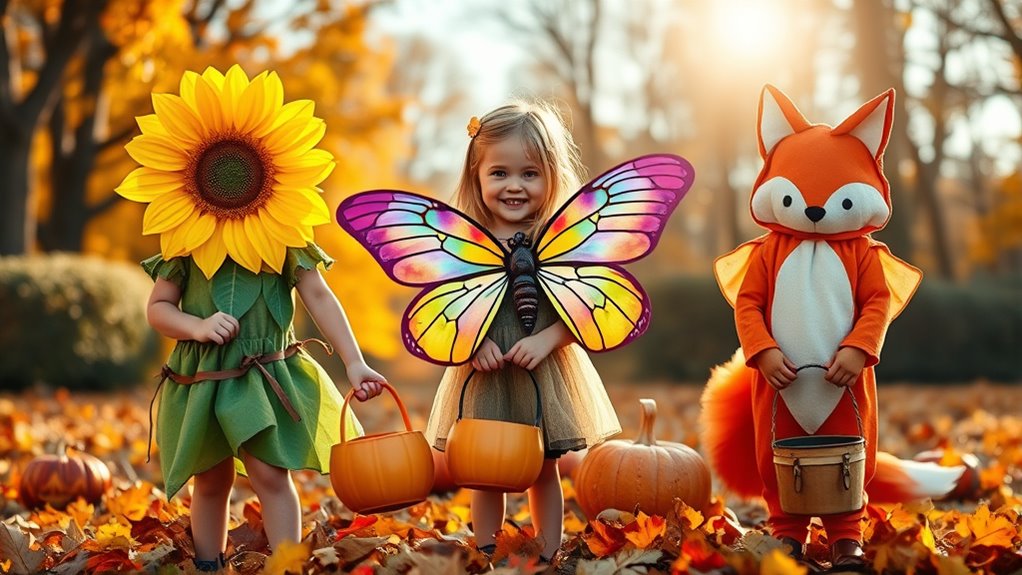
Have you ever wondered how to celebrate Halloween without harming the environment? It’s easier than you might think, especially when you explore DIY costume tutorials that help you craft creative, sustainable outfits. Instead of buying costumes that end up in landfills after one use, you can repurpose and reuse materials you already have at home. Look for simple ideas like turning old T-shirts into superhero capes or using cardboard boxes to create robot armor. These DIY costume tutorials not only save money but also reduce waste, making your celebration more eco-conscious. Plus, they’re fun to do with your kids, sparking creativity and teamwork.
When planning your eco-friendly Halloween, consider incorporating eco conscious party tips. Use decorations made from reusable or biodegradable materials, like cloth banners, paper lanterns, or natural elements such as pumpkins, gourds, and leaves. Avoid single-use plastic decorations that can quickly pile up and harm the environment. Instead, opt for handmade or upcycled decor, which adds a personal touch and minimizes waste. For treats, choose packaging that’s compostable or recyclable, and consider giving out small, sustainable favors like seeds, stickers, or handmade crafts. This way, your party celebrations leave a lighter footprint.
Choosing costumes made from thrifted or upcycled clothing is another simple way to stay eco-friendly. Shopping at thrift stores not only saves money but also keeps garments out of landfills. If you’re sewing or customizing costumes, use leftover fabric scraps or old clothes you no longer wear. This approach encourages creativity and reduces the demand for new textiles, which have a significant environmental impact. Incorporating natural materials like organic cotton or hemp can further enhance the sustainability of your costumes. Communicate these eco-conscious choices to your kids, emphasizing the importance of sustainability. It’s a great lesson in reducing waste and making mindful decisions about consumption.
Incorporating DIY costume tutorials into your preparations transforms the usual Halloween into an environmentally friendly event. Kids love the chance to get hands-on, and you’ll appreciate the savings and the positive impact on the planet. These tutorials often provide step-by-step instructions that are easy to follow, even for beginners. Whether you’re making a fairy crown from twigs and leaves or assembling a pirate hat from recycled cardboard, the process is rewarding. It’s also an opportunity to teach your children about reusing resources and valuing creativity over consumption. Using natural or recycled materials aligns with the latest modern farmhouse decor trends, which emphasize natural elements and sustainability.
DIY eco-friendly Halloween costumes for kids
As an affiliate, we earn on qualifying purchases.
As an affiliate, we earn on qualifying purchases.
Frequently Asked Questions
How Can I Ensure Costumes Are Safe for Kids?
To guarantee costumes are safe for kids, follow costume safety tips like choosing flame-resistant fabrics and avoiding small parts that could be choking hazards. Opt for eco-friendly fabric choices such as organic cotton or hemp to keep costumes sustainable. Make sure costumes fit comfortably to prevent trips or falls, and add reflective elements for visibility. Always supervise children during Halloween to keep them safe and ensure their costumes are both eco-friendly and secure.
Are Homemade Costumes More Sustainable Than Store-Bought Ones?
Homemade costumes are generally more sustainable than store-bought ones because you can use DIY accessories and upcycled fabrics, reducing waste and avoiding fast fashion. When you make costumes yourself, you have control over materials, ensuring they’re eco-friendly. Plus, repurposing existing clothes or fabrics minimizes environmental impact. So, by choosing DIY options, you’re actively helping the planet while creating a unique, safe costume for your kid.
What Eco-Friendly Materials Are Best for Halloween Decorations?
Think of your Halloween decorations as a garden in full bloom—choose biodegradable options and natural fibers to keep it thriving. These eco-friendly materials break down gently, returning nutrients to the earth instead of lingering as waste. Burlap, jute, and cotton are excellent natural fibers, while biodegradable options like paper lanterns and cornstarch-based tableware add festive flair. By selecting these, you turn your celebration into a sustainable masterpiece.
How Can I Reduce Waste From Halloween Party Supplies?
You can reduce waste from Halloween party supplies by choosing reusable tableware, which cuts down on single-use plastics. Encourage guests to recycle paper waste like invitations and decorations by providing clearly labeled bins. Opt for cloth napkins and biodegradable cups, and avoid disposable decorations. By planning ahead and emphasizing reuse and recycling, you’ll minimize waste and create a more eco-friendly celebration everyone can enjoy.
Are There Local Options for Eco-Friendly Costume Rentals?
Yes, you can find local options for eco-friendly costume rentals by checking out local costume shops that offer sustainable options. Many shops now partner with eco rental services, allowing you to rent costumes instead of buying new ones, which reduces waste. Visit nearby stores or search online for eco rental services in your area. This way, you can enjoy a creative, sustainable costume without the environmental impact of purchasing new outfits.
Conclusion
This Halloween, think of yourself as a creative wizard, turning everyday items into magical costumes that are kind to the Earth. By choosing sustainable options, you not only protect the planet but also inspire others to follow your lead. Remember, eco-friendly costumes are like seeds of change—plant them now, and watch a greener future grow. So go ahead, craft your unique look and make this spooky season both fun and eco-conscious!
Halloween Picks
halloween
As an affiliate, we earn on qualifying purchases.