Changing your child’s sleep space can unexpectedly cause more night wakings than you realize, because children develop strong sleep associations with their familiar surroundings. Even small shifts, like moving a crib or adjusting lighting, can disrupt their sense of security and make it harder for them to stay asleep. Sensory sensitivities and altered cues can interfere with their sleep stability, causing more frequent awakenings. If you keep exploring, you’ll discover ways to maintain a consistent environment that helps your child sleep better.

Turn the school run and nap time into listening time
- Thousands of audiobooks, podcasts and originals
- Listen on your phone, tablet or Echo — also offline
- Cancel anytime
Key Takeaways
- Small changes in sleep environment can disrupt familiar cues, leading to increased night wakings.
- Sensory sensitivities make children more responsive to even minor adjustments, affecting sleep continuity.
- Altering sleep associations, like toys or lighting, can cause children to wake and struggle to re-enter sleep.
- Inconsistent lighting or environment signals can interfere with circadian rhythms, prompting more frequent awakenings.
- Maintaining environmental stability helps reinforce sleep routines and reduces the likelihood of night wakings.
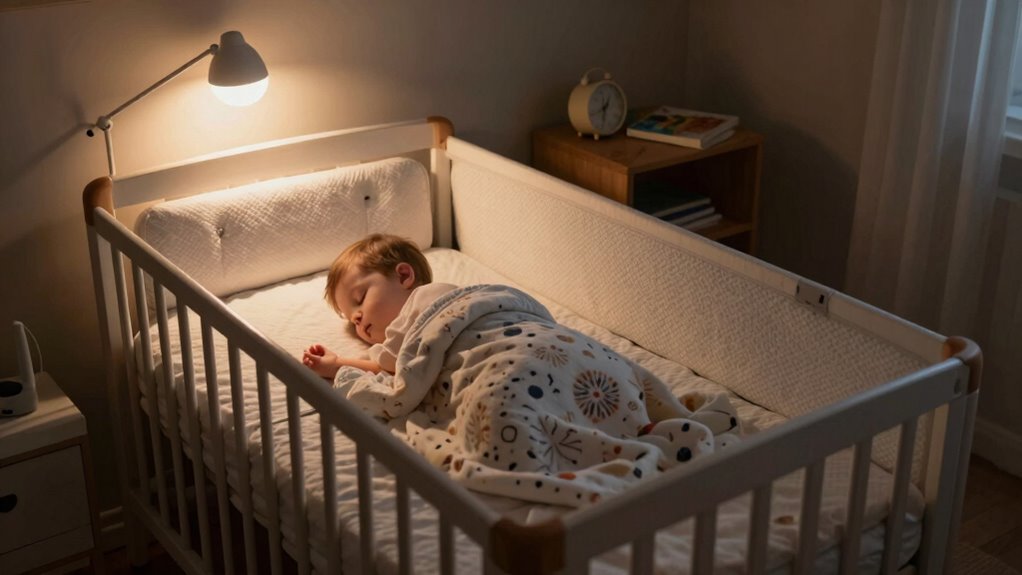
Many parents underestimate how much changes to a child’s sleep environment can disrupt their nighttime rest. Even small adjustments, like moving a crib or changing the layout of a room, can trigger more night wakings than you might expect. Children form associations with their sleep space, and when those associations are disturbed, it can create confusion or discomfort that leads to waking up. For example, if your child is used to falling asleep in a certain spot with familiar surroundings, moving their bed or altering the room’s setup can unsettle their sense of security. This disruption can make it harder for them to shift back to sleep after waking, prolonging or increasing night wakings. Additionally, children’s sensory processing can be sensitive to environmental changes, making consistency even more vital. Dream associations also play a significant role in how children respond to their sleep environment. When your child develops specific associations with their sleep space—like the presence of certain toys, sounds, or lighting—they rely on these cues to feel safe and comforted. Changing these elements, even slightly, can interfere with their ability to stay asleep because their brain associates the familiar environment with rest. If a familiar stuffed animal or blanket is missing, or if the room looks different, your child may wake up more frequently, searching for that sense of familiarity they associate with sleep. Light exposure is another critical factor impacted by sleep space changes. Your child’s sleep environment should have consistent lighting—dim, or dark enough to promote melatonin production. When you introduce bright lights or alter the lighting schedule, it can send conflicting signals to their developing circadian rhythm. Bright lights or even the glow from screens can make it harder for your child to fall asleep initially and may cause them to wake during the night. Conversely, very dim or inconsistent lighting can make it difficult for them to navigate back to sleep after waking, especially if they’re used to a certain level of darkness. In essence, even minor alterations to your child’s sleep space impact how they perceive their environment, influencing dream associations and light exposure. These factors work together to stabilize or unsettle their sleep patterns. When you change their sleep environment, you’re not just rearranging furniture—you might be disrupting their internal cues that help them feel safe, relaxed, and ready to sleep. Recognizing how sensory associations can influence sleep can help you create a more consistent environment that promotes restful nights. A comprehensive understanding of environmental cues can further support establishing a stable sleep routine. The key is maintaining consistency and understanding how these subtle shifts can influence your child’s nighttime rest more than you might think.
adjustable baby sleep environment
As an affiliate, we earn on qualifying purchases.
As an affiliate, we earn on qualifying purchases.
Frequently Asked Questions
How Long Does It Take for Sleep Space Changes to Affect Night Wakings?
It usually takes about one to two weeks for sleep space changes, like adjusting bedtime routines or managing nap shifts, to start reducing night wakings. Consistency is key—stick with the new routines and environment. Your child’s sleep patterns will gradually adapt as they become familiar with the changes. Be patient and observe how these adjustments improve their overall sleep, leading to fewer night awakenings over time.
Are Certain Sleep Environments More Effective Than Others?
In the grand scheme of nursery design, some environments are more effective for better sleep, thanks to improved sleep hygiene. You’ll want a space that’s dark, quiet, and cool, avoiding clutter that can overstimulate. As if you’re tuning a vintage radio, fine-tune your child’s sleep space to minimize disruptions. A well-designed sleep environment fosters longer, uninterrupted sleep, reducing night wakings and helping your little one rest peacefully.
Can Sleep Space Changes Impact a Child’s Overall Sleep Quality?
Yes, sleep space changes can substantially impact your child’s overall sleep quality. When you create a cozy, consistent environment that promotes good sleep hygiene and routines, your child feels more secure and relaxed at bedtime. Alterations like adjusting lighting, noise levels, or bedding can either enhance or disrupt sleep. Prioritizing a stable, comfortable sleep space helps your child fall asleep faster, stay asleep longer, and wake up refreshed.
How Can Parents Safely Modify Sleep Spaces Without Causing Disruption?
Did you know that consistent sleep environments can reduce night wakings by up to 40%? To modify sleep spaces safely, prioritize sleep safety by avoiding hazards and ensuring a secure setup. Maintain environmental consistency by keeping the room dark, quiet, and at a comfortable temperature. Change only one element at a time, so your child gradually adapts without feeling disrupted. This approach helps foster secure sleep habits and minimizes night wakings.
Do Sleep Space Changes Have Different Effects Based on Age?
Yes, sleep space changes impact children differently based on age. Younger kids often need familiar bedroom decor and consistent sleep routines to feel secure, so sudden changes can disrupt their sleep. Older children might adapt more easily but still benefit from maintaining some familiar elements. Adjusting their sleep space gradually helps minimize night wakings, ensuring they feel comfortable and safe, regardless of age.
Conclusion
Think of your child’s sleep space as a garden—you tend to it, and it blooms peacefully. When you make changes, it’s like shifting the soil or planting new seeds; sometimes, it causes unexpected night wakings. By understanding that your child’s sleep environment is more than just a room, you can nurture better sleep habits. Remember, patience and consistency are the sunlight and water that help your little garden flourish through the night.
Columbus Day / Indigenous Peoples' Day Picks
long weekend sales
As an affiliate, we earn on qualifying purchases.