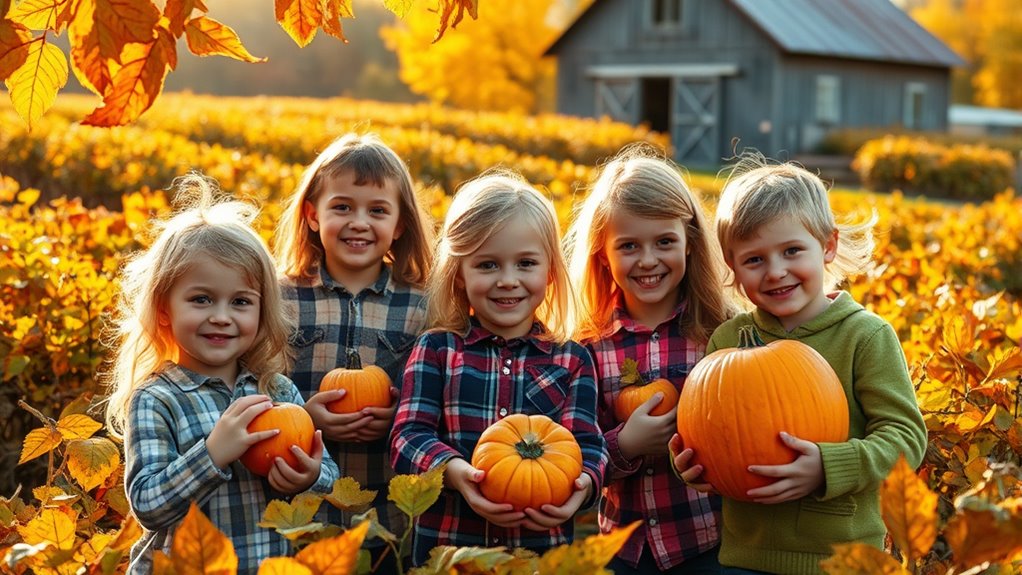

To teach kids gratitude during harvest season, involve them in traditions, crafts, stories, and acts of giving. Celebrate harvest festivals, create gratitude trees, and share folktales that emphasize thankfulness. Encourage practical actions like preparing seasonal meals or donating surplus food. By engaging children in these activities, they learn to appreciate the land’s gifts and develop lifelong gratitude skills. Keep exploring to find more ways to make gratitude meaningful and memorable for your children.

Turn the school run and nap time into listening time
- Thousands of audiobooks, podcasts and originals
- Listen on your phone, tablet or Echo — also offline
- Cancel anytime
Key Takeaways
- Incorporate harvest festivals, farmers’ markets, and family gatherings to teach children the importance of gratitude for food and community.
- Use seasonal crafts with natural materials to create gratitude trees and visual reminders of blessings.
- Share harvest-related stories and songs that emphasize gratitude, hard work, and cultural traditions.
- Involve children in preparing meals, donating leftovers, and acts of kindness to foster practical gratitude.
- Integrate seasonal activities into daily routines to help children develop a lasting appreciation for abundance and sharing.
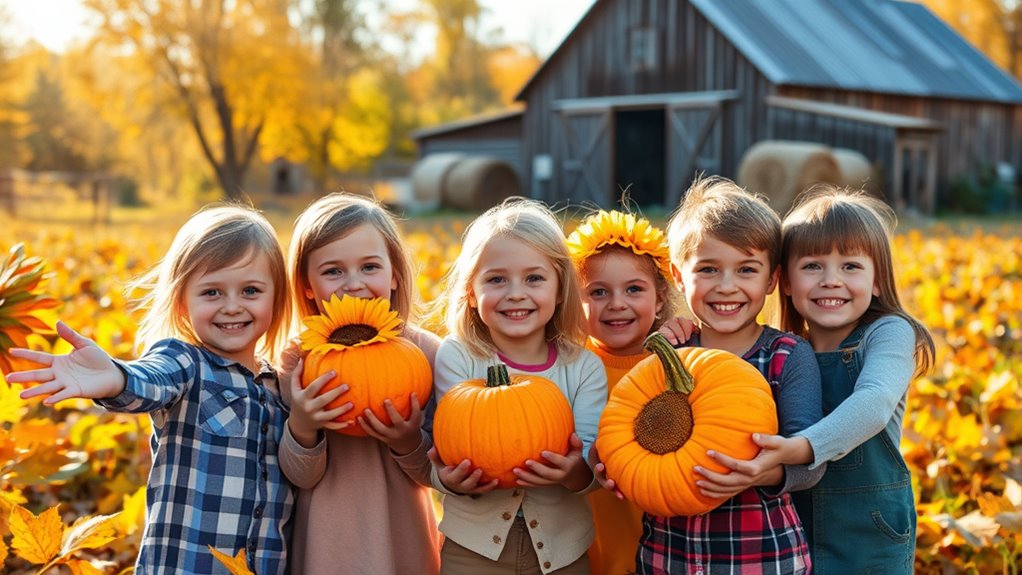
Have you ever wondered how harvest season offers a perfect opportunity to teach kids about gratitude? This time of year is rich with traditions that celebrate abundance and community, making it an ideal backdrop for instilling appreciation in children. You can start by exploring harvest traditions, which often include festivals, farmers’ markets, and family gatherings centered around giving thanks for the season’s bounty. These activities help kids see firsthand how different cultures honor the land’s gifts, fostering a sense of gratitude for the food and resources they might otherwise take for granted. As you participate in these traditions, encourage your children to ask questions about the significance behind each activity, helping them understand the importance of appreciating what they have.
Seasonal crafts are another engaging way to deepen their understanding of gratitude during this season. Gather natural materials like colorful leaves, gourds, corn husks, and acorns to create art projects that reflect the harvest. For example, you might make a gratitude tree, where each leaf represents something your family is thankful for. This visual reminder encourages kids to think about their blessings and express gratitude regularly. Crafting together also provides a moment to discuss the effort involved in growing and harvesting food, helping children develop a greater appreciation for farmers and laborers who work tirelessly to provide for communities. As you glue, paint, and assemble these crafts, talk about the significance of giving thanks and sharing abundance with others.
Create a gratitude tree with natural materials to teach kids appreciation and the value of sharing abundance.
You can also incorporate stories and songs related to harvest traditions and seasonal crafts into your routine. Sharing folktales or singing songs about harvest time can make the lessons more memorable and meaningful. These stories often highlight themes of gratitude, hard work, and community, reinforcing the lessons you’re teaching through hands-on activities. When kids see how different cultures celebrate and give thanks, they begin to understand that gratitude is a universal value that connects us all.
Throughout this season, create opportunities for your children to express their gratitude in practical ways. Encourage them to help with chores like preparing a meal with seasonal ingredients or donating leftover produce to a food bank. These actions teach them that gratitude isn’t just a feeling, but something that can be demonstrated through kindness and sharing. By combining harvest traditions, seasonal crafts, stories, and acts of giving, you turn this season into a meaningful time where kids learn that gratitude enriches their lives and strengthens their bonds with others.
harvest season gratitude craft kit for kids
As an affiliate, we earn on qualifying purchases.
As an affiliate, we earn on qualifying purchases.
Frequently Asked Questions
How Can I Involve Children in Harvest-Related Chores?
Think of your children as tiny harvesters, enthusiastic to help gather the fruits of your garden. You can involve them in garden activities like picking ripe vegetables or watering plants, turning chores into fun adventures. During harvest festivals, assign simple tasks such as carrying baskets or sorting produce. This hands-on involvement teaches them appreciation for the effort behind the bounty, making the season meaningful and memorable.
What Are Simple Ways to Teach Gratitude Daily?
You can teach gratitude daily through simple practices like gratitude journaling and daily thankfulness exercises. Encourage your kids to write down or share things they’re thankful for each day, fostering appreciation for everyday moments. Make it fun by discussing what they’re grateful for during meals or before bed. Consistent practice helps them recognize the good in their lives, nurturing a grateful attitude that lasts beyond harvest season.
How Do I Handle Ungrateful Behavior in Kids?
When kids display ungrateful behavior, you can address it by practicing gratitude journaling together and modeling appreciation daily. Encourage them to write or share what they’re thankful for, which helps shift their focus. Show gratitude through your own actions and words, demonstrating how appreciation looks. Consistent, positive reinforcement and gentle guidance help them develop a grateful mindset, making gratitude a natural part of their daily life.
Are There Age-Appropriate Gratitude Activities for Children?
Yes, you can engage your kids with age-appropriate gratitude activities like gratitude journaling, where they write or draw things they’re thankful for each day. Thankfulness crafts, such as making gratitude trees or thank-you cards, also work well. These activities are simple and fun, helping children recognize and express their appreciation while developing their understanding of gratitude in a hands-on way.
How Can I Connect Harvest Traditions to Gratitude Lessons?
Have you ever wondered how harvest traditions can teach gratitude? You can connect these lessons through harvest storytelling, sharing stories about gratitude and abundance, and gratitude crafts, like making thankful leaves or harvest wreaths. These activities help kids appreciate nature’s gifts and the importance of giving thanks. By weaving gratitude into harvest celebrations, you make the season meaningful and memorable, fostering gratitude naturally in young hearts.
Conclusion
As the harvest moon rises, remind your kids that gratitude is like planting seeds in their hearts, blooming into kindness and appreciation. Just as the season’s bounty feeds us, their thankful hearts nourish the world around them. When you teach them to cherish each gift, you help them grow into a garden of gratitude that lasts all year. Embrace this harvest season as a gentle reminder that gratitude is the sweetest fruit they’ll ever taste.
Evergreen bestsellers Picks
bestsellers
As an affiliate, we earn on qualifying purchases.