
TL;DR

Turn the school run and nap time into listening time
- Thousands of audiobooks, podcasts and originals
- Listen on your phone, tablet or Echo — also offline
- Cancel anytime
Kids’ ergonomic backpacks evenly distribute weight, reduce strain, and foster healthy posture. Focus on size, adjustable straps, and lightweight materials to keep your child comfortable and safe.
Think about the backpack your child wears every day. It’s more than just a bag — it’s a piece of equipment that can shape their health. A poorly chosen backpack can lead to back pain, shoulder strain, and posture problems that stick with them for years.
In this article, you’ll learn how to pick a backpack that supports your child’s growing body. We’ll explore what makes a backpack ergonomic, recent innovations, and real tips to keep your kid comfortable and safe on their daily journey to school.
Prioritize adjustable straps and padded back panels for proper fit and support.
Keep backpack weight below 10-15% of your child’s body weight to prevent health issues.
Look for lightweight, durable, eco-friendly materials combined with ergonomic design.
Regularly check for signs of discomfort or wear, and replace when necessary.
Safety features like reflective elements and sturdy zippers add extra protection.
How a Good Backpack Supports Healthy Posture
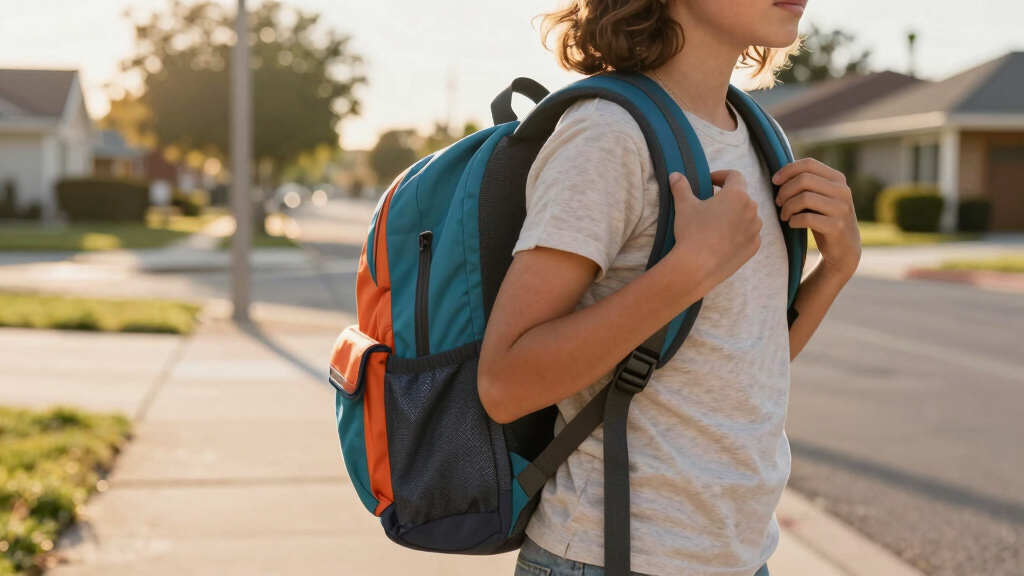
Kids’ ergonomic backpacks are designed to promote proper posture by evenly distributing weight across the back and shoulders. Imagine a backpack that molds to your child’s spine, reducing pressure on the neck and lower back. For example, a backpack with padded, adjustable straps helps keep the load close to their body, preventing slouching or leaning forward.
Parents often notice that children carrying heavy, unbalanced bags start hunching or complaining of shoulder aches. A well-designed ergonomic backpack minimizes these issues, making it easier for your child to carry their books without pain.
Why does this matter? When a backpack is poorly designed or improperly used, it can cause uneven strain on muscles and joints, leading to discomfort and even long-term postural problems. Conversely, a supportive backpack encourages correct alignment, which is crucial during the rapid growth phases in childhood. The tradeoff is that ergonomic features often add cost or weight; however, prioritizing health benefits over saving money or reducing weight can prevent costly health issues later.
As an affiliate, we earn on qualifying purchases.
The 3 Must-Have Features of Kids’ Ergonomic Backpacks
If you want a backpack that truly supports your child’s health, focus on these key features:
- Adjustable padded straps: Allow a perfect fit, preventing slipping or digging into shoulders. Proper adjustment ensures the load stays close to the body’s center of gravity, reducing strain and fatigue.
- Padded, contoured back panel: Provides support and comfort, following the natural curve of the spine. This design not only enhances comfort but also promotes proper spinal alignment, which is vital during growth spurts. The tradeoff is that thicker padding can add weight, so balance support with overall weight considerations.
- Multiple compartments and lightweight materials: Distribute weight evenly and reduce overall heaviness. Multiple compartments help organize contents efficiently, preventing overpacking of one area, which can imbalance the load and cause discomfort.
For example, a backpack with a built-in chest strap helps stabilize the load, while breathable mesh keeps your kid cool during long walks. These features collectively help in reducing the risk of musculoskeletal issues and increase comfort, but they must be balanced against potential added weight or complexity.
Comparison Table: Regular vs. Ergonomic Backpacks
| Feature | Regular Backpack | Ergonomic Backpack |
|---|---|---|
| Design focus | Looks and capacity | Posture support and weight distribution |
| Straps | Basic, often non-adjustable | Padded, adjustable, ergonomic shape |
| Back panel | Usually flat or minimal padding | Contoured, padded for support |
| Weight | Can be heavy due to materials | Focused on lightweight design |
How to Choose the Perfect Kids’ Ergonomic Backpack in 3 Steps
- Measure your child’s torso length: Use a soft tape to find where the shoulder straps should sit—just below the neck and above the hips.
- Check the weight limit: Ensure the backpack weighs less than 10-15% of your child’s body weight. For example, a 50-pound child shouldn’t carry more than 7.5 pounds.
- Test the fit and comfort: Have your child try it on. It should sit snugly against the back, with straps adjusted properly, and not cause any discomfort or slippage.
Why does proper fitting matter so much? When a backpack fits well, it distributes weight evenly, reducing localized pressure points that can cause discomfort or injury. Ill-fitting packs may shift during movement, leading to uneven strain on muscles and joints, which over time can cause pain or postural issues. The tradeoff is that achieving perfect fit requires adjustment and sometimes trial and error, but this investment in proper fit pays off in comfort and health.
Recent Innovations Making Backpacks Safer & Smarter
Kids’ ergonomic backpacks are evolving fast. Some now feature lightweight, eco-friendly fabrics that cut down weight without sacrificing durability. For example, brands are using recycled polyester that’s both sustainable and tough.
Others incorporate smart tech, like built-in sensors that warn if the bag gets too heavy or if the child’s posture starts to slip. Imagine a backpack that buzzes gently when it detects your kid slouching—helping them develop good habits early. These innovations are significant because they can actively alert both children and parents to potential issues before discomfort becomes a problem, fostering healthier habits and preventing injury.
Finally, modular designs let kids personalize compartments, making it easier to pack only what’s necessary and avoid overloads. These innovations turn simple backpacks into tools for healthy, tech-savvy kids, but the tradeoff may include higher costs and complexity that require some learning curve for proper use.
Why Proper Fit & Weight Matter More Than Fancy Features
Even the coolest ergonomic backpack won’t help if it doesn’t fit right or is too heavy. A backpack that’s too big or too small can cause uneven weight distribution, leading to back pain or poor posture. For example, a backpack that hangs too low or sits too high can shift the center of gravity, forcing the child to lean forward or sideways to compensate, which over time strains muscles and joints.
Similarly, a lightweight backpack with poor support defeats its purpose. Think of it like wearing shoes that look stylish but hurt your feet—comfort and support win over flash. The tradeoff is that lightweight, supportive backpacks might be more expensive or less fashionable, but investing in proper fit and weight management is crucial for long-term health.
According to pediatric experts, the key is balancing features, fit, and weight. When these elements are aligned, children are more likely to carry loads comfortably, maintain good posture, and avoid musculoskeletal problems, especially during rapid growth phases.
What Signs Indicate Your Kid’s Backpack Is Causing Trouble?
If your child complains of back pain, shoulder aches, or starts slouching, their backpack might be the culprit. Visible signs like uneven posture or red marks from straps are warning lights. But understanding the implications is key. Persistent discomfort or postural changes can indicate that the backpack is putting uneven stress on developing musculoskeletal structures, potentially leading to chronic issues if not addressed.
For example, if your 9-year-old suddenly starts leaning forward or holding their shoulders high, it’s a sign the pack may be too heavy or improperly fitted. Early intervention—like adjusting the straps or reducing load—can prevent long-term problems such as scoliosis or chronic back pain. Regularly checking for these signs and encouraging your child to carry only essentials helps maintain healthy posture and prevents overload.
Safety Features to Watch For When Picking a Backpack
Safety isn’t just about avoiding injuries—it’s about visibility and durability. Look for reflective strips, sturdy zippers, and secure straps. For example, a backpack with reflective accents on the front and sides helps your child stay visible during early mornings or late afternoons. These features are important because they can significantly reduce the risk of accidents in low-light conditions, especially in busy school zones.
Durable materials prevent tears and ensure the bag withstands daily wear. Secure straps keep everything in place, so your child isn’t constantly fussing with their pack while walking or running. The tradeoff is that more durable and reflective features may add to the cost but provide essential safety benefits, making them a worthwhile investment for peace of mind.
Choosing a backpack with these features means peace of mind, knowing your child is both comfortable and safe.
Frequently Asked Questions
How do I know if the backpack fits properly?
Have your child try on the backpack with all the straps adjusted. It should sit snugly against their back, with the bottom of the bag reaching just above the hips. The straps should be tight enough to stay in place but not so tight that they cause discomfort.
Can a backpack be too lightweight to offer support?
Yes. A backpack made from ultra-light materials may lack necessary padding and support, which defeats the purpose. Look for a balance: lightweight but with enough padding and structure to support your child’s back properly.
Are smart backpacks worth the extra cost?
Smart backpacks with features like weight sensors or posture tracking can help develop good habits early, especially if your child is prone to overpacking. While not essential, they add an extra layer of safety and awareness that many parents find valuable.
How often should I replace my child’s backpack?
Replace it when it shows signs of wear, no longer fits properly, or your child reports discomfort. Usually, a good backpack lasts about a year or two with regular use and proper care.
Conclusion
Choosing a kids’ ergonomic backpack isn’t about style — it’s about health. A well-fitting, lightweight pack supports your child’s growth and keeps them comfortable all day long. Think of it as giving their back a gentle hug every morning, setting them up for a pain-free future.
Next time you shop, focus on fit, weight, and safety. Your child’s posture and well-being are worth it. After all, a happy back makes for a happy school day.
Cold & flu season Picks
humidifiers
As an affiliate, we earn on qualifying purchases.