
To teach kids to be good houseguests before summer travel, start by explaining basic manners like saying “please” and “thank you,” and respecting the host’s rules and boundaries. Practice polite greetings, listening carefully, and asking permission before doing things. Role-play scenarios to reinforce respectful behavior and discuss personal space and chores. Encourage them to be considerate of the environment and others’ comfort. Keep guiding them, and you’ll find they’ll become thoughtful guests during summer visits.
Key Takeaways
- Discuss house rules and expectations with children before the visit to ensure understanding and compliance.
- Practice polite greetings, asking permission, and expressing gratitude through role-playing activities.
- Teach children to respect personal boundaries and routines of the host’s household.
- Encourage helpful behaviors like tidying up and assisting with chores to make a positive impression.
- Emphasize mindfulness about environment and comfort, including indoor air quality and shared space consideration.
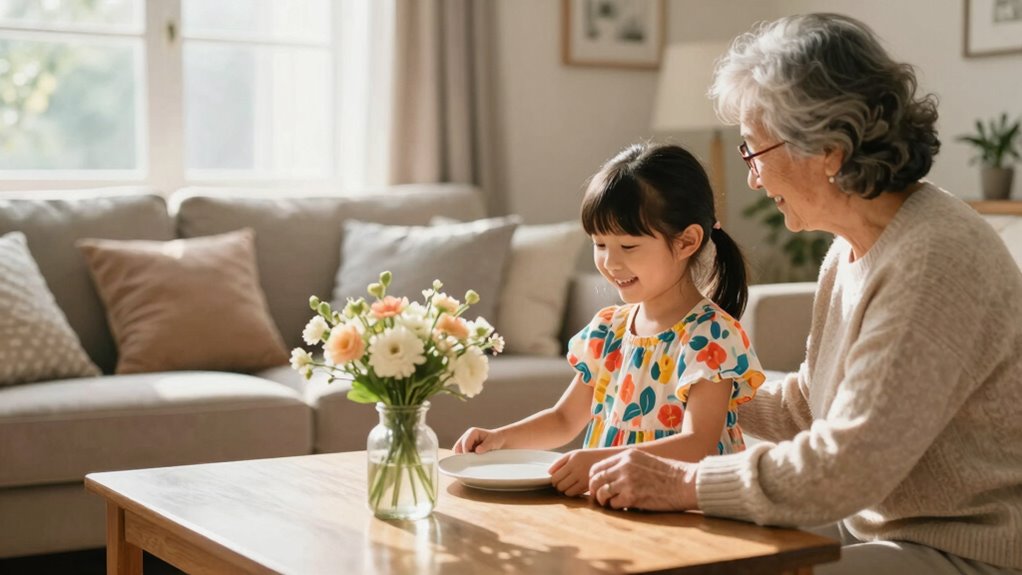
Having good manners as a houseguest makes visits more enjoyable for everyone involved. When you teach your kids about guest etiquette, you’re helping them understand how to behave respectfully and considerately during visits. Kids often pick up behaviors quickly when they see them modeled by adults, so it’s important to set clear expectations beforehand. Start by explaining that being a good houseguest means listening to your host’s rules and being polite in all your interactions. Encourage your children to ask before doing anything, whether it’s using the bathroom, grabbing a snack, or changing the TV channel. Remind them that respecting boundaries isn’t just about following rules but about being considerate of others’ comfort and privacy.
You can teach your kids that guest etiquette involves simple acts like saying “please” and “thank you,” helping out with chores, and keeping their voices at an appropriate level. Show them that small gestures, like offering to help set the table or tidying up after themselves, make a big difference. When your children understand that their behavior impacts how comfortable their hosts feel, they’re more likely to act thoughtfully. Reinforce that respecting boundaries also means giving your host space and not overstepping personal limits—whether that’s not going through their personal belongings or respecting their routines. Additionally, teaching kids about guest etiquette — which includes understanding cultural norms and expectations — can help them navigate different environments more smoothly. Teaching children about biodiversity and its importance can also be beneficial, especially when discussing respectful interactions with nature and outdoor environments during visits.
Introducing the concept of indoor air quality can also be valuable, especially if the visit involves spending extended time indoors, so they understand the importance of a healthy environment. It’s helpful to discuss how air circulation affects everyone’s comfort and health, encouraging your kids to be mindful of their surroundings. Before your trip, have a discussion with your kids about what to expect and review basic manners. Role-playing can be especially effective here. Practice scenarios like greeting the host warmly, asking permission to do things, or saying goodbye politely. Explain that good manners aren’t just about manners for manners’ sake but about making everyone feel comfortable and appreciated. Emphasize that listening to their host’s instructions and respecting their home shows gratitude and consideration.
You might also find it useful to teach your children about personal boundaries, which are essential for fostering respectful interactions and ensuring everyone’s comfort. It’s also helpful to set some ground rules tailored to the specific environment they’ll be visiting. For example, if your hosts prefer no shoes inside, remind your kids to adhere to that rule. If they need to be quiet during certain times, reinforce that expectation. By clearly communicating these boundaries beforehand, your kids will be better prepared to behave appropriately. Remember, the goal is to teach them that good guest etiquette and respecting boundaries aren’t just about rules—they’re about kindness, understanding, and making the visit pleasant for everyone involved. When your children understand this, they’ll naturally become more considerate houseguests, making your summer travels smoother and more enjoyable for all.
As an affiliate, we earn on qualifying purchases.
Frequently Asked Questions
How Early Should I Start Teaching Kids About Houseguest Etiquette?
You should start teaching kids about guest behavior and preparation tips at least a few weeks before summer travel. Early lessons give them time to understand expectations, practice good manners, and ask questions. Use role-playing and simple explanations to reinforce politeness, sharing, and respecting your host’s space. The sooner they learn, the more confident they’ll be, ensuring everyone has a pleasant experience and your kids become considerate houseguests.
What Are Some Fun Ways to Teach Kids Manners at Someone Else’s House?
You can turn teaching manners into a fun game where your kids act out polite greetings or practice respecting personal space with exaggerated, silly gestures. Play “Manners Charades,” where they act out different behaviors, or create a “Respecting Personal Space” dance, making boundaries obvious and entertaining. These activities help kids learn polite greetings and respecting personal space while having a blast, making good manners feel like an exciting adventure rather than a chore.
How Can I Ensure Kids Respect Different Household Rules?
You can guarantee kids respect different household rules by explaining cultural sensitivities and privacy boundaries upfront. Encourage open conversations about what’s expected, and remind them to observe the hosts’ customs and personal space. Use role-playing to practice respectful behaviors, and praise their efforts. Setting clear boundaries beforehand helps kids understand that respecting these differences shows kindness and makes everyone feel comfortable, fostering positive interactions during your visit.
What Are Common Mistakes Kids Make as Houseguests?
Imagine your child’s guest behavior as a delicate dance—sometimes they step on toes. Common mistakes include forgetting to say thank you, invading personal space, or not respecting household rules. Etiquette mistakes like leaving messes or being noisy can turn a warm welcome into a cold shoulder. Teach them to observe, listen, and adapt, so their manners shine brighter than a summer sun, making every visit a joyful dance.
How Do I Handle Disagreements Between Kids and Hosts?
When disagreements happen, address guest behavior calmly and promptly, encouraging kids and hosts to express their feelings respectfully. Use conflict resolution techniques like active listening and finding common ground. Remind kids to stay polite, apologize if needed, and focus on understanding each other’s perspectives. This approach helps resolve issues peacefully, ensuring everyone feels respected and comfortable during the visit. Clear communication is key to maintaining positive relationships.
Conclusion
Remember, guiding your kids to be considerate houseguests helps them learn respect and kindness, qualities that shine through even when they’re in unfamiliar settings. By teaching them to be thoughtful and gracious, you’re helping shape their character in subtle yet meaningful ways. When they understand the importance of good manners and boundaries, they naturally become the kind of guests others appreciate. After all, a little kindness can turn any visit into a truly memorable experience for everyone involved.