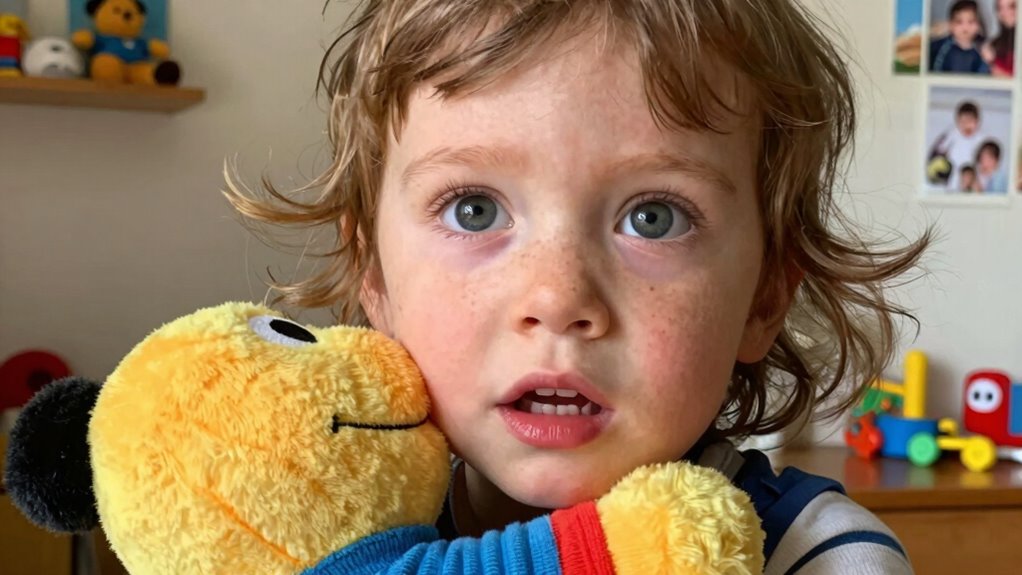

When your child’s loose teeth start falling out quickly, it’s helpful to stay calm and talk openly. Reassure them that losing teeth is a normal part of growing up and that everyone has their own timeline. Use simple, honest language, and add humor or stories to make it feel less scary. Remind them to care for their new teeth and celebrate each milestone. Keep the conversation positive; if you stay supportive, they’ll feel more confident about growing up.

Turn the school run and nap time into listening time
- Thousands of audiobooks, podcasts and originals
- Listen on your phone, tablet or Echo — also offline
- Cancel anytime
Key Takeaways
- Reassure children that losing teeth is a natural part of growing up and signals healthy development.
- Use simple, honest language to normalize the experience and address any worries or questions calmly.
- Explain that new, stronger adult teeth will replace the baby teeth, emphasizing good oral hygiene.
- Connect tooth loss to broader growth processes, highlighting that everyone develops at their own pace.
- Celebrate milestones and encourage patience, fostering confidence and positive attitudes about growing up.
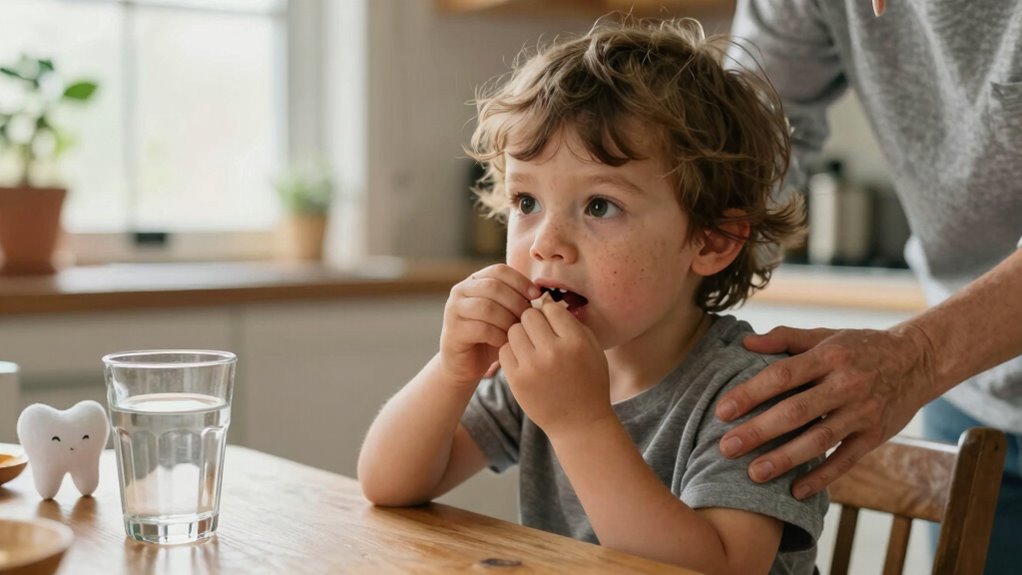
Talking to kids about growing up can feel intimidating, but it’s an essential part of helping them navigate changes confidently. When their loose teeth start falling fast, it’s natural for both of you to feel a mix of excitement and uncertainty. This is a prime opportunity to talk openly about teeth independence and other childhood changes. Your child might be curious or even a little worried about what’s happening to their body, and your calm, honest approach can make all the difference.
Start by acknowledging how normal it is to lose teeth and that it’s a sign they’re growing up. You might say, “Losing teeth means your body is changing, and that’s a big part of growing up.” This helps normalize the experience and reassures them that what they’re going through is natural. Kids often worry about how it feels or if it hurts, so be ready to answer their questions without dismissing their feelings. Explain that as their teeth get loose, they might feel some wiggle or slight discomfort, but that it’s all part of the process.
Use the opportunity to discuss teeth independence—how their new, adult teeth will eventually replace the baby teeth, and they’ll need to take care of them just like they do now. Emphasize good oral hygiene, like brushing twice a day and visiting the dentist regularly. This helps them understand that their teeth are now a little more special, yet still need their attention. Reinforcing that they’re responsible for their smile can boost their confidence and foster a sense of independence.
Remember that childhood milestones like losing teeth are connected to biodiversity and natural processes, illustrating how changes are a normal part of growth in many areas of life. These natural processes show how diverse and interconnected biological systems are, helping children appreciate the bigger picture of growth. Recognizing that growth stages are different for everyone can help reduce anxiety—knowing that some children lose teeth early while others later is perfectly okay. In fact, understanding that growth and development follow individual timelines can ease worries about being “ahead” or “behind” peers. It’s also helpful to teach children about the importance of patience and understanding that biological variability is a natural part of development. As your child’s childhood changes unfold, remind them that everyone’s timeline is different. Some children lose teeth early, others later, and that’s perfectly okay. It’s important to celebrate these small milestones without making them feel anxious about being “ahead” or “behind.” Keep the conversation light but informative, and use humor or stories if it helps make the topic less serious.
As an affiliate, we earn on qualifying purchases.
Frequently Asked Questions
How Can I Tell if My Child’s Loose Teeth Are Healthy?
You can tell if your child’s loose teeth are healthy by observing their tooth development and dental hygiene. Healthy loose teeth usually wiggle easily without pain or bleeding. Make sure your child maintains good dental hygiene by brushing twice daily and avoiding sugary foods. If the tooth looks discolored, swollen, or causes discomfort, consult a dentist. Regular dental checkups help monitor tooth development and ensure their loose teeth are healthy and falling out naturally.
What Should I Do if My Child Is Scared of Losing Teeth?
If your child is scared of losing teeth, comfort them by sharing positive teething milestones and exciting tooth fairy conversations. Reassure them that losing teeth is a natural part of growing up and emphasize the fun of new adventures ahead. Use parallel stories about their first tooth and upcoming milestones to build confidence, helping them see the experience as something special rather than scary. Stay calm, supportive, and encouraging throughout.
When Is the Right Time for a Child to Visit the Dentist?
You should schedule your child’s first dentist visit by their first birthday or within six months of their first tooth emerging. This early visit helps establish healthy habits and alleviates concerns about growing up milestones. As they lose teeth and experience tooth fairy traditions, regular checkups ensure their teeth stay healthy. Visiting the dentist early builds confidence, making growing up milestones smoother and less scary for your child.
How Do I Handle Peer Teasing About Losing Teeth?
Did you know that nearly 60% of kids face teasing about losing teeth? To handle peer teasing, use gentle teasing strategies yourself, showing your child how to respond confidently. Encourage them to stay calm and remember that peer reactions often reflect their own insecurities. Teach them to laugh it off or change the subject. Your support helps your child build resilience and handle teasing with confidence.
Are There Any Special Dental Care Tips for Loose Teeth?
You should gently clean loose teeth with a soft-bristled toothbrush and avoid forcing them out. Encourage your child to eat soft foods and maintain good oral hygiene to support dental growth milestones. Share fun Tooth Fairy traditions to make the experience positive. Regular dental checkups are essential to monitor the loose tooth’s progress and guarantee healthy development, helping your child feel confident and supported during this exciting milestone.
Conclusion
As your child’s loose teeth fall away, think of it like a garden shedding old leaves to make room for new growth. Embrace these moments as opportunities to nurture their understanding and confidence. By talking openly, you help them see that growing up is a natural part of life’s beautiful cycle. Remember, your reassurance is the sunlight that helps them blossom into the wonderful person they’re becoming. Together, you’re planting seeds for their bright future.
Columbus Day / Indigenous Peoples' Day Picks
long weekend sales
As an affiliate, we earn on qualifying purchases.