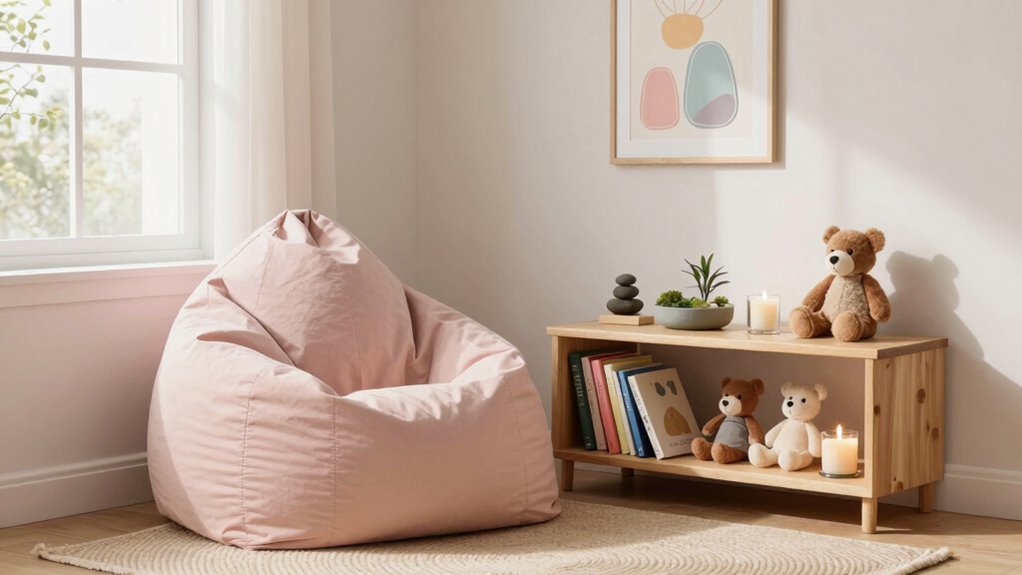

You can create a calm-down corner at home as a safe space for your child to regulate emotions and build self-awareness. Choose a quiet, cozy spot and fill it with soft lighting, sensory toys, plush cushions, and calming visuals. Keep it inviting, clutter-free, and tailored to your child’s interests. Consistently introduce and reinforce its use during calm moments. If you keep exploring, you’ll discover how to customize and maintain this supportive space over time.
Key Takeaways
- Parents recommend the calm-down corner for its effectiveness in helping children self-regulate emotions independently.
- It provides a safe, personalized space that encourages emotional growth without punishment or shame.
- Regular updates and thoughtful design keep the space engaging and supportive of children’s changing needs.
- Consistent routines and visual cues foster familiarity, making children more willing to use the corner calmly.
- Using calming elements like sensory toys and soft lighting creates a soothing environment that resonates with parents and children alike.

Super Z Outlet Liquid Motion Bubbler for Sensory Play, Fidget Toy, Children Activity, Desk Top, Assorted Colors (1 Piece)
- Soothing, Mesmerizing Bubble Motion: Gravity-guided colorful droplets for visual tracking
- Calming Sensory and Hyperactivity Aid: Rhythmic drops help with sensory issues and focus
- Reusable Stress Relief Toy: Flip to restart for endless calming entertainment
As an affiliate, we earn on qualifying purchases.
As an affiliate, we earn on qualifying purchases.
What Is a Calm-Down Corner and Why Is It So Effective?
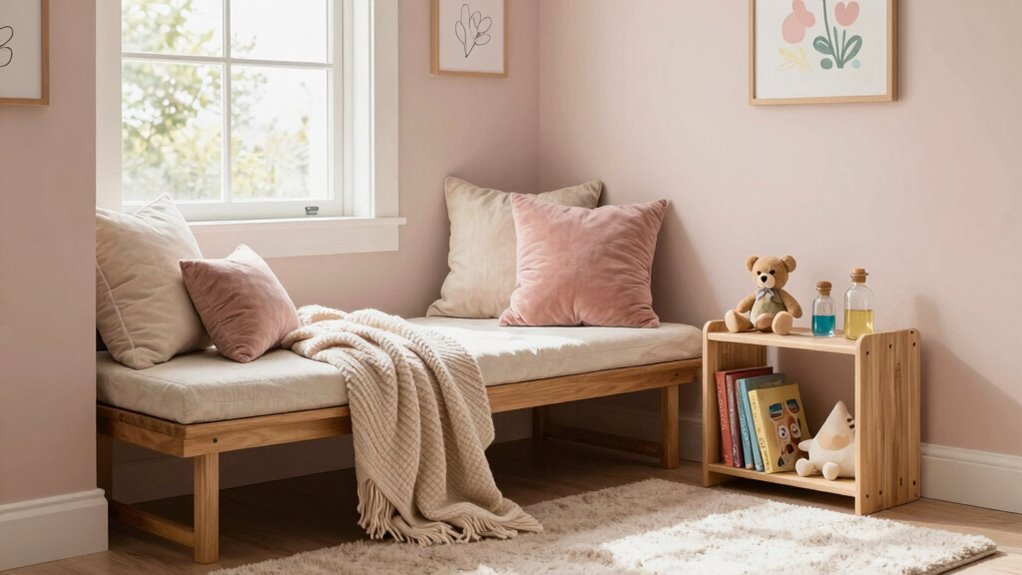
A calm-down corner is a designated space where children can go to regain control of their emotions when they feel overwhelmed. It’s a safe environment that encourages emotional regulation by giving kids a quiet place to pause and collect themselves. As a parent, your communication plays a key role here—gently guiding your child to understand their feelings and use the corner when needed. Creating this space can also serve as an opportunity to teach children about emotional resilience, helping them build long-term coping skills. This space helps children recognize their emotional triggers and develop self-awareness. Over time, they learn to manage intense feelings independently. The calm-down corner isn’t about punishment; it’s about teaching emotional resilience. By creating this dedicated spot, you support your child’s emotional growth while fostering open parent communication about feelings and coping strategies. Additionally, understanding the importance of contrast ratio in visual clarity can be metaphorically linked to helping children distinguish between different emotional states, making the concept of emotional regulation more tangible and spiritually aligned. Incorporating calming elements like soft lighting, soothing sounds, or sensory toys can enhance the effectiveness of the space, grounded in sound healing science principles. Recognizing the significance of visual clarity can help you design a more effective and inviting environment.
How to Choose the Best Spot for Your Child’s Calm-Down Corner
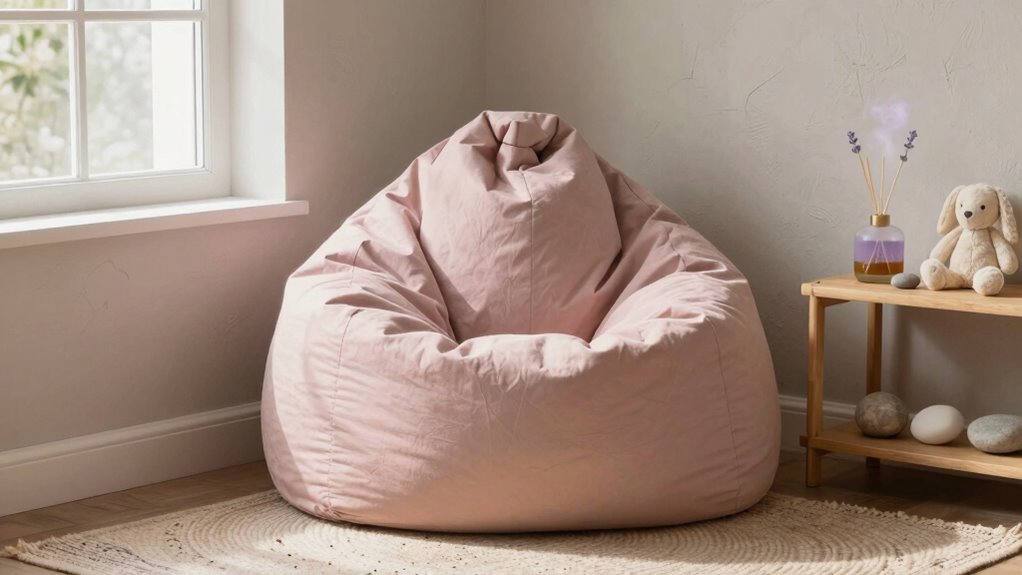
Choosing the right spot for your child’s calm-down corner is key, so look for a quiet, low-traffic area that feels peaceful. Make sure it’s accessible and safe, so your child can easily reach it whenever needed. Personalize the space with items that bring comfort and make it inviting for your child to use. Incorporating blogging growth strategies, like adding a small bulletin board for personalized visuals or calming visuals, can help create a more engaging and soothing environment.
Quiet, Low-Traffic Area
To create an effective calm-down corner, selecting a quiet, low-traffic area is essential. Look for a spot in your home away from busy hallways, play areas, or common spaces. This helps your child feel safe and less overstimulated. A calm environment encourages mindfulness techniques, helping your child learn to regulate emotions. Keep sensory toys nearby to provide tactile comfort and focus. Avoid high-traffic zones that make it hard to relax or focus. Choose a corner with minimal noise and distractions, such as a nook in a bedroom or a quiet corner in the living room. This peaceful setting allows your child to settle more easily and develop calming routines without interruptions.
Accessible and Safe Space
Since accessibility is key to helping your child use the calm-down corner effectively, you should select a spot that’s easy for them to reach without assistance. Choose a safe area away from sharp edges or clutter, ensuring it’s child-proofed. Incorporate calming elements like soft lighting and a cozy seat to make the space inviting. To enhance relaxation, consider incorporating music therapy—gentle tunes can soothe nerves and promote emotional regulation. Aromatherapy benefits, such as calming scents like lavender, can also help your child relax more quickly. Make sure all items are within your child’s reach and easy to operate, so they feel empowered to use the space independently. An accessible, safe, and sensory-friendly corner encourages your child to calm down calmly and confidently. Using water-cooled mattress pads and dehumidifiers in the room can help create a comfortable environment that promotes relaxation.
Personalize for Comfort
Selecting the right spot for your child’s calm-down corner means tailoring the space to their unique preferences and needs. Consider what makes them feel safe and comfortable, like soft lighting or familiar blankets. You can include sensory toys to engage their senses and encourage mindfulness techniques, such as deep breathing or calming visuals. To visualize, imagine this setup:
| Cozy corner with soft cushions | Sensory toys like textured balls | Gentle lighting or a small lamp |
|---|---|---|
| Comfortable seating | Calm-down visuals or calming books | Quiet, low-traffic area |
This personalized space helps your child feel at ease, making it easier for them to self-regulate and relax when needed. Adjust the elements based on what soothes and supports their emotional well-being. Creating a calm environment that aligns with their individual sensory preferences can significantly enhance their ability to self-soothe.
Essential Elements to Include in Your Calm-Down Space
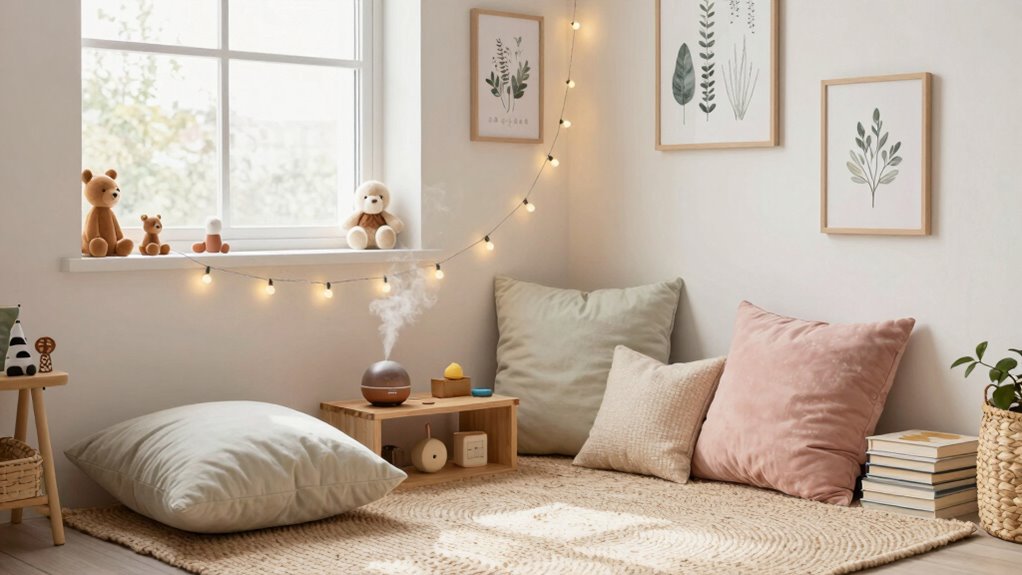
Creating an effective calm-down space starts with including key elements that promote comfort and relaxation. Incorporate mindfulness exercises to help your child focus on their breathing or sensations, fostering self-awareness. Sensory tools like soft textures, calming scents, or gentle lights can engage their senses and promote calmness. Keep these tools accessible so your child can choose what helps them most. Visual aids, such as calming images or simple charts, can remind them of calming strategies. It’s essential to create a space that feels safe and non-judgmental, where your child can reset and regain control. By thoughtfully selecting mindfulness exercises and sensory tools, you provide a supportive environment that encourages self-regulation and emotional resilience. Additionally, understanding how to maintain car safety can help you stay prepared for unexpected situations.
Creating a Cozy, Inviting Environment That Promotes Calm
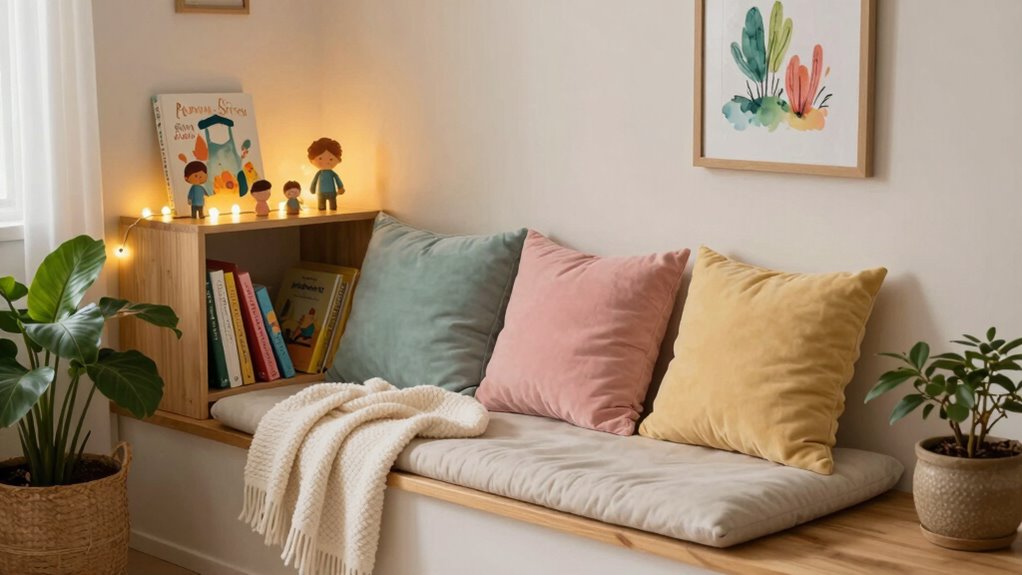
A cozy, inviting environment naturally encourages children to relax and feel safe when they need a calm-down space. To create this, choose soft lighting, comfortable seating, and calming colors. Keep the space free of clutter and distractions, especially technology, which can increase overstimulation. If sibling rivalry causes conflicts, set up the corner as a neutral zone where children can regain composure without competition. Personalize the area with soothing items like plush toys or calming visuals, making it welcoming. Incorporating landscaping elements around the space can also promote a sense of tranquility and connection with nature. This environment helps children associate the space with comfort, reducing their stress and encouraging self-regulation. Implementing privacy policies and transparent communication about the space can foster trust and comfort for children and parents alike. By designing a calm, cozy corner, you give your child a safe retreat to decompress and regain emotional balance.
When and How to Introduce the Calm-Down Corner to Your Child
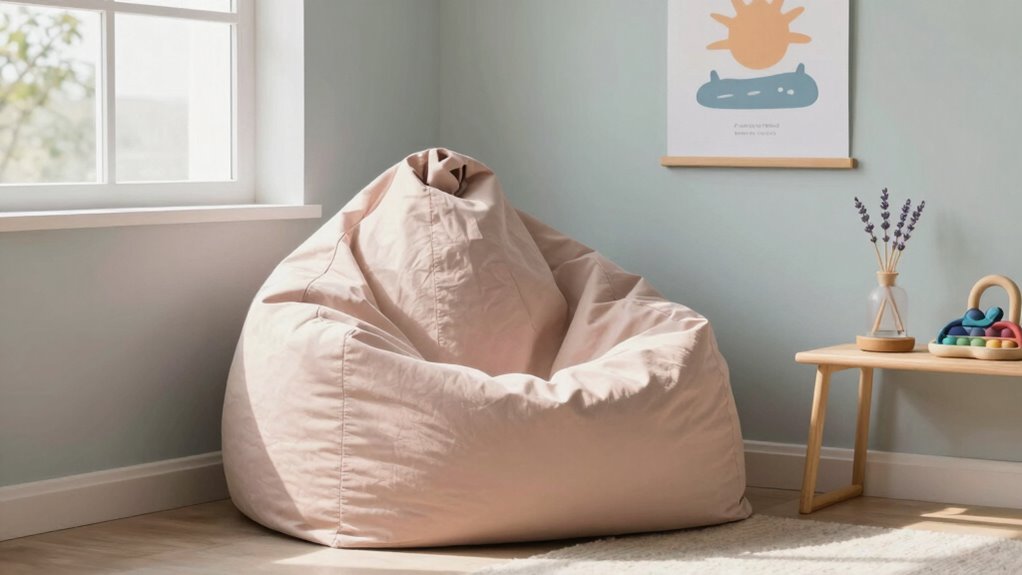
Introducing the calm-down corner at the right time is key to helping your child see it as a helpful tool rather than a punishment. Choose a moment when your child is calm and receptive to conversation. Use simple, clear parent communication to explain that the corner is a space for them to regain control when feelings become overwhelming. Emphasize that emotional regulation is part of growing up, and the corner is there to support them, not punish. Modeling calmness yourself can reinforce this message. When you introduce it, do so gently and positively, highlighting that everyone needs a break sometimes. This approach helps your child understand the purpose of the corner and encourages them to use it independently when they need to manage their emotions.
Helping Your Child Use the Calm-Down Corner Independently
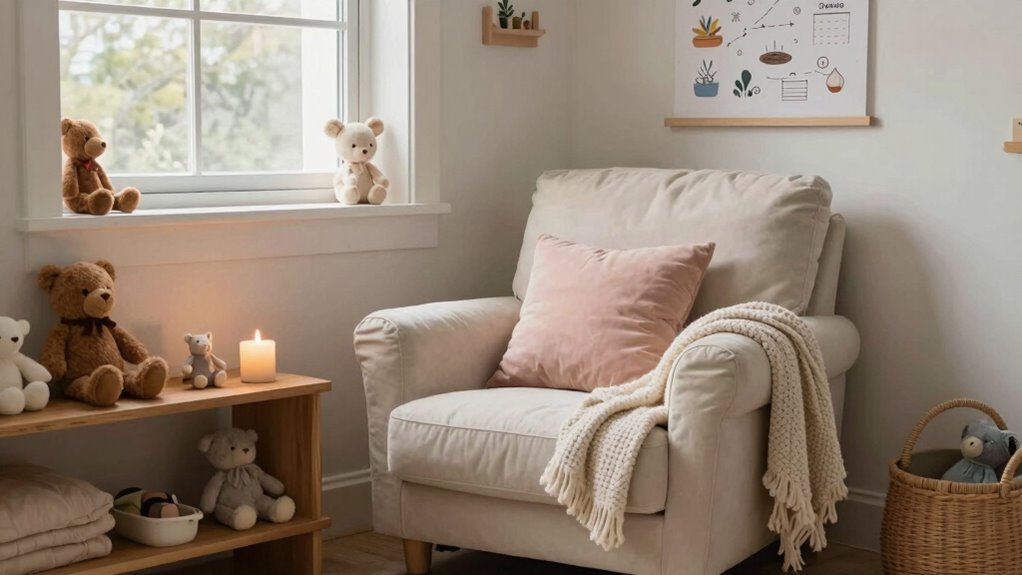
To help your child use the calm-down corner independently, focus on building their confidence with clear instructions and encouragement. Establish a consistent routine so they know what to expect each time they visit. This consistency will make it easier for your child to feel secure and self-sufficient in managing their emotions. Incorporating simple cleaning strategies can also teach them responsibility and help maintain a calming environment. Creating a well-designed space that is both functional and inviting can further support their independence and comfort. Additionally, teaching them basic gear care tips can empower them to take ownership of their belongings and foster a sense of pride in their space. Paying attention to cabling solutions and ensuring proper setup can also enhance the overall safety and functionality of their calming environment.
Building Confidence in Use
Helping your child feel confident using the Calm-Down Corner independently starts with consistent practice and positive reinforcement. Use parenting techniques that focus on building emotional intelligence, helping your child recognize and manage feelings. To boost confidence, you can:
- Praise small successes, like choosing to go to the corner when upset.
- Offer gentle guidance to encourage independence without pressure.
- Create visual cues or charts to help your child remember steps for calming down.
- Incorporate ergonomic principles into the design of the space to enhance comfort and support relaxation. Additionally, integrating AI-driven tools can provide personalized prompts or calming strategies tailored to your child’s needs. Paying attention to the home environment and its influence on emotional regulation can further support your child’s comfort and independence. By creating a space that is both physically and emotionally supportive, you help foster a sense of safety and trust for your child. Recognizing the importance of a comfortable and well-designed space can make a significant difference in your child’s ability to use the corner effectively.
These strategies help your child associate the Calm-Down Corner with comfort and control. Repeating positive experiences reinforces their trust in the space, fostering autonomy. Over time, your child will feel more capable of using the corner independently, strengthening their emotional regulation skills and confidence.
Establishing Consistent Routine
Have you established a consistent routine for your child’s use of the Calm-Down Corner? A predictable schedule helps your child develop emotional regulation and feel secure. Consistency builds confidence in their ability to manage feelings independently. Incorporate parenting strategies like setting specific times and clear expectations. To make it engaging, try using the table below to plan your routine:
| Time | Activity | Notes |
|---|---|---|
| After a meltdown | Guide child to the Calm-Down Corner | Remind them it’s a safe space |
| During calm periods | Reinforce independence | Encourage self-regulation |
| End of session | Discuss feelings and next steps | Validate emotions |
Additionally, understanding the importance of emotional regulation can help you tailor your approach to support your child’s development. A steady routine makes the Calm-Down Corner a trusted tool in your emotional regulation strategy.
Troubleshooting: What to Do If Your Child Doesn’t Want to Use the Corner?
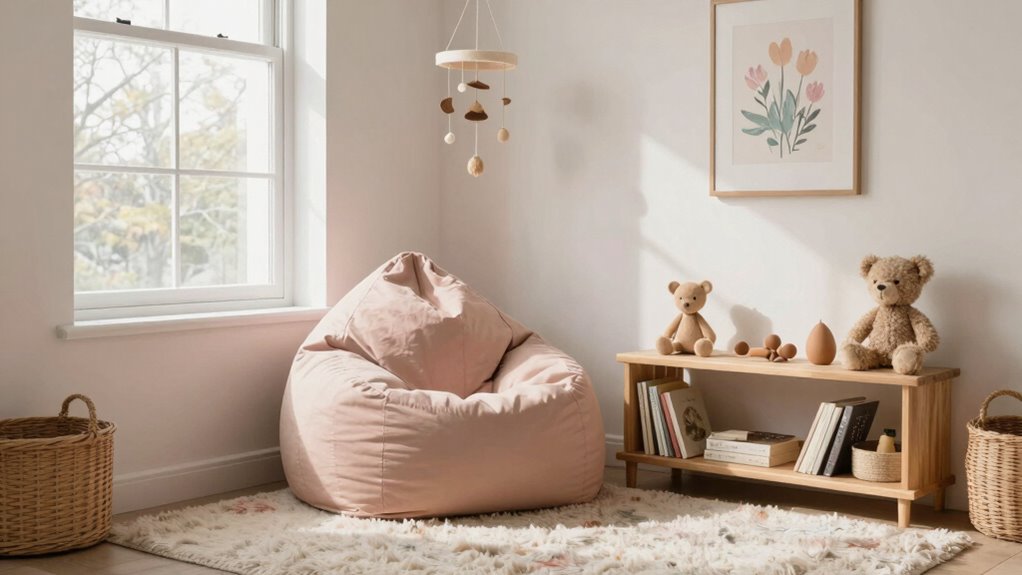
When your child resists using the Calm-Down Corner, it’s important to understand their perspective and address their feelings. Child resistance is common, but you can try alternative strategies to help them feel comfortable. First, ask your child what makes the corner unappealing—maybe it’s too quiet or feels isolating. Second, involve them in customizing the space—add their favorite toys or a cozy blanket. Third, offer choices: “Would you like to sit here or on the couch?” Giving options empowers your child and reduces resistance. Remember, patience and flexibility are key. These steps help your child feel heard and supported, making it easier for them to accept the Calm-Down Corner as a helpful tool rather than a punishment. Additionally, understanding that the resale value of tools like a Calm-Down Corner can be influenced by how comfortable and personalized it feels may motivate you to tailor the space to your child’s preferences.
Real-Life Success Stories: Transforming Households With a Calm-Down Corner
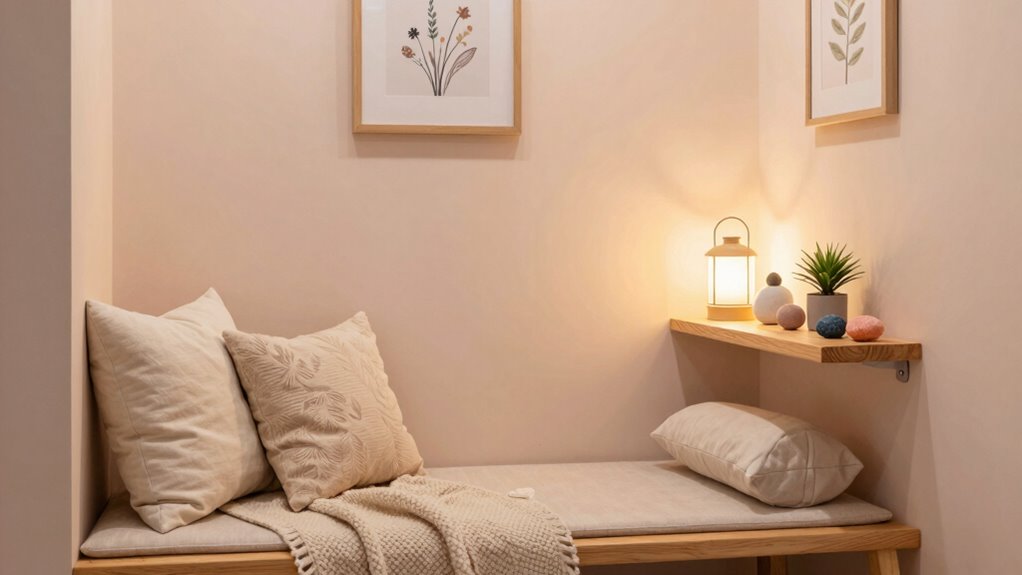
Many families have seen remarkable changes after introducing a Calm-Down Corner into their homes. By incorporating this space into their parenting strategies, parents notice improved emotional regulation for their children. One family shared how their toddler now uses the corner to calm down after meltdowns, helping everyone stay more patient and understanding. Another parent mentioned that their older child learns to recognize feelings and take responsibility for calming themselves. As a result, household tension decreases, and communication improves. These success stories show that a dedicated Calm-Down Corner isn’t just a calming space but a tool to teach emotional regulation skills. Creating a designated quiet space can further support children’s ability to self-regulate. Incorporating home-care techniques like consistent routines and calming tools can enhance the effectiveness of the corner. Additionally, integrating luxurious relaxation items such as soft cushions, calming lighting, or soothing scents can make the space more inviting and effective. With consistency, you’ll see your children develop better self-control, making daily routines smoother for the whole family.
Different Calm-Down Corner Ideas for Various Ages and Needs
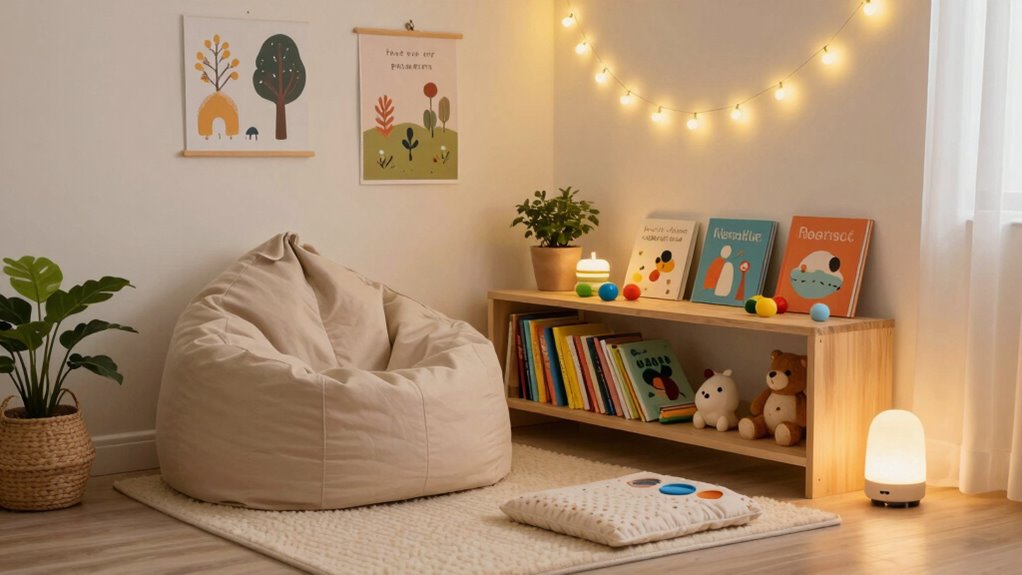
Different age groups and individual needs call for tailored Calm-Down Corner setups. For toddlers, include soft plush toys and sensory bottles filled with glitter or beads to engage their senses. For preschoolers, add mindfulness techniques like breathing balloons or calming visuals, along with textured mats for sensory activities. Older children benefit from quiet reading zones, calming music, or stress balls to help them regulate emotions. Think about incorporating items like:
- Sensory bottles and textured materials
- Mindfulness tools such as breathing exercises or visual aids
- Soft lighting and calming visuals to create a soothing environment
Adjust the space to meet developmental needs, encouraging relaxation and emotional regulation through sensory activities and mindfulness techniques suitable for each age.
How to Maintain and Evolve Your Child’s Calm-Down Space Over Time
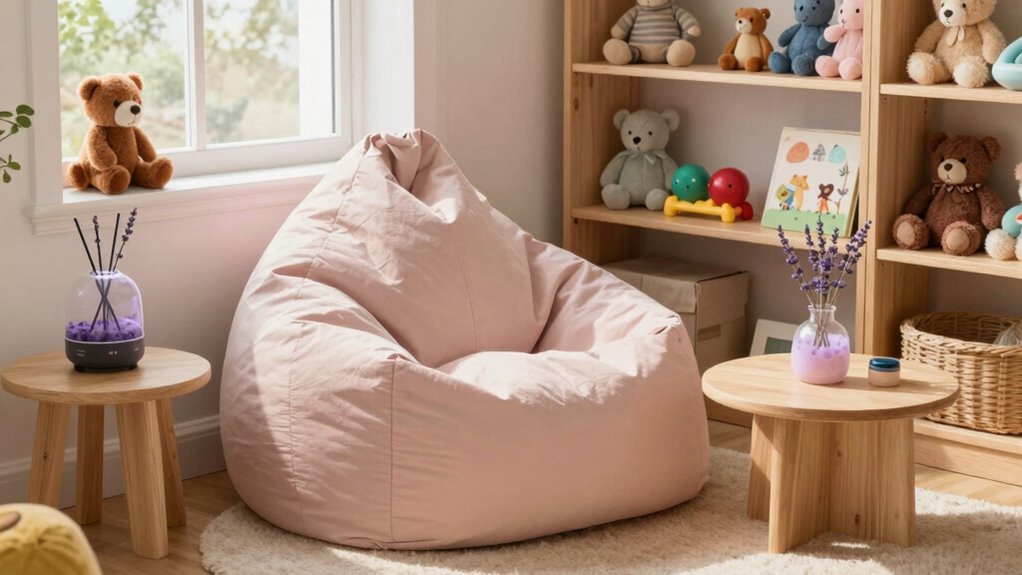
To keep your child’s Calm-Down Corner effective, regularly refresh the decor to keep it inviting. Add new comfort items as your child’s preferences change, and adjust the space as they grow. This way, the space remains a supportive and engaging retreat over time.
Refresh Decor Periodically
As your child grows and their needs change, updating the decor of their calm-down corner keeps the space inviting and effective. Regular decor updates keep the environment fresh and engaging. Consider swapping out worn or outdated items, like faded sensory toys, with new ones that stimulate your child’s senses. To refresh the space, you might:
- Replace old plush cushions or mats with new, colorful options.
- Switch out posters or artwork to reflect your child’s current interests.
- Add or change sensory toys to keep the space exciting and engaging.
These small updates can make a big difference in maintaining your child’s interest and comfort. Keeping the decor fresh encourages your child to use their calm-down corner consistently, supporting emotional regulation over time.
Incorporate New Comfort Items
Introducing new comfort items into your child’s calm-down corner guarantees the space continues to meet their evolving needs and preferences. Over time, children develop new ways to self-regulate, so updating sensory tools like textured fabrics, calming lights, or soft toys can help maintain their interest and effectiveness. Incorporate mindfulness techniques by adding items such as calming jars, scented oils, or guided relaxation cards. Regularly rotating these items keeps the space engaging and relevant, encouraging your child to use it when needed. Observe which tools resonate most and swap out those that no longer seem helpful. By advancing the comfort items, you support your child’s emotional growth and ensure the calm-down corner remains a safe, inviting space for calming down whenever they need it.
Adjust Space for Growth
Updating the layout and features of your child’s calm-down corner guarantees it continues to support their emotional development as they grow. As your child advances, their needs for emotional regulation and sensory integration change. You might add new calming tools, like textured fabrics or noise-canceling headphones, to match their evolving preferences. To adapt the space, consider:
- Adding height-adjustable seating for better comfort and sensory input
- Incorporating different sensory stimuli such as soft lighting or calming scents
- Creating designated zones for quiet reflection or active sensory play
These updates help your child develop better emotional regulation skills and assure the space remains a safe, supportive environment for their growth. Regularly evolving the calm-down corner keeps it relevant and engaging.
Frequently Asked Questions
How Long Should My Child Stay in the Calm-Down Corner?
You should let your child stay in the calm-down corner until they feel emotionally regulated, which can vary based on their individual needs and sensory sensitivities. Usually, this might range from a few minutes to around 10-15 minutes. Watch for signs they’re calming down and ready to re-engage. It’s important to support their sensory needs and teach them to recognize when they’re ready to return to normal activities.
Can Calm-Down Corners Be Used for Older Children?
Think of calm-down corners as your modern-day sanctuary, like a knight’s retreat. Yes, they can be used for older children, including teenagers, to respect their privacy and foster emotional independence. You adapt the space to suit their needs, ensuring it’s a quiet zone where they can process feelings. This approach encourages self-regulation, helping teens develop coping skills while respecting their growing need for autonomy and personal space.
What if My Child Refuses to Use the Calm-Down Corner?
If your child refuses to use the calm-down corner, avoid forcing them, as it can hinder behavior management and emotional regulation. Instead, gently offer alternative calming strategies, like deep breathing or a quiet activity they enjoy. Talk to them about why they don’t want to go, listen to their feelings, and collaborate on finding a calming method they’re comfortable with. This approach encourages cooperation and helps build emotional regulation skills.
Are There Any Signs the Corner Isn’t Helping My Child?
Like a lighthouse in a storm, your child’s behavior can signal whether the corner is helping. If you notice persistent emotional outbursts, resistance to calming, or signs of distress during or after use, it suggests the corner isn’t fostering emotional regulation. Regular behavior monitoring helps you see patterns, indicating when adjustments are needed. If these signs emerge, it’s time to revisit your approach, ensuring your child feels supported rather than overwhelmed.
How Do I Keep the Calm-Down Corner Engaging Over Time?
To keep the calm-down corner engaging over time, regularly update it with new interactive activities and calming visuals. You can introduce sensory bottles, soft lighting, or calming music to maintain your child’s interest. Rotate toys or calming tools to prevent boredom, and involve your child in choosing new items. This keeps the space fresh and inviting, encouraging your child to use it effectively when they need a moment to relax.
Conclusion
Creating a calm-down corner can truly transform your child’s emotional well-being. Did you know that children who have dedicated spaces to manage their feelings are 40% more likely to develop healthy coping skills? By thoughtfully designing and maintaining this space, you’re giving your child a safe haven to learn self-regulation. Keep experimenting and evolving the corner as your child grows—it’s a simple yet powerful tool that can make a lasting difference in their emotional resilience.