If your child spends most of their time indoors, they might be missing key outdoor experiences that boost gross motor skills like running, jumping, and climbing. Limited outdoor play can lead to delays in muscle strength, balance, and coordination, which are essential for confidence and physical health. Outdoor activities help children develop spatial awareness and improve sensory processing. Keep exploring to discover how outdoor play can help your child fill this important motor development gap.
Key Takeaways
- Indoor play limits opportunities to develop large muscle groups essential for running, jumping, and climbing.
- Lack of outdoor stimuli can slow sensory processing and coordination development.
- Limited outdoor activity reduces exposure to varied terrains, impacting balance and spatial awareness.
- Outdoor activities like climbing and biking promote strength, confidence, and organic motor skill growth.
- Incorporating outdoor play enhances overall motor skills, sensory integration, and physical health in children.
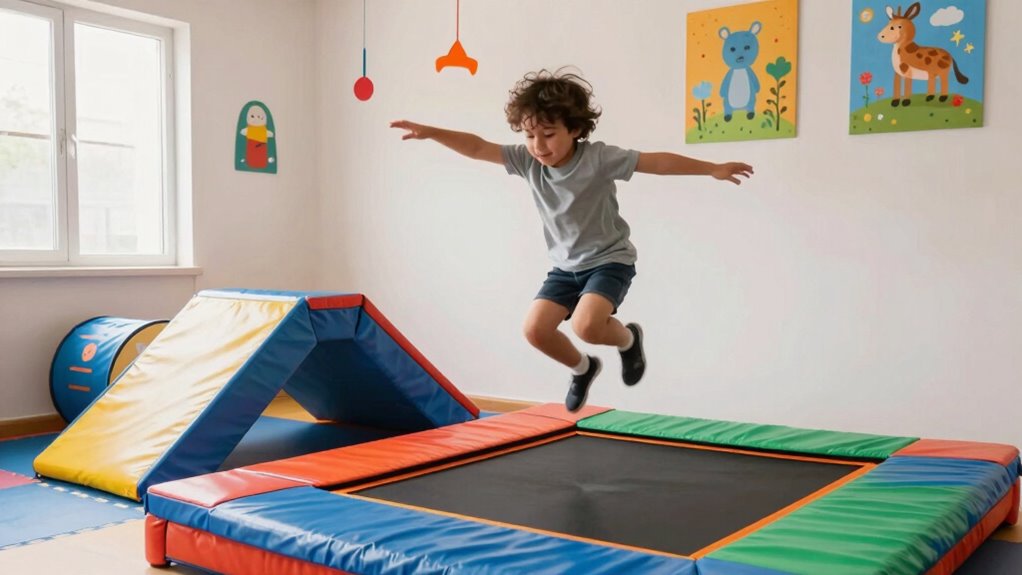
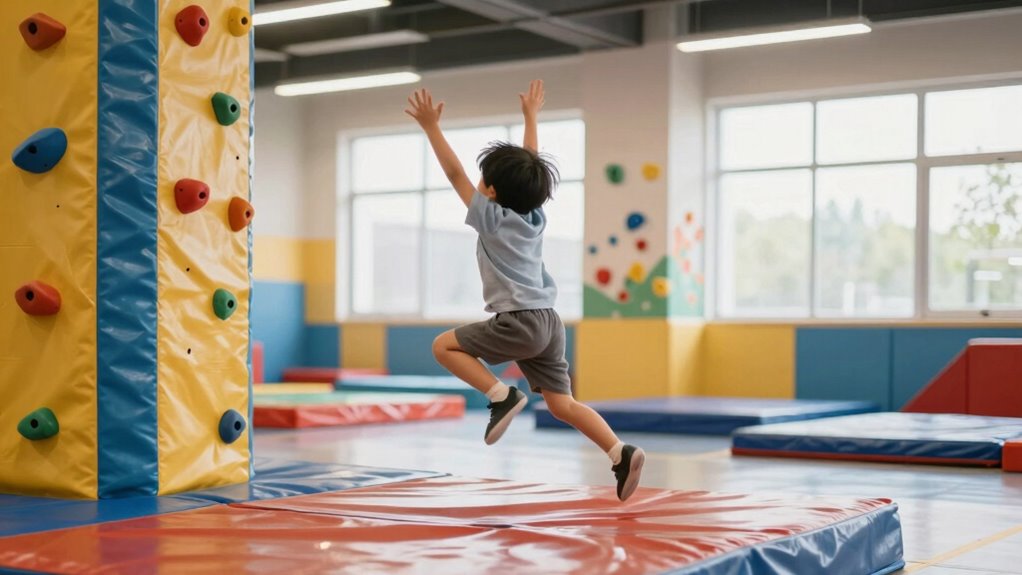
Many indoor kids miss out on essential opportunities to develop their gross motor skills, which are fundamental for overall physical health and coordination. When children spend most of their time inside, they miss the chance to engage in activities that challenge their large muscle groups, like running, jumping, and climbing. These activities are critical because they help strengthen muscles, improve balance, and promote better coordination. Without frequent outdoor play, children may find it harder to develop these skills, leading to delays that can affect their confidence and ability to participate in sports or other physical activities later on.
Indoor play limits essential gross motor development, affecting strength, balance, and confidence for future physical activities.
One key reason outdoor play is so effective is that it naturally stimulates sensory processing. As kids navigate different terrain, climb trees, or dodge obstacles, their brains learn to interpret sensory information more efficiently. This sensory processing is essential for motor planning and execution, helping children move smoothly and accurately. When children lack regular exposure to varied sensory experiences, their gross motor development can stagnate. Indoor environments often lack the rich, unpredictable stimuli found outside, which are necessary for children to refine their coordination and spatial awareness. Incorporating diverse outdoor environments introduces sensory diversity, which is vital for comprehensive motor development. Additionally, outdoor play supports neuroplasticity, allowing the brain to adapt and strengthen neural pathways involved in movement. Creating opportunities for active exploration is also essential, as it encourages children to experiment with different movements and develop their skills organically.
You might notice that kids who spend less time outdoors are less agile or struggle with tasks that require balance or strength. That’s because outdoor play naturally incorporates a variety of movements that challenge different muscle groups and sensory systems. For example, running on uneven ground or swinging from a tree branch works multiple muscles simultaneously, promoting strength and stability. These activities also help children learn to judge distances, control their speed, and develop a sense of body position in space—all critical components of gross motor development. Engaging in outdoor activities can also help children develop spatial awareness, which is essential for navigating their environment effectively.
Encouraging outdoor play doesn’t mean you have to turn every day into a strenuous workout. Simple activities like playing tag, riding bikes, or climbing playground equipment can make a huge difference. These activities not only develop gross motor skills but also boost confidence and social skills, as kids learn to take turns and navigate shared spaces. Incorporating regular outdoor play into a child’s routine helps bridge the gross-motor gap and supports healthy sensory processing, fostering overall development.

Gardenature 10FT Climbing Dome with Hammock, Outdoor Jungle Gym for Kids, Geometric Dome Climber Supporting 880 Lbs Anti-Rust Metal Outdoor Play Structure ASTM Approved Blue & Green
- Safe and Certified Structure: ASTM-certified durable metal dome
- Supports Child Development: Enhances physical and social skills
- Premium Material & Capacity: Steel construction with 880 lbs capacity
As an affiliate, we earn on qualifying purchases.
As an affiliate, we earn on qualifying purchases.
Frequently Asked Questions
How Do I Assess My Child’s Gross-Motor Skills Accurately?
To assess your child’s gross-motor skills accurately, observe their ability to meet typical gross motor milestones like walking, jumping, and balance. Conduct a developmental screening or consult a pediatrician for a professional assessment. Pay attention to their coordination, strength, and agility during play. If you notice delays, seek guidance from a specialist to make certain your child develops the necessary gross-motor skills for their age and overall growth.
What Are Early Signs of Gross-Motor Delays?
You might notice your child struggles with gross motor milestones like crawling, walking, or jumping compared to peers. Signs of developmental delays include poor balance, difficulty coordination, or limited strength and stamina. If your child isn’t meeting typical gross motor milestones by expected ages, it could indicate delays. Early detection helps you seek intervention, supporting your child’s growth and reducing future challenges in coordination and physical activity.
Can Indoor Activities Fully Replace Outdoor Gross-Motor Play?
Indoor alternatives can’t fully replace outdoor benefits, no matter how many toys or activities you set up inside. Ironically, while you think you’re offering endless entertainment, your child misses out on the natural challenge and freedom outdoor play provides. Indoor activities may supplement gross-motor development, but they lack the expansive space, varied terrain, and fresh air that outdoor play naturally supplies. For true growth, outdoor adventures remain essential.
How Does Screen Time Impact Gross-Motor Development?
Screen time often replaces physical activity, which can hinder your gross-motor development. When you spend too much time on screens, you miss out on essential movement skills like running, jumping, and balancing. This lack of active play can lead to delays in coordination and strength. To support healthy gross-motor growth, balance screen time with plenty of outdoor and active play opportunities.
When Should I Seek Professional Help for Motor Skill Concerns?
Don’t wait until it’s too late—trust your instincts and seek a professional evaluation if your child’s motor skills lag behind typical developmental milestones or if you notice persistent difficulties with coordination or balance. Early intervention can make a world of difference, so consult a specialist promptly. When you step up early, you help guarantee your child develops confidence and skills needed for everyday activities.
Conclusion
So, don’t let your indoor kids be like plants stuck in a dark corner — they need sunlight and space to grow strong. Just like a toddler learning to walk, every step they take builds confidence and coordination. Remember, a little outdoor adventure each day is the watering they need. With patience and play, you’ll help bridge that gross-motor gap, turning indoor limits into outdoor leaps of joy and strength.