TL;DR
A parent shared that their kids wrote and exchanged handwritten school survival tips, which have gained viral attention. The notes include humorous and practical advice, highlighting kids’ creativity and wisdom.
Children have created and exchanged handwritten school survival tips with each other, a trend that has recently gained viral attention online. The notes, filled with humor, practical advice, and surprisingly mature insights, reflect kids’ creativity and resilience amid the school year. This development matters because it highlights how young students are engaging with their daily challenges in inventive ways, resonating with parents and educators alike.
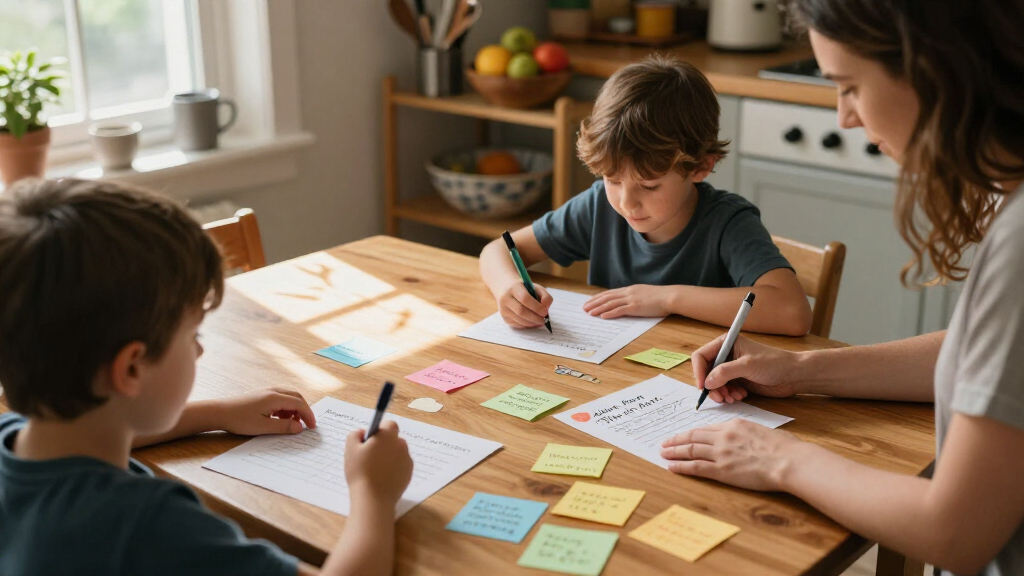
The trend was first shared on social media by a parent who posted images of the notes written by their children. The notes include tips like ‘stay hydrated,’ ‘bring snacks,’ and humorous advice such as ‘avoid the teacher’s bad side.’ According to the parent, the notes were written spontaneously during school and exchanged among classmates, suggesting a shared sense of humor and camaraderie. The notes have since circulated widely, inspiring other parents and students to share their own versions of school survival tips.
Experts note that children often develop creative methods to cope with the stresses of school life, and these handwritten notes are a reflection of that. While some advice is practical—such as organizing supplies or managing time—others are playful or humorous, like ‘keep a secret stash of candy’ or ‘pretend to be a robot when bored.’ The notes also reveal a surprising level of self-awareness among students about their struggles and strategies for managing them.
School officials and educators have responded positively to the trend, emphasizing the importance of peer support and humor in building resilience. Some teachers have even encouraged students to create their own tips as part of classroom activities, fostering a supportive environment. The viral spread of these notes demonstrates how children’s humor and wisdom can resonate widely, providing a lighthearted perspective on the challenges of school life.
Why Kids’ School Tips Matter in Modern Education
This trend underscores the importance of peer support and humor in helping children cope with academic and social pressures. The humorous and practical advice shared by students highlights their resilience and creativity, offering insights into how young people navigate stress. For parents and educators, the notes serve as a reminder of the value of fostering open communication and encouraging children to express themselves in ways that build confidence and camaraderie. The viral attention also illustrates how social media can amplify positive, relatable messages from children, strengthening community bonds and promoting mental well-being among students.
As an affiliate, we earn on qualifying purchases.
Children’s Creative Strategies for School Challenges
Over recent years, children have increasingly used humor and peer support to handle the stresses of school. This trend of sharing handwritten tips is part of a broader movement where students find inventive ways to cope with academic pressure, social dynamics, and everyday challenges. The phenomenon gained momentum on social media platforms, where parents and students post and share these notes, often with humorous captions. The trend’s recent spike in coverage suggests a growing interest in understanding how children manage stress and build resilience through creative expression. While there is no formal research linking these notes to mental health outcomes, educators recognize their potential as a positive outlet for student voices.
It is not yet confirmed whether schools are formally encouraging this activity, but anecdotal reports indicate some teachers are incorporating such creative exercises into their classrooms. The trend also echoes longstanding traditions of children writing advice or sharing stories as part of peer bonding, now amplified by digital sharing. The popularity of these notes highlights a cultural shift towards valuing children’s humor and wisdom in navigating school life.
Unconfirmed Details About the Trend’s Origin
It is not yet confirmed whether this trend originated from a specific school or program, or if it is a spontaneous, widespread phenomenon. The exact number of children participating and the extent of official endorsement remain unclear, as most information is based on social media posts and anecdotal reports.Potential for Broader Adoption and Educational Impact
Educators and parents may increasingly encourage children to create and share their own tips, integrating this practice into classroom activities to foster peer support and resilience. Further research may explore the impact of such creative expressions on student mental health and social cohesion. As the trend continues to spread, more schools might adopt formal or informal programs to promote peer-led support networks through humor and shared advice.Key Questions
Are these school survival tips officially recognized or encouraged by schools?
Currently, there is no official endorsement; the trend appears to be student-initiated and shared informally on social media. Some teachers may incorporate similar activities into their classrooms, but formal recognition is not confirmed.
What kinds of advice are children sharing in these notes?
The notes include practical tips like staying hydrated and organizing supplies, as well as humorous advice such as hiding snacks or pretending to be a robot. They reflect both genuine coping strategies and playful humor.
Could this trend help improve student mental health?
While direct evidence is limited, experts suggest that peer support and humor can help children cope with school-related stress, making this trend potentially beneficial as a form of positive social expression.
Is this trend likely to continue or expand?
Given its recent viral spread and positive reception, it is possible that more students and schools will adopt similar activities, especially if educators see value in fostering peer support through creative expression.
Source: rss