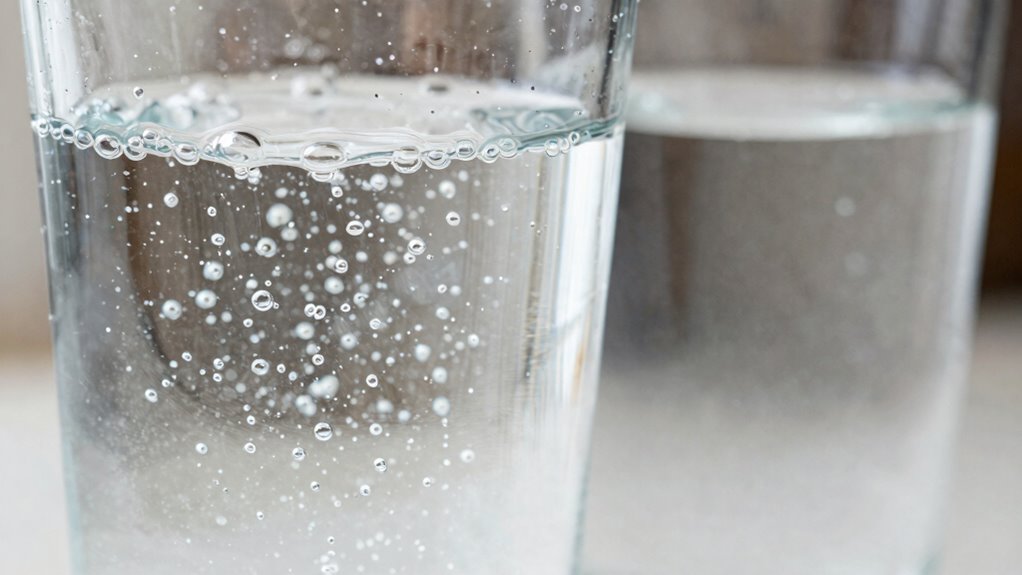
Sparkling water isn’t the same as plain water for your teeth because it’s more acidic due to carbonation, which forms carbonic acid. This acidity can gradually wear down enamel, leading to sensitivity and higher decay risk. While plain water helps maintain your mouth’s pH balance, sparkling water disrupts it, encouraging bacterial growth. If you stay curious, you’ll discover more tips to protect your dental health and reduce erosion.

Turn the school run and nap time into listening time
- Thousands of audiobooks, podcasts and originals
- Listen on your phone, tablet or Echo — also offline
- Cancel anytime
Key Takeaways
- Sparkling water is slightly acidic due to carbonation, which can erode tooth enamel over time.
- The acidity from carbonation lowers oral pH, promoting bacteria growth and increasing decay risk.
- Unlike plain water, sparkling water can expose teeth to acids that cause erosion and sensitivity.
- Plain water maintains neutral pH, helping protect teeth from acid-related damage.
- Limiting sparkling water and practicing good oral hygiene can reduce its negative impact on teeth.
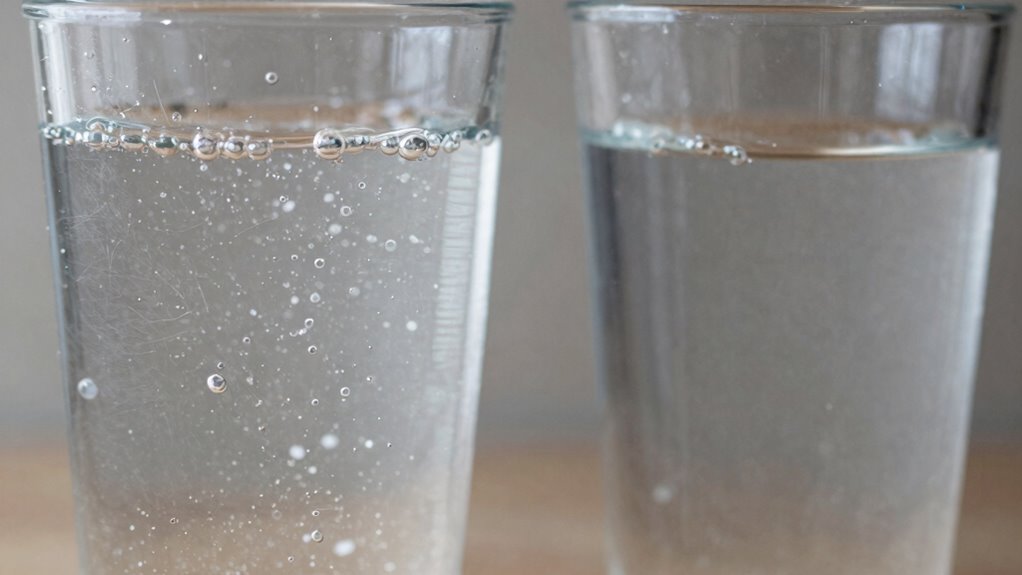
Many people assume that sparkling water is just as healthy for your teeth as plain water, but that’s not entirely true. While it might seem like a harmless alternative, the carbonation process changes how it interacts with your dental health. Sparkling water is slightly acidic because carbon dioxide reacts with water to form carbonic acid. This acidity can contribute to dental erosion, especially if you drink it frequently or sip on it throughout the day. Unlike plain water, which has a neutral pH and doesn’t affect your enamel, sparkling water’s acidity can gradually wear down the protective outer layer of your teeth.
Sparkling water’s acidity can gradually erode your tooth enamel over time.
Dental erosion occurs when acids demineralize your enamel, weakening its structure over time. This process might not cause immediate pain, but it leaves your teeth more vulnerable to damage and decay. If you already have sensitive teeth, you may notice that drinking sparkling water causes discomfort or a sharp ache. This tooth sensitivity happens because the acid can erode the enamel, exposing the underlying dentin, which contains nerve endings. As a result, even cold, hot, or sweet foods and drinks can trigger pain, making you think twice before reaching for that fizzy beverage.
You might think that switching to sparkling water is a healthier choice, but the acidity levels tell a different story. While plain water helps maintain your oral pH balance, sparkling water’s lower pH can disrupt it, leading to a more acidic environment in your mouth. This acidic environment not only promotes dental erosion but also encourages the growth of bacteria that cause cavities. Over time, this can worsen tooth sensitivity and increase the risk of decay. Recognizing that acidic beverages can have these effects can help you make more informed choices for your oral health. Additionally, understanding the role of oral pH balance can further emphasize the importance of maintaining a neutral environment in your mouth.
To minimize these risks, it’s best to limit your consumption of sparkling water or drink it alongside plain water to help rinse away acids. Using a straw can also reduce contact with your teeth, lessening the potential for erosion. Remember, maintaining good oral hygiene, like brushing twice a day with fluoride toothpaste and visiting your dentist regularly, is essential for protecting your teeth from the effects of acidity. It’s also helpful to be aware that dental erosion can be slowed or prevented with proper care and lifestyle choices. While sparkling water might seem like a better alternative than sugary sodas or juices, it’s important to be aware of how its acidity can impact your dental health, especially if you already experience tooth sensitivity or are concerned about dental erosion.
Products Worth Considering

Oral-B iO Series 3 Rechargeable Electric Toothbrush for Adults, Black, with 2 Brush Heads and Travel Case

Philips Sonicare DiamondClean 9000 Electric Toothbrush Bundle, HX9912/72
Withings Body Smart Wi-Fi and Bluetooth Smart Scale
As an affiliate, we earn on qualifying purchases.
Frequently Asked Questions
Does Sparkling Water Cause More Tooth Sensitivity Than Regular Water?
Yes, sparkling water can cause more tooth sensitivity than regular water. The carbonation creates carbonic acid, which can erode your tooth enamel over time, leading to oral erosion. This acid exposure can make your teeth more sensitive to temperature changes and sweet or acidic foods. To protect your teeth, consider drinking sparkling water in moderation and using a straw to minimize contact with your enamel.
Can Drinking Sparkling Water Lead to Long-Term Tooth Decay?
Sparkling water can contribute to long-term tooth decay if you ignore its acidic allure. You might notice dental erosion and enamel damage over time, which weaken your teeth and cause cavities. While the bubbles boost your beverage’s appeal, they also accelerate acid attacks on your enamel. To protect your teeth, sip sparingly, rinse with plain water afterward, and maintain good oral hygiene. Prevention prevents painful, pricey problems.
Is Flavored Sparkling Water More Harmful to Teeth Than Unflavored?
Yes, flavored sparkling water can be more harmful to your teeth than unflavored because of flavor impact and carbonation effects. Flavored varieties often contain added acids and sugars that can erode enamel and promote decay. Even without sugar, carbonation increases acidity, which weakens your teeth. To protect your smile, opt for plain water or choose flavored options with no added sugars and minimal acidity.
How Does the pH Level of Sparkling Water Compare to That of Plain Water?
Sparkling water has a lower pH, making it more acidic than plain water, which typically has a neutral pH around 7. This acidity can cause erosion of your tooth enamel, leading to sensitivity. Although both drinks contain mineral content, the bubbly nature of sparkling water amplifies its acidic effects, especially if flavored. You might enjoy the fizz, but be mindful of its impact on your dental health.
Are There Any Dental Benefits to Drinking Sparkling Water?
Drinking sparkling water can offer some dental benefits, like staying hydrated and replacing sugary drinks. However, you should be cautious, as the carbonation introduces acids that can weaken your dental enamel over time. If you enjoy sparkling water, sip it quickly and avoid holding it in your mouth to reduce the risk of acid erosion. Maintaining good oral hygiene helps protect your teeth from potential damage.
Conclusion
So, while sparkling water might sparkle like a gem, it can also wear down your teeth’s defenses like gentle erosion. Think of it as a tempting bubble bath for your teeth—refreshing but with hidden risks. To keep your smile shining bright and safe, stick with plain water, the true hero in your hydration story. Your teeth will thank you for choosing the clear, simple path—like a serene river flowing pure and untouched.