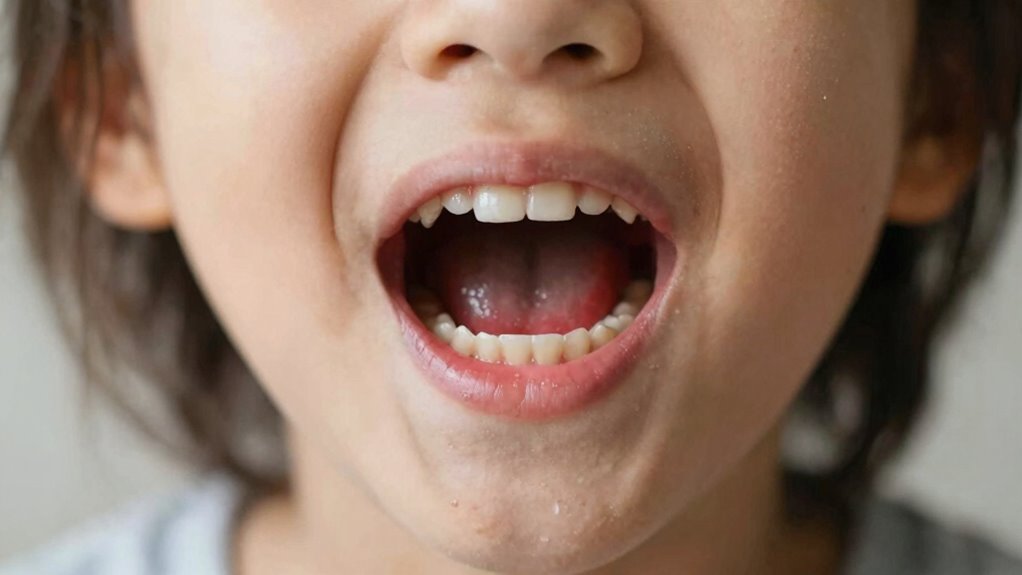

During spring allergies, mouth breathing can lead to dry mouth, creating an environment where cavity-causing bacteria thrive. This habit bypasses nasal filters, increases plaque buildup, and raises your risk of dental decay, especially in hard-to-clean areas. Over time, it can also cause gum issues and misaligned teeth. If you want to understand how to protect your oral health and recognize the signs early, there’s more to discover on how ongoing mouth breathing impacts you.

Turn the school run and nap time into listening time
- Thousands of audiobooks, podcasts and originals
- Listen on your phone, tablet or Echo — also offline
- Cancel anytime
Key Takeaways
- Mouth breathing bypasses nasal filters, increasing bacteria and plaque buildup, especially during spring allergy seasons.
- Dry mouth from mouth breathing creates an environment conducive to cavity-causing bacteria growth.
- Allergies and airway obstructions worsen mouth breathing, raising cavity risk in spring when allergens are prevalent.
- Chronic mouth breathing can lead to misaligned teeth and orthodontic issues, increasing vulnerability to cavities.
- Addressing underlying causes and promoting nasal breathing during spring reduces cavity risk and improves overall oral health.

When you breathe through your mouth instead of your nose, it can lead to more than just dry lips. Mouth breathing can significantly impact your oral health, especially during spring when pollen and allergens are prevalent. This habit often goes unnoticed, but its effects can be far-reaching, contributing to an increased risk of cavities. When you breathe through your mouth, the airflow bypasses your nasal passages, which normally filter, warm, and humidify the air you breathe. Without this natural protection, your mouth becomes dry, creating an environment where bacteria thrive and plaque accumulates more easily. Over time, this can lead to tooth decay and cavities, particularly in areas that are harder to clean thoroughly. Many people aren’t aware that mouth breathing can be linked to structural issues like enlarged tonsils, airway obstructions, or allergies. Addressing these underlying causes often requires alternative treatments, such as nasal strips, allergy medications, or even consultation with an ENT specialist. These interventions aim to restore normal nasal breathing, which helps maintain moisture in your mouth and reduces cavity risk. But if left unaddressed, long-term effects can include not only dental decay but also misaligned teeth, dry mouth, and gum disease. Chronic mouth breathing can also influence the development of the jaw and facial structure, especially in children, leading to more complex orthodontic problems down the line. Additionally, airway obstructions caused by structural issues can worsen over time if not properly treated, further complicating breathing patterns. Interestingly, research suggests that Mouth breathing can also impact overall health beyond oral concerns, including sleep quality and respiratory function. Poor oxygen intake resulting from airway issues can impair your immune response and overall vitality. It’s also important to recognize that muscle function plays a crucial role in maintaining proper breathing patterns, and dysfunction here can perpetuate mouth breathing habits. While many focus on immediate remedies for dry or irritated lips, it’s crucial to consider the broader implications. Long-term effects of mouth breathing extend beyond oral health—affecting sleep quality, breathing efficiency, and overall well-being. If you notice persistent mouth breathing, especially during sleep or physical activity, seeking professional advice early can prevent more serious health issues. Some alternative treatments, like myofunctional therapy or targeted exercises, can help retrain your muscles and improve nasal passage function, reducing reliance on mouth breathing. These approaches often complement other medical or dental interventions and can provide a more sustainable solution. In spring, with increased allergens, your tendency to breathe through your mouth may worsen, making it even more important to address the root causes. Not only does this reduce your immediate discomfort, but it also helps prevent the long-term dental and health consequences associated with mouth breathing. Taking steps now—whether through lifestyle changes, medical treatments, or alternative therapies—can make a significant difference in maintaining your oral health and overall wellness in the long run. Additionally, recognizing the importance of nasal breathing can support better health outcomes and improve your quality of life.
nasal strips for breathing relief
As an affiliate, we earn on qualifying purchases.
As an affiliate, we earn on qualifying purchases.
Frequently Asked Questions
Can Mouth Breathing Cause Long-Term Dental Health Issues?
Yes, mouth breathing can cause long-term dental health issues. When airway obstruction forces you to breathe through your mouth, it can lead to dental erosion and dry mouth, which reduces saliva’s protective effects. Over time, this increases your risk of cavities, gum disease, and misaligned teeth. Addressing mouth breathing early helps prevent these issues and maintains better oral health.
Are Children More Affected by Mouth Breathing Than Adults?
Yes, children are more affected by mouth breathing than adults because it can disrupt their child development and breathing patterns. When kids breathe through their mouths, it can influence facial growth, dental alignment, and overall health. As a parent or caregiver, you should monitor their breathing patterns and consult a healthcare professional if mouth breathing persists, to prevent long-term dental and developmental issues.
How Can I Tell if My Child Is a Mouth Breather?
Imagine your child’s face as a garden, with the nose as a fountain. If the fountain’s dry or clogged, your child might be a mouth breather. Look for signs of nasal obstruction like persistent snoring, dry lips, or mouth dryness. Also, watch for speech development concerns, such as nasal speech or difficulty pronouncing words. These clues suggest you should consult a healthcare professional for assessment and support.
What Specific Bacteria Are Involved in Cavity Formation From Mouth Breathing?
You should know that mouth breathing alters oral microbiota, promoting bacterial colonization that leads to cavity formation. Specific bacteria involved include Streptococcus mutans and Lactobacilli, which produce acids that erode enamel. These bacteria thrive in dry, less-washed-out environments created by mouth breathing. Keeping good oral hygiene and visiting the dentist regularly helps control bacterial growth, reducing the risk of cavities associated with changes in oral microbiota from mouth breathing.
Are There Effective Treatments to Reduce Cavities Linked to Mouth Breathing?
You can definitely reduce cavities linked to mouth breathing by improving your oral hygiene and boosting salivary flow. Regular brushing, flossing, and using fluoride rinses help remove bacteria and neutralize acids. Staying well-hydrated keeps saliva flowing, which fights off cavity-causing bacteria. Consider speaking with your dentist about saliva substitutes or treatments that stimulate saliva production. These steps can turn your mouth from a cavity battlefield into a healthy, thriving environment.
Conclusion
You might not realize it, but the connection between mouth breathing and spring cavities is more than just a coincidence. As the seasons change, you may notice your oral health fluctuates without clear reason. Paying attention to your breathing habits could be the missing link in preventing those pesky cavities. Sometimes, it’s the little, overlooked details—like how you breathe—that make all the difference in keeping your smile healthy this spring and beyond.
Fall Picks
fall essentials
As an affiliate, we earn on qualifying purchases.