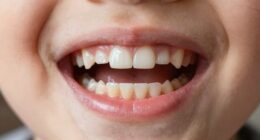
To teach rinsing effectively without replacing brushing, focus on using gentle, controlled motions with a small amount of mouthwash for about 30 seconds. Encourage a thorough, mindful technique that covers all areas, especially along the gum line, and limits water use to keep fluoride active. Adding pleasant flavors can make rinsing more enjoyable, increasing motivation. Keep practicing these habits consistently, and you’ll discover more ways to improve your oral care routine.

Turn the school run and nap time into listening time
- Thousands of audiobooks, podcasts and originals
- Listen on your phone, tablet or Echo — also offline
- Cancel anytime
Key Takeaways
- Emphasize gentle, controlled swishing for about 30 seconds to maximize fluoride contact without replacing brushing.
- Teach proper technique: cover all mouth areas, including between teeth and along gum lines.
- Use flavored rinses to make rinsing more enjoyable and encourage consistent practice.
- Instruct on limiting water use to prevent fluoride dilution and enhance effectiveness.
- Integrate rinsing into a comprehensive oral hygiene routine alongside brushing for optimal results.

Rinsing your mouth after brushing is a crucial step in maintaining oral health, yet many people struggle to do it effectively without compromising their fluoride intake. Proper rinsing ensures you remove leftover toothpaste and debris, but it can also dilute the fluoride’s benefits if not done correctly. To improve your rinsing technique without negating the protective effects of fluoride, you should focus on technique improvement and flavor enhancement. This approach helps you enjoy rinsing more while still maximizing its oral health benefits.
Effective rinsing boosts oral health by removing debris while preserving fluoride benefits through proper technique and flavor enjoyment.
First, consider how you rinse. Instead of vigorously swishing or overusing water, use a gentle, controlled motion. Take a small amount of mouthwash or water—about a teaspoon—and swish it around your mouth for about 30 seconds. This method allows you to thoroughly clean your mouth without excessively diluting the fluoride from your toothpaste. After rinsing, avoid swallowing the mouthwash to prevent ingesting too much fluoride or other chemicals, especially if you’re using medicated rinses. Proper rinsing techniques can make a significant difference in maintaining fluoride efficacy while still achieving a clean mouth. Incorporating effective rinsing habits can further enhance the benefits and help you develop a more mindful oral hygiene routine.
To enhance your rinsing experience, flavor plays a significant role. Using flavored rinses, such as mint or citrus, can make the process more pleasant, encouraging you to rinse thoroughly and consistently. Better flavor enhancement not only makes rinsing more enjoyable but also motivates you to stick with a healthier routine. Some rinses contain natural flavors and fewer artificial additives, which can be gentler on your mouth and more appealing, especially if you’re sensitive to strong tastes. Incorporating natural flavors can further improve your experience and make rinsing a more inviting habit.
When it comes to technique improvement, timing and quantity matter. Instead of rushing through rinsing or using too much liquid, focus on precision. Use just enough rinse to coat your mouth and reach all areas, especially along the gum line and between teeth. Incorporate a gentle, circular motion with your tongue and lips to maximize coverage. This careful approach ensures you remove debris effectively while keeping fluoride in contact with your teeth for maximum protection. Additionally, being aware of proper oral hygiene techniques can significantly improve overall results. Developing a consistent rinsing routine with mindful attention can help you build better habits that support your long-term dental health. Remember, a thoughtful approach to rinsing not only supports your oral health but also reinforces the importance of comprehensive dental care.
As an affiliate, we earn on qualifying purchases.
Frequently Asked Questions
How Can Rinsing Improve Overall Oral Health?
Rinsing helps improve your oral health by stimulating saliva flow, which naturally fights bacteria and neutralizes acids. This salivary stimulation supports enamel remineralization, strengthening your teeth and preventing decay. When you rinse properly, you remove food particles and plaque, reducing the risk of cavities and gum disease. Incorporating rinsing into your routine enhances overall oral health, making your teeth more resilient and your mouth fresher throughout the day.
What Types of Mouthwashes Are Most Effective?
They say, “You are what you eat,” and the same applies to mouthwash. To be effective, choose alcohol-free options with proven ingredients like fluoride or chlorhexidine. Look for a variety of flavor options to suit your taste and guarantee ingredient safety for your oral health. These mouthwashes help reduce plaque, freshen breath, and support overall dental health without irritation, making them a smart addition to your routine.
When Should Rinsing Be Done During Oral Hygiene?
You should rinse after brushing and flossing to maximize oral hygiene. Timing considerations suggest waiting about 30 minutes after eating before rinsing with mouthwash to avoid diluting enamel-repairing saliva. Use proper rinsing techniques by swishing thoroughly for 30 seconds, ensuring mouthwash reaches all areas. This approach helps remove debris effectively, enhances fluoride contact, and promotes fresher breath, making your oral care routine more efficient and beneficial.
Are There Risks Associated With Rinsing Too Often?
Rinsing too often can lead to risks overuse, such as disrupting your mouth’s natural flora and reducing beneficial bacteria. It may also cause sensitivity concerns, especially if you use harsh mouthwashes or rinse frequently with alcohol-based solutions. To protect your oral health, limit rinsing to recommended times and avoid overdoing it, ensuring you maintain a healthy balance while effectively cleaning your teeth and gums.
Can Rinsing Replace Flossing Entirely?
Rinsing can’t replace flossing entirely because they serve different purposes. Alternative techniques like water flossers or interdental brushes can supplement your oral hygiene, but rinsing primarily reduces surface bacteria and freshens breath. Flossing removes plaque and debris between teeth, which rinsing can’t do effectively. To maintain healthy teeth and gums, it’s best to combine rinsing vs. flossing with regular brushing, ensuring all areas are thoroughly cleaned.
Conclusion
Imagine your child’s smile as a delicate garden—brushing clears away the weeds, but rinsing washes away the remaining dirt, nurturing healthy growth. By teaching rinsing alongside brushing, you’re not replacing a step but enriching it, like adding water to a thirsty plant. Studies show that combined habits prevent cavities more effectively. So, embrace this simple change—your child’s bright, healthy smile is worth every extra minute. Together, you’re cultivating lifelong health, one rinse at a time.
Fall Picks
fall essentials
As an affiliate, we earn on qualifying purchases.