
Intermittent fasting can hurt your oral health if you’re not careful. It may reduce saliva flow, making it harder to neutralize acids and wash away plaque, which increases your risk of dental erosion and cavities. Staying hydrated and maintaining good oral hygiene are essential during fasting periods. If you want to understand how to protect your teeth while fasting, there are important steps to follow that you’ll want to know.

Turn the school run and nap time into listening time
- Thousands of audiobooks, podcasts and originals
- Listen on your phone, tablet or Echo — also offline
- Cancel anytime
Key Takeaways
- Intermittent fasting may reduce acid exposure if acidic foods and drinks are limited during eating windows.
- Proper hydration during fasting supports saliva production, helping protect teeth from erosion and decay.
- Fasting can decrease salivary flow, increasing the risk of dry mouth and related oral health issues.
- Maintaining good oral hygiene is essential during fasting to prevent plaque buildup and gum problems.
- Consuming acidic beverages outside fasting periods can heighten dental erosion risk if not managed properly.
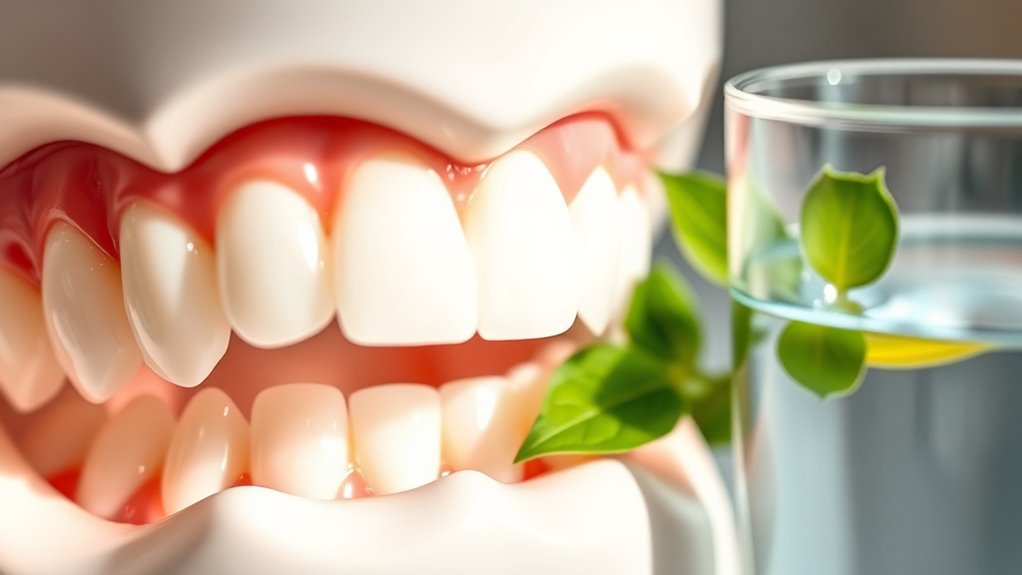
Intermittent fasting has become a popular approach for improving overall health, but it also impacts your oral health in ways you might not expect. One key aspect to contemplate is how fasting influences your mouth’s environment, particularly regarding dental erosion and salivary flow. When you reduce your food intake or alter your eating schedule, your saliva production can fluctuate, affecting how well your mouth protects itself against acid attacks and decay. Saliva acts as a natural buffer, neutralizing acids and washing away food particles. During fasting periods, your salivary flow may decrease, especially if you’re not drinking enough water, which can lead to a dry mouth. This dryness can make your teeth more vulnerable to dental erosion, as the lack of saliva means less neutralization of acids from foods, beverages, or even bacterial activity.
Fasting reduces saliva flow, increasing the risk of dental erosion and dry mouth.
Dental erosion occurs when acids wear away the enamel—the hard, protective outer layer of your teeth. When your salivary flow diminishes, acids have a longer-lasting presence in your mouth, increasing the risk of erosion. This is particularly problematic if you consume acidic beverages like fruit juices or sports drinks during eating windows or if you’re prone to snacking on acidic or sugary foods. Without enough saliva to buffer these acids, your enamel can weaken over time, leading to increased sensitivity and a higher likelihood of cavities. A balanced oral environment relies heavily on maintaining proper salivary flow and pH levels.
Additionally, fasting can trigger changes in your oral pH levels, making your mouth more acidic. An acidic environment promotes dental erosion and can compromise your overall oral health. It’s essential to stay hydrated during fasting periods to support salivary flow and help maintain a balanced pH level. Drinking plenty of water not only helps combat dry mouth but also dilutes acids in your mouth, reducing their harmful effects.
Furthermore, some people may experience increased plaque buildup due to changes in eating patterns during fasting, which can contribute to gum disease and tooth decay. Regular oral hygiene, including brushing twice daily and flossing, becomes even more important when your saliva production is compromised. Proper hydration and maintaining good oral care are crucial in supporting salivary gland function and protecting your teeth during intermittent fasting.
Frequently Asked Questions
Can Intermittent Fasting Cause Dry Mouth or Bad Breath?
Yes, intermittent fasting can cause dry mouth and bad breath if you’re not careful. When you fast, hydration concerns may arise, leading to reduced saliva production, which helps wash away oral bacteria. A dry mouth creates an environment for odor-causing bacteria to thrive, resulting in bad breath. To prevent this, stay well-hydrated during eating windows and maintain good oral hygiene to keep bacteria in check.
Does Fasting Improve or Worsen Gum Disease?
Fasting can improve gum health by reducing inflammation, possibly aiding gingivitis reduction. For example, a study shows that intermittent fasting decreases plaque accumulation, which benefits gum disease management. When you fast, your body may better control bacteria and inflammation, leading to healthier gums. However, if you neglect oral hygiene during fasting, plaque buildup could worsen. So, fasting might help or hurt, depending on your oral care routine.
Are There Specific Fasting Protocols That Benefit Oral Health?
Certain fasting protocols, like time-restricted eating with shorter fasting durations, can benefit your oral health by promoting a healthier oral microbiome. Limiting fasting to 12-16 hours allows your saliva production to stay consistent, which helps neutralize acids and keep bacteria in check. Longer fasts might disrupt this balance, so focusing on moderate fasting durations supports your oral health without risking harm.
How Does Fasting Affect Saliva Production and Its Protective Functions?
Imagine saliva as a gentle river, flowing to shield your teeth. Fasting can reduce saliva production, making it less effective in maintaining oral pH balance and defending against bacteria. When saliva diminishes, your mouth becomes a vulnerable landscape, risking decay and gum issues. To keep your oral ecosystem healthy, stay hydrated and monitor saliva flow, ensuring this essential protector continues to guard your smile efficiently.
Can Fasting Lead to Increased Cavities or Enamel Erosion?
Fasting can increase your cavity risk and lead to enamel erosion if you’re not careful. When you skip meals, saliva production may decrease, reducing your mouth’s natural protection against acids and bacteria. This creates an environment where acids can erode enamel and promote cavities. To minimize these risks, drink plenty of water, maintain good oral hygiene, and avoid acidic foods during fasting periods.
Conclusion
So, you’ve decided to dance with intermittent fasting—bravo! Just remember, starving your body might also mean starving your smile. Skip those snacks, sure, but don’t forget to brush and floss like your teeth depend on it—because they do. Who knew that fasting could turn into a dental drama? Keep your mouth happy, or risk turning your pearly whites into a sad, lonely ghost town. Happy fasting, and even happier brushing!
Cold & flu season Picks
humidifiers
As an affiliate, we earn on qualifying purchases.