
TL;DR

Turn the school run and nap time into listening time
- Thousands of audiobooks, podcasts and originals
- Listen on your phone, tablet or Echo — also offline
- Cancel anytime
Children’s electric toothbrushes simplify brushing, making it more engaging and effective. The key is choosing a model that fits your child’s age, comfort, and needs, while maintaining good routines.
Imagine turning a daily chore into a game. That’s exactly what a good children’s electric toothbrush can do. Instead of fighting to make brushing happen, you have a tool that makes it easier, faster, and more fun for your kid.
But not all electric brushes are created equal. Picking the right one involves more than just choosing a colorful handle. Your goal is a brush that encourages good habits, fits your child’s size and preferences, and keeps their teeth healthy. Ready to learn what makes the best kids’ electric toothbrush and how to get the most out of it? Let’s dive in.
Choose a small, soft-bristled handle with age-appropriate features like timers and gentle vibrations.
Supervise brushing until your child develops consistent, proper technique—usually around age 7–8.
Replace brush heads every three months or sooner if bristles fray or are chewed.
Motivate children with fun colors, characters, or app rewards, but don’t rely solely on gadgets.
Consistent routines, good toothpaste, and professional checkups are key, regardless of the toothbrush type.
What Makes a Kids’ Electric Toothbrush Perfect for Your Child?
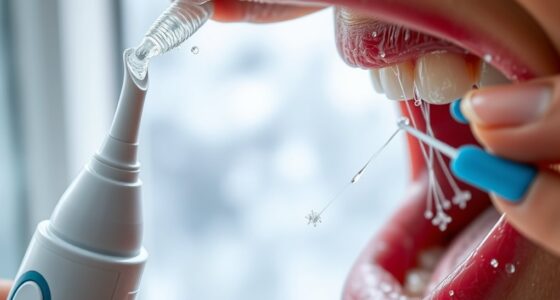
The first thing to know: a kids’ electric toothbrush needs to match your child’s age and comfort level. It’s not just about cleaning power — it’s about fit, ease of use, and motivation. Look for a small, soft-bristled head that reaches all the tricky spots without scraping the gums.
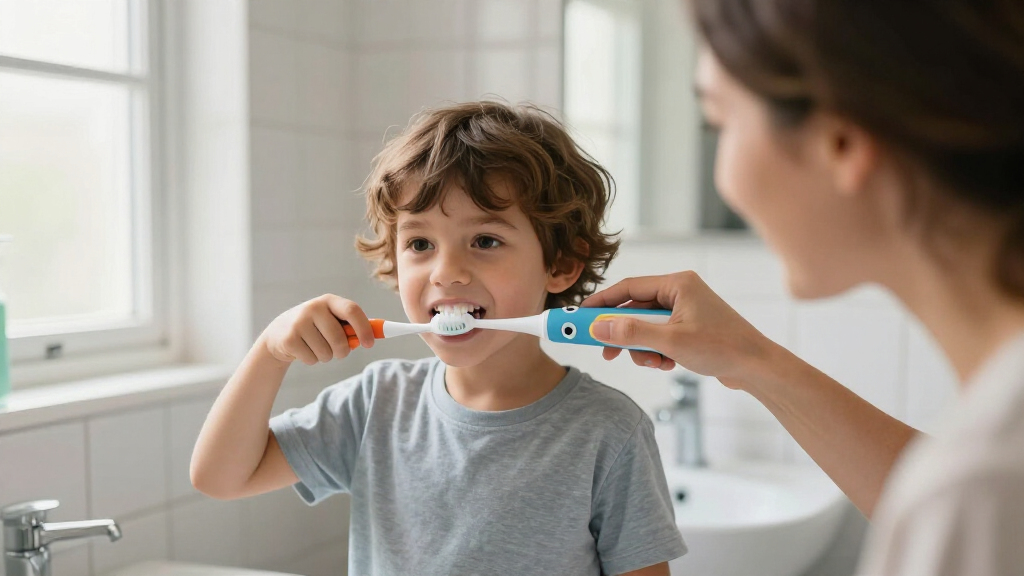
Imagine brushing your teeth with a giant handle or a noisy machine. Not fun. The best models have handles designed for small hands, gentle vibrations, and features like timers and lights that turn brushing into a game. For example, a toothbrush with a built-in timer ensures your child brushes for the full two minutes recommended by dentists. The sound and vibration should be soothing, not overwhelming.
Why it matters: When a toothbrush is comfortable and engaging, children are more likely to brush thoroughly and regularly. Conversely, a poorly designed brush can cause discomfort or frustration, leading to skipped or rushed routines that compromise oral health. The tradeoff is often between affordability and features—more sophisticated models might motivate better habits but can be more expensive. Finding a balance tailored to your child’s needs and your budget is key.
children's electric toothbrush with timer
As an affiliate, we earn on qualifying purchases.
As an affiliate, we earn on qualifying purchases.
How to Pick the Right Electric Toothbrush for Your Kid’s Age
- Check the age recommendation. Always follow the manufacturer’s advice. A toddler’s toothbrush is different from one meant for a 7-year-old. Using the wrong size or power can lead to ineffective cleaning or discomfort, which may discourage future brushing. Properly matched tools help establish good habits early and prevent damage to delicate gums or teeth.
- Size matters. Choose a small, soft head that comfortably fits your child’s mouth. Larger heads can be hard to maneuver and may irritate gums or miss spots, reducing cleaning effectiveness. A head that’s too big can also cause gagging or discomfort, making your child resistant to brushing altogether.
- Pick a handle that’s easy to grip. Look for textured, lightweight handles designed for small hands. An ergonomic handle increases control, making it easier for your child to maneuver the brush correctly. This not only improves cleaning but also builds confidence and independence in their oral care routine.
- Consider noise and vibration. Some kids are sensitive to loud sounds or strong vibrations, which can cause anxiety or discomfort. Quieter models with gentle vibrations are less intimidating, encouraging more consistent use. This consideration can influence how willingly your child approaches brushing and how effective their routine becomes.
- Features that motivate. Lights, characters, or app-connected rewards can turn brushing into a fun activity. These features tap into children’s natural love of play, making it more likely they’ll develop a positive attitude towards oral hygiene. However, over-reliance on entertainment can distract from proper technique, so balance is essential.
Oscillating-Rotating vs. Sonic: Which One Works Better?
| Feature | Oscillating-Rotating | Sonic |
|---|---|---|
| Movement | Brush head spins back and forth | Vibrates side to side at high speed |
| Cleaning Power | Effective at plaque removal, especially around kids’ small teeth | Also effective, with a focus on cleaning along gumlines |
| Noise | Typically louder, some kids find it unsettling | Usually quieter, more soothing for sensitive kids |
| Price | Often more affordable | Can be pricier, especially models with extra features |
Both types clean well if used correctly. The choice often comes down to which feels better in your child’s hand and their comfort level. Regular use beats the type of motor—so the most important factor is whether your child is willing to use it consistently. A toothbrush that feels awkward or noisy may be rejected, regardless of its cleaning efficacy. The key is to weigh these factors carefully, as a motivated child who brushes regularly will benefit more than one with a fancy but unused device.
Smart Features That Turn Brushing Into a Game
Today’s kids’ electric toothbrushes often come loaded with interactive features. Think: colorful lights, characters, and even apps that reward good habits. These features tap into kids’ love of games, making brushing feel less like a chore.
For instance, some brushes connect via Bluetooth to an app that tracks brushing time, pressure, and coverage. The app rewards kids with stickers or points for reaching goals. This not only motivates but also helps parents see if their child brushes evenly and gently.
Why it matters: Incorporating smart features can significantly boost a child’s motivation to brush properly and consistently, especially for those who are easily distracted or resistant. These features can turn a mundane task into a fun challenge, fostering independence and good habits early on. However, over-complicating routines with excessive gadgets can lead to reliance on technology rather than establishing foundational habits. The tradeoff is between engagement and simplicity—choosing features that genuinely motivate without overwhelming the routine.
Common Pitfalls and How to Avoid Them
Even the best kids’ electric toothbrush won’t work if it’s not used properly. Here are some pitfalls and tips to sidestep them:
- Relying solely on the motor. Children still need guidance on how to move the brush across all teeth and along the gumline. The motor helps but doesn’t replace good technique. Without proper guidance, even the most advanced brush can miss plaque, especially in hard-to-reach areas, leading to cavities or gum issues. Consistent supervision ensures that children learn effective brushing habits that complement the technology.
- Ignoring replacement heads. Bristle fraying or damage happens quickly with kids. Change heads every three months or sooner if needed. Neglecting this can reduce cleaning efficacy and increase the risk of bacteria buildup, which can lead to oral infections or gum irritation. Regular replacement is a small but vital part of maintaining oral hygiene.
- Using the wrong size or type of brush. Larger or stiff bristles can irritate gums or miss spots. Always opt for soft, small heads designed for children. Using adult-sized or stiff-bristled brushes can cause discomfort, bleeding, or damage to delicate tissues, discouraging regular brushing and risking long-term oral health issues.
- Letting gadgets replace supervision. A high-tech brush is no substitute for an adult’s watchful eye, especially for toddlers or kids with sensory sensitivities. Without supervision, children may misuse the device, skip spots, or swallow parts, risking injury or ineffective cleaning. A responsible adult guiding and supervising ensures that technology enhances, rather than replaces, proper technique and safety.
Remember, a model that your child can comfortably handle and actually wants to use will always beat a fancy feature that’s ignored. Proper guidance and maintenance are essential to ensure these tools effectively support healthy habits.
How to Keep Your Kid’s Smile Healthy and Happy
Use the right brush, supervise until they develop good habits, and keep their routine consistent. Set a timer or use a fun app to make sure they brush for two minutes twice daily. Praise and encouragement go a long way.
For example, turn brushing into a daily race where they try to beat their previous time or earn stickers for good brushing. Keep a close eye on the pressure — a gentle touch is all that’s needed. If your child resists, try introducing the toothbrush slowly, letting them hold it while off, or choosing a quieter model.
Why it matters: Establishing a routine with consistent supervision and positive reinforcement helps embed healthy habits that last a lifetime. Using timers or engaging apps not only ensures adequate brushing time but also makes the process enjoyable, reducing resistance. Regular dental visits and a healthy diet are the backbone of a bright, cavity-free smile. Combining these habits with proper use of an electric toothbrush creates a comprehensive approach to oral health that sets children up for lifelong success.
Frequently Asked Questions
At what age can a child start using an electric toothbrush?
Most children can start using an electric toothbrush once they have teeth and can hold it safely. Check the manufacturer’s age recommendation, but generally around age 3 or when they’re capable of supervised brushing.
Is an electric toothbrush better than a manual one for kids?
Electric brushes can be more effective, especially if your child struggles with brushing technique or duration. However, a soft manual toothbrush used properly works just as well if supervised and combined with fluoride toothpaste.
Can toddlers safely use electric toothbrushes?
Yes, if the model is designed for their age. Always supervise, control toothpaste amount, and prevent chewing or swallowing components. Avoid adult-sized brushes for young children.
How often should I replace the brush head?
Every three months is standard, or sooner if bristles are frayed, damaged, or chewed. Regular replacement keeps brushing effective and safe.
Are toothbrush apps useful for children?
They can motivate reluctant brushers and help establish routines, but they’re not essential. Focus on consistent habits, supervision, and proper technique first.
Conclusion
A good children’s electric toothbrush is a powerful tool—if used correctly. It makes brushing easier, more engaging, and helps protect your child’s smile for years to come.
Focus on comfort, age-appropriateness, and motivation. When your child feels confident and happy about brushing, healthy teeth follow naturally. After all, a bright smile is one of the best gifts you can give.
Fall Picks
fall essentials
As an affiliate, we earn on qualifying purchases.