
TL;DR
Kids’ ergonomic backpacks are designed to support healthy posture by evenly distributing weight and fitting properly. Selecting the right pack involves checking size, weight, and features, helping prevent back strain and discomfort.
Choose a backpack that weighs less than 10-15% of your child’s body weight to prevent strain.
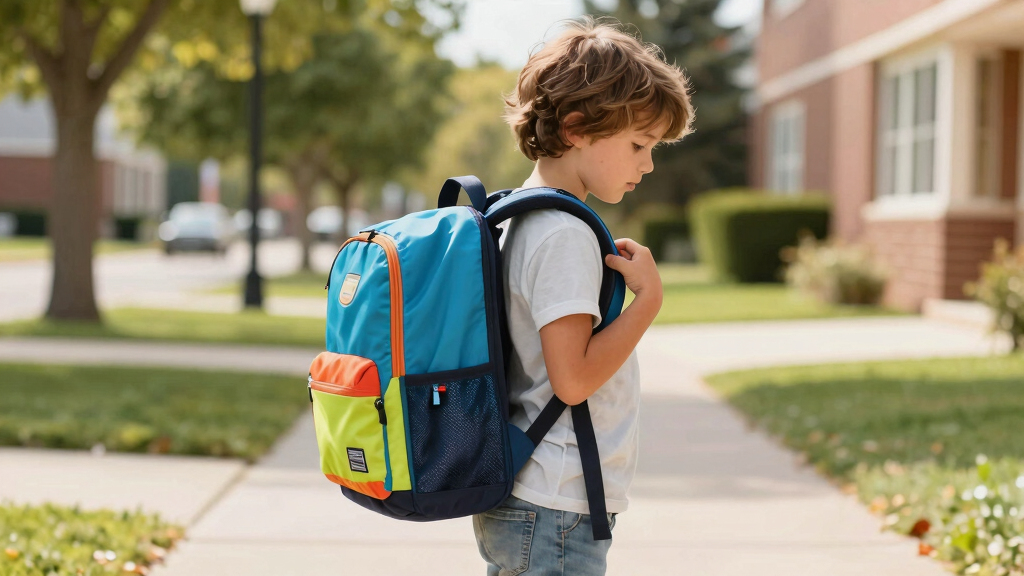
Ensure the pack fits snugly against the back, with adjustable straps for a tailored fit.
Prioritize features like padded straps, waist belts, and breathable panels for comfort.
Pack heavy items close to the spine and use compartments to distribute weight evenly.
Regularly inspect and replace backpacks to avoid discomfort and posture issues.
What Makes an Ergonomic Backpack Better for Kids?
Ergonomic backpacks are crafted to fit a child’s body and promote proper posture. They distribute weight evenly across the back and shoulders, reducing strain on the spine and muscles. Think of it as a health investment—poorly designed bags can lead to discomfort, fatigue, and even long-term musculoskeletal problems. Features like padded straps, a supportive back panel, and adjustable torso length aren’t just comfort perks; they are crucial for maintaining spinal alignment. For instance, a backpack with a well-padded back panel helps prevent pressure points that can cause soreness, while adjustable straps allow customization to fit different body sizes. Over time, neglecting these features can result in children developing poor posture habits, which may lead to chronic issues as they grow. Therefore, choosing an ergonomic backpack isn’t merely about comfort—it’s about safeguarding ongoing spinal health and preventing future discomfort.
As an affiliate, we earn on qualifying purchases.
How to Pick the Perfect Fit for Your Child
Choosing the right size isn’t just a matter of convenience; it directly impacts your child’s spinal development. When a backpack is too large, it tends to shift, causing your child to lean forward or sideways to compensate, which can strain muscles and distort posture over time. A poorly fitting pack can also lead to uneven weight distribution, increasing the risk of chronic back pain. Conversely, a pack that’s too small may not accommodate all necessary items, prompting children to overstuff or carry multiple bags, which again stresses their developing spines. Measuring your child’s torso ensures the backpack aligns with their natural posture, supporting the spine’s curve rather than fighting against it. Proper fitting involves more than just size; it includes adjusting straps so the pack sits snugly against the back without restricting movement. This balance is vital because it encourages children to maintain correct posture during daily activities, establishing healthy habits early. Remember, a well-fitted backpack is an investment in your child’s physical health and confidence—helping them carry their load with ease and safety.
Top Features to Look for in an Ergonomic Kids’ Backpack
| Feature | Why It Matters |
|---|---|
| Padded shoulder straps | Proper padding helps distribute weight more evenly across the shoulders, reducing localized pressure points that can cause discomfort or numbness. Without sufficient padding, straps may dig into the skin, especially during extended wear, leading to irritation. Well-padded straps also help prevent children from instinctively leaning forward or adjusting their posture to alleviate discomfort, which over time can cause misalignment and strain. The tradeoff is that excessive padding can add weight, so finding a balance is key. Ultimately, padded straps are a simple yet effective way to minimize discomfort and support proper load carriage, encouraging kids to carry their backpacks with better posture. |
| Waist and chest straps | These straps serve as stabilizers, anchoring the pack to the child’s torso. They help distribute the load more evenly across the hips and chest, reducing the tendency to lean forward or sideways. When used correctly, they minimize sway, which can jar the spine and cause muscular fatigue. The presence of these straps allows for a more balanced load, especially when carrying heavier books or supplies, but they need to be adjustable to fit different body shapes. The tradeoff is that if these straps are poorly designed or improperly adjusted, they can cause discomfort or restrict movement. Properly used, they significantly improve load stability and posture, making the backpack feel more like an extension of the child’s body rather than an external burden. |
| Lightweight materials | Reducing the overall weight of the backpack lessens the load your child has to carry, which is crucial because heavier packs increase the risk of musculoskeletal strain. Lightweight fabrics allow for a durable yet less cumbersome bag, encouraging children to carry only what they need. The advantage is that it minimizes fatigue and the likelihood of poor posture resulting from overexertion. The tradeoff is that lightweight materials sometimes compromise durability, so choosing high-quality yet lightweight fabrics is essential. Well-designed lightweight backpacks strike a balance—being sturdy enough to withstand daily use while keeping weight to a minimum, thereby supporting healthy spinal development. |
| Multiple compartments | Having several compartments encourages organized packing, which helps distribute weight more evenly and keeps heavier items close to the back. When children pack thoughtfully, they reduce the tendency to overstuff or carry unbalanced loads that can cause tilting or uneven strain. Compartments also promote better posture by preventing items from shifting during movement, which can destabilize the load. The tradeoff is that too many compartments can complicate packing, but a well-designed backpack offers a balance that supports ergonomic principles without overwhelming the user. Proper organization and distribution of weight across compartments help maintain a natural posture and prevent discomfort during long school days. |
| Breathable back panel | Good ventilation in the back panel prevents excessive sweating and chafing, which can lead to skin irritation or rashes, especially during active days. Keeping the back dry and cool reduces discomfort and the risk of skin infections. Additionally, a breathable panel encourages children to wear the backpack correctly, rather than adjusting or removing it due to discomfort. The tradeoff may be that breathable materials sometimes sacrifice some durability or aesthetic appeal, but the health benefits outweigh these concerns. Overall, a ventilated back panel enhances comfort, helping children maintain good posture and wear their backpacks properly throughout the day, thereby supporting long-term musculoskeletal health. |
Smart Design Trends Making Backpacks More Kid-Friendly
Designers are blending style with function, making ergonomic backpacks more appealing. Think vibrant colors, fun patterns, and sleek shapes that kids love. Some backpacks now include features like reflective strips for safety, built-in USB ports for charging devices, or compartments for tablets and laptops. Imagine a backpack that not only supports your child’s health but also matches their personality and tech needs. These smart features encourage kids to carry their packs properly and take more pride in using them.
How to Pack a Backpack to Protect Your Child’s Back
- Place heavier items close to the back, against the spine. Think textbooks or lunchboxes. Proper placement ensures the weight is supported by the strongest part of the back, reducing the risk of strain or misalignment. Proper packing habits develop good posture and prevent children from leaning forward to compensate for uneven loads.
- Use compartments to distribute weight evenly across the pack. This prevents the backpack from becoming unbalanced, which can cause your child to lean or twist awkwardly, leading to discomfort or injury. Even weight distribution helps maintain the natural curve of the spine.
- Avoid overstuffing—only pack what’s necessary for the day. Excess weight forces your child to carry more than their body can handle comfortably, increasing the likelihood of back pain. Teaching moderation supports healthy growth and posture.
- Adjust straps to keep the backpack snug against the back. Loose straps allow the pack to shift during movement, disrupting posture and increasing strain. Proper adjustment ensures the load stays close to the body’s center of gravity.
- Regularly check and clean the pack to prevent discomfort caused by dirt or worn-out straps. A clean, well-maintained backpack ensures all support features work properly, maintaining ergonomic benefits. This routine also encourages children to develop good habits in caring for their belongings.
Common Mistakes Parents Make When Buying Kids’ Backpacks
Many parents focus only on style or price. But ignoring size and features can lead to discomfort and long-term health issues. Buying a too-large pack makes it difficult for kids to carry without slouching, which over time can cause misalignment and chronic pain. Overloading it with heavy books without proper support strains growing spines and muscles, potentially leading to postural problems. Skipping adjustable straps or choosing a pack without proper padding often results in poor fit and discomfort. For example, a colorful backpack might look appealing but could be too bulky or heavy for a small child’s frame, which can cause fatigue and poor posture over time. Recognizing these pitfalls helps prevent issues before they start, ensuring your child’s backpack promotes healthy development rather than hindering it.
When Should You Replace Your Kid’s Backpack?
Replace it when it no longer fits properly, shows signs of wear, or your child has grown significantly. A backpack that’s too small or too big won’t support proper posture and can cause discomfort or strain. Frayed straps, torn fabric, or broken zippers are clear indicators that the backpack’s structural integrity has been compromised, reducing its ergonomic effectiveness. If your child complains of back pain or discomfort, it’s a sign to re-evaluate the fit and weight of the current pack. Regularly updating the backpack ensures that it continues to support healthy posture and prevents musculoskeletal issues, especially during rapid growth phases. Investing in a new, well-fitting backpack acts as a proactive measure, helping your child carry their load comfortably and maintain good spinal health over time.
Frequently Asked Questions
How do I know if my child’s backpack is too heavy?
If your child complains of back or shoulder pain, or if the backpack weighs more than 15% of their body weight, it’s too heavy. Use a simple scale or weigh their pack regularly to keep it in check. Remember, lighter is better for growing bodies.
What features should I avoid in a kids’ backpack?
Avoid backpacks that are too large, heavy, or lack adjustable straps. Steer clear of packs with rigid, non-breathable materials or those without proper padding. These can cause discomfort or poor posture over time.
Can a stylish backpack also be ergonomic?
Absolutely. Many brands now combine fun designs with ergonomic features like padded straps, lightweight fabrics, and adjustable fits. Look for those options to get the best of both worlds.
How often should I have my child’s backpack measured or checked?
Every few months, especially during growth spurts, and at the start of each school year. Regular checks help ensure it still fits properly and remains comfortable.