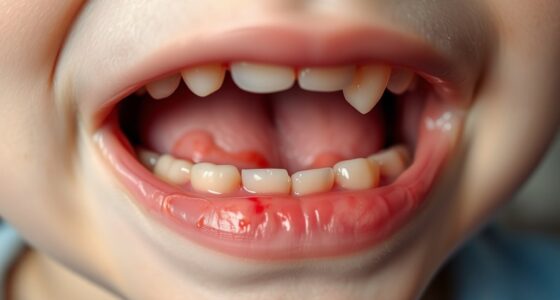
Using tooth fairy money can motivate your child to brush regularly, but it mainly offers external rewards that may not build lasting habits. Relying solely on money might overlook important aspects like reducing dental anxiety and teaching understanding about dental health. Building routines and explaining fluoride’s benefits foster internal motivation and healthier habits over time. Stick around to discover how combining rewards with education can better support your child’s oral health journey.
Open a free Amazon Business account
Business pricing, bulk buying and tax-exempt orders.
As an affiliate, we earn on qualifying purchases.
Key Takeaways
- Relying solely on tooth fairy money may undermine intrinsic motivation for consistent brushing.
- Combining rewards with education and routine fosters long-term, healthy dental habits.
- External incentives like money don’t address underlying dental fears or anxiety.
- Emphasizing fluoride benefits and understanding promotes sustainable oral health behaviors.
- Positive reinforcement and emotional support are crucial alongside tangible rewards for effective motivation.

Many parents rely on the promise of tooth fairy money to motivate kids to brush their teeth, but does this approach truly foster good dental habits? While offering a shiny reward can encourage children to brush regularly, it may not address underlying issues like dental anxiety or instill long-term motivation for oral health. If your child feels nervous about visiting the dentist or fears the sound of the toothbrush, the promise of money might only serve as a quick fix rather than a lasting solution. It’s important to understand that positive reinforcement can be effective, but it shouldn’t be the sole strategy. Instead, fostering a sense of routine and understanding about dental care can help reduce anxiety and promote healthier habits over time.
Using tooth fairy money can motivate, but building routines and understanding long-term benefits fosters lasting dental habits.
Educating your child about the benefits of fluoride plays a critical role in this process. Fluoride benefits are well-documented—they help strengthen tooth enamel, making teeth more resistant to decay. When your child understands that brushing isn’t just about avoiding cavities but also about protecting their teeth from future problems, they often develop a more intrinsic motivation to brush properly. Explaining how fluoride works can shift the focus from external rewards to internal health benefits, which tends to be more sustainable. For children with dental anxiety, emphasizing the protective effects of fluoride can also serve as reassurance that their routine is helping them stay healthy, not just fulfilling a chore.
Addressing dental anxiety is essential in cultivating good dental habits. If your child fears the dentist or the sound of the toothbrush, they may resist brushing altogether. Instead of relying solely on monetary rewards, try to create a calm and positive environment around dental care. Reading books about visiting the dentist, practicing gentle brushing together, or using a soothing voice can help alleviate fears. When kids associate brushing with comfort and care rather than punishment or anticipation of discomfort, they’re more likely to develop a natural desire to maintain their oral hygiene. Understanding the importance of dental health education can further empower children to take ownership of their habits. Incorporating positive reinforcement techniques that focus on emotional support can also make a significant difference in establishing lasting habits. Additionally, teaching children about biodiversity and sustainable living related to natural oral care products can foster a broader awareness of health and environment. Moreover, explaining how dental health is connected to overall wellbeing can help children see the bigger picture of their health.
Ultimately, while tooth fairy money can be a helpful initial motivator, it shouldn’t replace education and emotional support. By understanding fluoride benefits and actively working to reduce dental anxiety, you set your child up for healthier habits that last well beyond the promise of a small reward. When children see brushing as something that protects their teeth and makes them feel good, they’re more inclined to develop lifelong habits rooted in health, not just monetary incentives.
children's electric toothbrush with timer
As an affiliate, we earn on qualifying purchases.
As an affiliate, we earn on qualifying purchases.
Frequently Asked Questions
How Much Money Does the Average Child Receive From the Tooth Fairy?
You’ll find that the average child receives around $5 per tooth from the Tooth Fairy, but this varies widely. Many fall for Tooth fairy myths, expecting more, while others get less. Your child’s monetary expectations might be influenced by these myths, so it’s good to set clear, realistic guidelines. Remember, the real magic lies in the tradition and the encouragement to keep good dental habits.
At What Age Should Children Start Brushing Independently?
As the saying goes, “You’re never too young to learn good habits.” You should start encouraging your child to brush independently around age 3 or 4, once they can handle basic coordination. Building strong dental routines early fosters child independence and responsibility. Keep supervising initially, then gradually let them take over, reinforcing healthy habits. This approach helps your child develop confidence and independence in their dental care.
Are There Health Risks Associated With the Tooth Fairy’s Monetary Gifts?
There are minimal health risks associated with tooth fairy monetary gifts, but it’s crucial to myth bust any concerns about promoting unhealthy habits. Giving money can motivate kids to brush regularly, supporting good oral hygiene. However, be mindful of the financial impact over time, especially if you’re giving large amounts. Keep the tradition fun and modest to avoid encouraging materialism while reinforcing positive habits, ensuring it remains a healthy motivation.
How Can Parents Encourage Consistent Brushing Habits Long-Term?
You can encourage long-term brushing habits by using behavior reinforcement and reward strategies. Praise your child when they brush well, making it a positive experience. Consider offering small rewards or privileges as incentives for consistent brushing, but make certain they’re meaningful and not solely material. Consistency, encouragement, and celebrating their efforts help build good habits over time, making brushing a natural part of their daily routine.
Does the Amount of Tooth Fairy Money Influence Dental Health?
The amount of tooth fairy money can influence dental health, especially if monetary value impacts your child’s motivation to brush. When rewards resemble cryptocurrency rewards, increasing in value as habits improve, children may feel more encouraged to maintain good oral hygiene. By offering meaningful rewards, you can boost their motivation, making them more likely to brush regularly and develop long-term habits that benefit their dental health.
Conclusion
Remember, the way you handle the tooth fairy can shape your child’s habits. Did you know that children who receive consistent, positive reinforcement about brushing are 50% more likely to develop strong oral hygiene? By making brushing fun and rewarding—just like the fairy’s magic—you can motivate them to keep their teeth healthy. Your small efforts now create lifelong habits, turning daily routines into magical moments that last a lifetime.
Fall Picks
fall essentials
As an affiliate, we earn on qualifying purchases.