The Tooth Fairy myth comes from centuries-old traditions where children’s teeth were seen as symbols of protection, luck, and strength. Cultures across Europe and Asia buried, burned, or kept teeth as part of rituals that celebrated growth and warded off harm. Over time, these customs merged with fairy lore in 19th-century Western Europe, creating a whimsical figure that embodies care and luck for children. If you want to explore how this enchanting story evolved, keep going.

Get baby and family essentials delivered free — and shop member deals
- Fast, free delivery on millions of items
- Access to Prime Big Deal Days deals on October 6–7
- Prime Video, Amazon Music and more included
Key Takeaways
- The myth originated from ancient European customs of burying or keeping children’s teeth for protection and good luck.
- Folklore from various cultures, including Scandinavian and Asian traditions, contributed to the concept of offering something in exchange for teeth.
- 19th-century Western fairy lore helped shape the modern, whimsical image of the Tooth Fairy.
- The myth symbolizes childhood milestones, growth, and protection, blending cultural beliefs and superstitions.
- It evolved from longstanding traditions into a universal story that connects generations through shared customs and folklore.
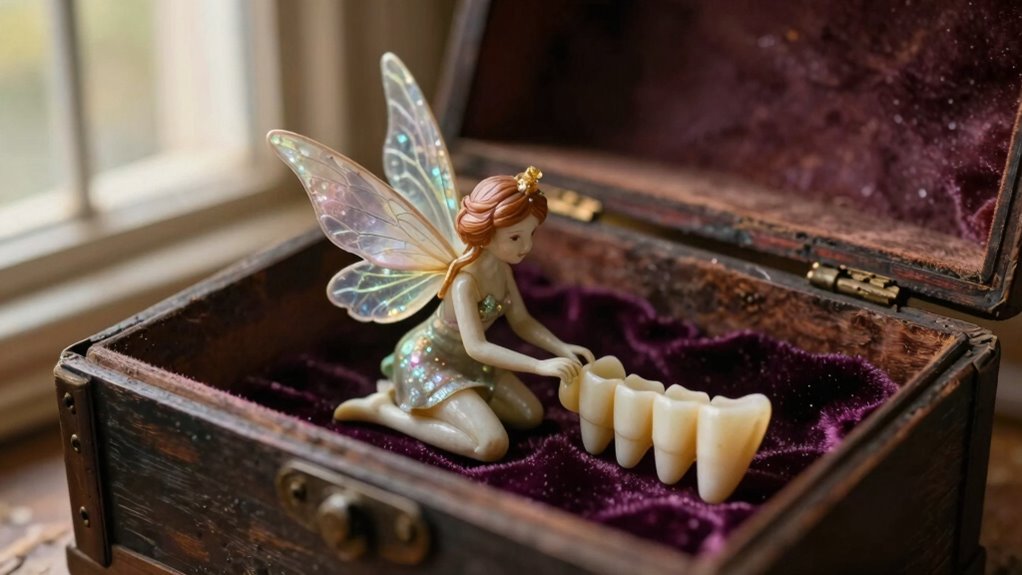
The origin of the Tooth Fairy myth is a fascinating blend of cultural traditions and historical beliefs that have evolved over centuries. When you think about it, this enchanting figure isn’t just a modern fairy tale; it’s rooted in a rich tapestry of cultural variations and historical folklore across different societies. Each culture has its own unique way of dealing with losing baby teeth, and these customs have shaped the way the Tooth Fairy is perceived today.
Across many cultures, there’s a long-standing tradition of valuing teeth, especially those of children. In some parts of Europe, ancient folklore suggested that teeth held special power or were symbols of strength. For example, in medieval times, children’s teeth were often buried or kept as lucky charms, believed to protect them from evil spirits. These customs laid the groundwork for a more ritualized approach when children lost their teeth, transforming a natural milestone into a cultural event. Over time, stories developed about offering something of value in exchange for teeth, which is a core aspect of the modern myth.
The concept of leaving a tooth in exchange for money or gifts has roots in various historical folklore practices. In some Scandinavian traditions, children would leave their teeth in a special place, and a character called the “Tooth Mouse” or “Tooth Keeper” would come to collect it, often leaving a small gift behind. Similar customs appear in Asian cultures, where children might burn or bury their teeth, believing it would help them grow strong adult teeth. These practices reflect a universal desire to protect children and celebrate their growth, blending superstition with caring traditions. Furthermore, the myth of the Tooth Fairy as a caring and protective figure has been shaped by these longstanding cultural beliefs. Additionally, the evolution of fairy lore in Western Europe during the 19th century helped craft the magical and whimsical personality that the modern Tooth Fairy embodies. Interestingly, these stories often incorporate elements of childhood development and societal values about growth and protection.
Ultimately, the Tooth Fairy myth is a product of many cultural variations and long-standing folklore. It’s a symbol of childhood milestones, infused with cultural beliefs about luck, protection, and growth. As you’ve learned, what began as a simple tradition in one part of the world has grown into a beloved, universally recognized figure, connecting generations through shared stories and customs.
As an affiliate, we earn on qualifying purchases.
Frequently Asked Questions
Are There Different Versions of the Tooth Fairy Myth Worldwide?
Yes, there are different versions of the tooth fairy myth worldwide. You’ll find cultural variations in how children’s lost teeth are celebrated or rewarded, rooted in diverse folklore origins. In some countries, a mouse or rat takes the place of the fairy, while others have traditions involving specific rituals or symbols. These variations reflect unique cultural beliefs and histories, making the myth a fascinating example of how folklore adapts across different societies.
When Did the Tooth Fairy First Become Popular in America?
Imagine a young child enthusiastic placing a lost tooth under their pillow, hoping the Tooth Fairy will visit. You might not know, but the Tooth Fairy tradition became popular in America during the early 20th century, blending mythical folklore with childhood rituals. This charming myth grew through stories and popular culture, creating a beloved figure who rewards kids for their lost teeth, making the tradition a lasting part of American childhood.
What Materials Are Traditionally Used to Make Tooth Fairy Coins?
Traditionally, tooth fairy coins are made from simple materials like metal or foil, resembling fairy tokens or tooth currency. You might use real coins, such as quarters, or craft your own with shiny foil or plastic tokens painted to look magical. The idea is to make the exchange feel special, so many people personalize their fairy tokens with glitter or designs, turning them into delightful keepsakes that symbolize the fairy’s reward for your lost tooth.
How Has the Tooth Fairy Myth Evolved Over Centuries?
You might think the Tooth Fairy’s story is ancient, but it’s actually evolved considerably over centuries. Cultural variations influence how she’s portrayed worldwide—some see her as a fairy, others as a mouse or a bird. Modern adaptations introduce digital stories and themed toys, making her more relatable to kids today. This evolution keeps the myth fresh, blending tradition with contemporary fun, ensuring children remain enchanted by her whimsical, changing nature.
Are There Any Psychological Benefits to Believing in the Tooth Fairy?
Believing in the tooth fairy offers psychological benefits by nurturing your childhood imagination and supporting belief development. As you embrace this myth, you learn to trust in magic and wonder, which can boost creativity and foster positive feelings about change, like losing teeth. This belief creates a safe space for curiosity and joy, helping you develop resilience and a sense of security during childhood, which can influence your outlook as you grow.
Conclusion
As you reflect on the Tooth Fairy’s origins, it’s like discovering a hidden treasure chest buried in history’s sands. Just as children once left their teeth for a small reward, today’s myths remind us of the universal desire for wonder and reassurance. Knowing its roots can transform a simple childhood tradition into a meaningful story that connects generations. So, next time you see a lost tooth, think of it as a tiny piece of a much larger, shared story.
Fall Picks
fall essentials
As an affiliate, we earn on qualifying purchases.