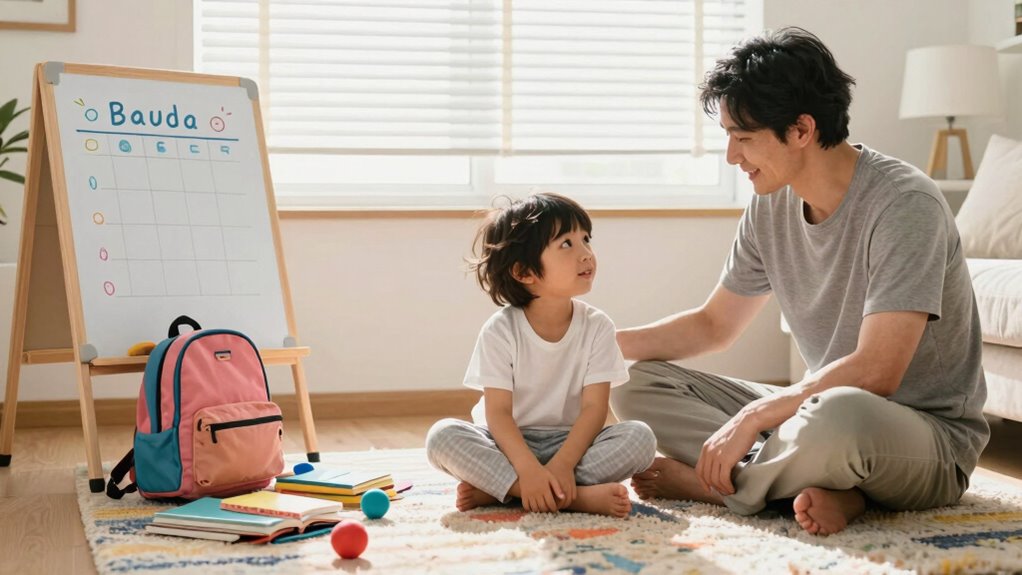

To reset kids’ routines after spring break without a meltdown, gradually reintroduce familiar activities instead of abrupt changes, blending play with structure. Focus on healthy snacks and consistent daily schedules to build stability. Communicate calmly and involve your children in planning, giving them a sense of control. Be flexible when needed, using calming routines like reading or breathing exercises. For more strategies to make the shift smoother, keep exploring ways to support your child’s adjustment.

Get baby and family essentials delivered free — and shop member deals
- Fast, free delivery on millions of items
- Access to Prime Big Deal Days deals on October 6–7
- Prime Video, Amazon Music and more included
Key Takeaways
- Gradually reintroduce daily routines with engaging activities to ease transition and reduce overwhelm.
- Communicate upcoming changes positively, involving children in planning to foster cooperation and control.
- Maintain consistent schedules for meals, bedtime, and activities to provide stability and reassurance.
- Incorporate healthy snacks and calming practices to promote energy and emotional regulation.
- Remain flexible and patient, adjusting routines as needed to prevent resistance and support a smooth reset.
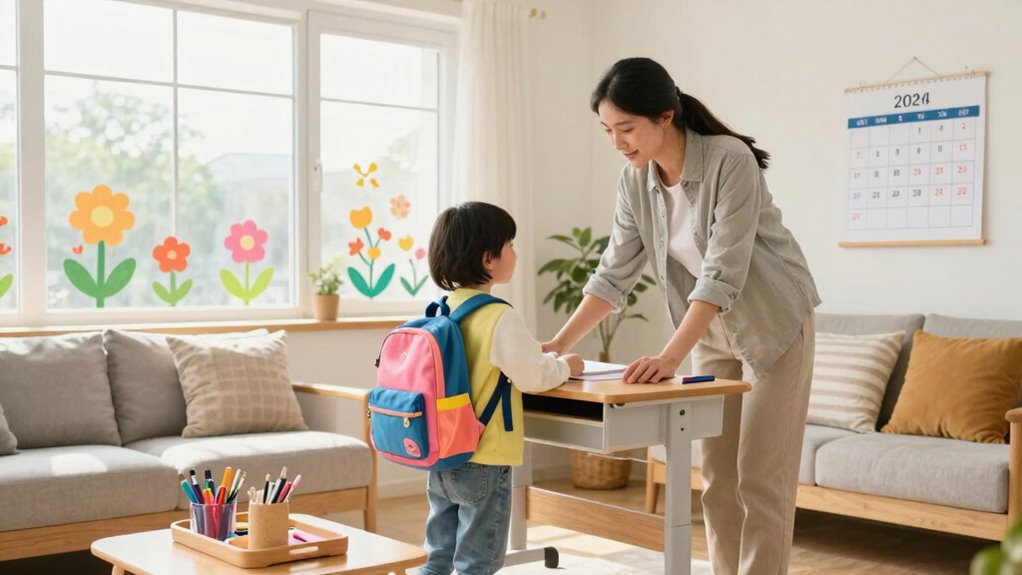
After spring break, it’s common for kids to struggle with getting back into their usual routines. Their days were likely filled with fun, adventure, and relaxation, so returning to regular schedules can feel jarring. To ease this transition, you can start by gradually reintroducing structure, instead of making abrupt changes. Incorporate creative activities into their daily routine. For example, set aside time for drawing, storytelling, or building with blocks. These activities help children reconnect with their routines in a fun and engaging way, making the shift less overwhelming. By blending play with structure, you create a positive environment that encourages kids to adapt without resistance.
Ease the post-spring break transition by gradually reintroducing routines through fun, creative activities like drawing and storytelling.
Another effective step is to focus on healthy snacks. After indulging during spring break, your kids might crave sugary treats or processed foods. Instead of cutting out all treats suddenly, introduce a variety of nutritious snacks that appeal to their tastes. Fresh fruit slices, yogurt, or veggie sticks with hummus can become exciting options they look forward to. Healthy snacks not only boost energy but also create a sense of normalcy. When children associate routine with nourishing choices, they’re less likely to feel deprived or upset about returning to their schedules. Additionally, understanding the importance of consistent routines and healthy habits can help children feel more secure during this transition. Establishing a predictable daily schedule can also provide additional comfort and stability for children adjusting back to their routines. Incorporating routine consistency helps reinforce a sense of safety and predictability, which is crucial during periods of transition. Creating a clear and familiar daily structure can make children feel more grounded and confident as they transition back. Recognizing the benefits of routine and wellness practices can further support a smooth adjustment.
It’s also essential to communicate clearly and positively. Talk to your kids about what’s coming up and why routines are important. Use a calm tone, and involve them in planning the day’s activities. For example, let them choose which creative activity to do first or pick a healthy snack for the afternoon. Giving them a sense of control helps reduce anxiety and resistance. When kids feel heard and involved, they’re more willing to cooperate and transition smoothly. Reinforcing positive routines can foster a sense of accomplishment and security, making the adjustment easier for everyone.
Consistency is key, but don’t expect perfection overnight. Keep a steady rhythm for meals, bedtime, and activities, but remain flexible if needed. If you notice your child is particularly anxious or resistant, spend extra time on calming routines, like reading a favorite story or doing a short breathing exercise together. These moments create reassurance and help your child feel secure as they adjust back to their usual routine.
kids calming breathing exercises
As an affiliate, we earn on qualifying purchases.
As an affiliate, we earn on qualifying purchases.
Frequently Asked Questions
How Long Does It Usually Take to Re-Establish Routines?
It typically takes about a week to re-establish routines, but it might feel like a lifetime! You’ll see bedtime consistency return and breakfast routines fall into place faster. The key is patience and persistence—don’t give up if it takes a little longer. Keep daily schedules predictable, and your kids will settle back into their routines, feeling secure and ready to face each day with a smile.
Should I Reward Kids for Adjusting Back to Routines?
Yes, rewarding kids for adjusting back to routines encourages behavior consistency and makes the shift smoother. Use positive reinforcement like praise or small rewards to acknowledge their efforts. This approach helps them feel supported and motivated, reducing resistance and stress. Remember, consistency is key, so continue reinforcing good habits, and over time, adapting to routines will become natural for your kids without causing frustration.
What if My Child Resists the New Schedule?
What if your child resists the new schedule? You can gently enforce bedtime consistency and set clear screen time limitations, making the routine feel predictable and secure. Have you considered involving your child in creating the schedule? This empowers them and eases resistance. Stay patient, keep communication open, and gradually reinforce the new routine. Over time, consistency and understanding help your child adjust without meltdowns.
How Can I Make Mornings Less Stressful?
You can make mornings less stressful by establishing a calming routine, like reading a quick bedtime story in the morning to start the day positively. Prepare healthy snacks the night before so everyone has energy, and keep a consistent wake-up time. Involving your child in choosing their clothes or breakfast can also reduce resistance, creating a smoother, more relaxed morning for everyone.
Are There Specific Activities to Help Transition Smoothly?
You can make the shift smoother with activities that feel like magic! Try using interactive games and creative crafts to redirect your child’s focus and energy positively. These activities turn the intimidating task of back-to-school into an exciting adventure, easing their nerves. Play a quick game like “Morning Race” or do a fun craft that gets them talking and laughing. These small moments make a big difference in resetting routines without meltdowns.
Conclusion
Getting back into a routine after spring break can feel challenging, but with patience and small steps, it’s totally manageable. Remember, kids thrive on consistency, so stick to a predictable schedule as much as possible. If resistance pops up, stay calm and gentle—change takes time. Before you know it, your family will settle into a new rhythm, feeling more organized and relaxed. You’ve got this—just keep moving forward one day at a time.
Fall Picks
fall essentials
As an affiliate, we earn on qualifying purchases.