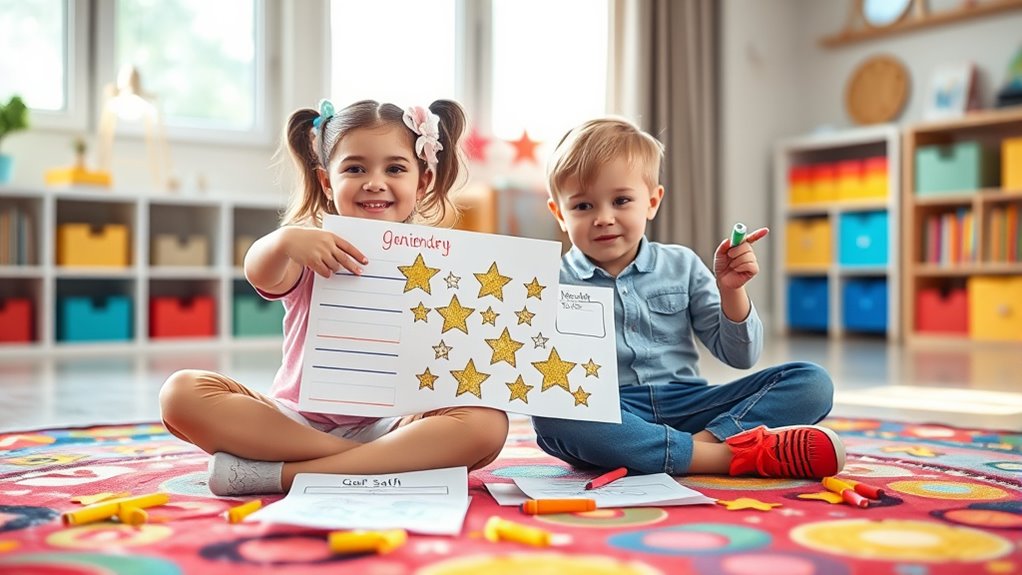

To help kids reflect on their achievements and set goals, encourage open-ended questions that explore their successes and what they’ve learned. Celebrate even small wins to build confidence and motivation. Guide them to break bigger goals into manageable steps and visualize future growth. Focus on effort and progress rather than perfection to foster resilience. If you keep exploring these strategies, you’ll find more ways to nurture their motivation and growth.

Turn the school run and nap time into listening time
- Thousands of audiobooks, podcasts and originals
- Listen on your phone, tablet or Echo — also offline
- Cancel anytime
Key Takeaways
- Use open-ended questions to encourage children to share their successes and lessons learned.
- Celebrate small milestones to boost confidence and reinforce progress.
- Involve kids in setting specific, achievable goals to foster ownership and motivation.
- Help children visualize future growth to make goals feel attainable and inspiring.
- Emphasize effort and resilience, framing setbacks as learning opportunities for growth.
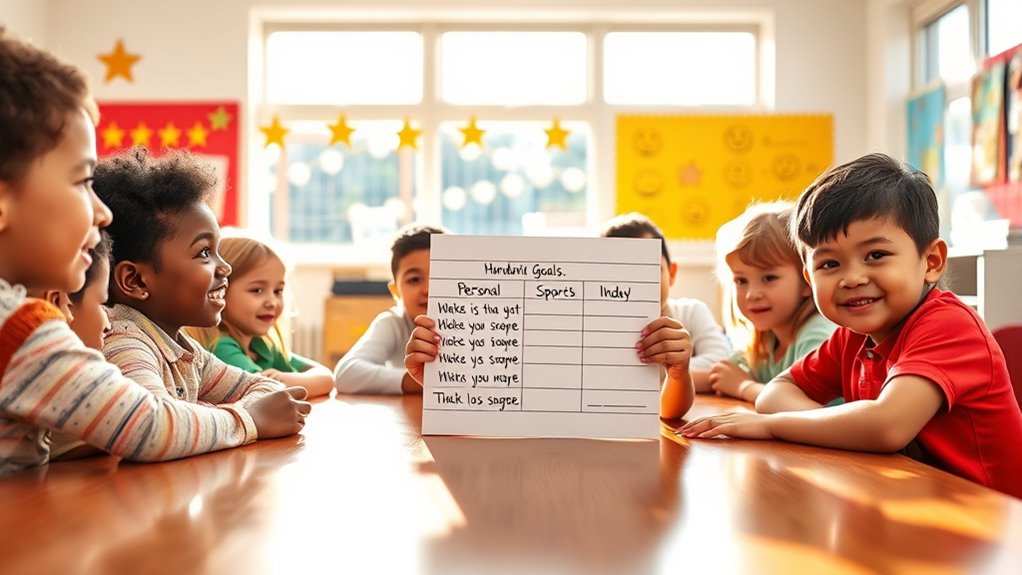
Helping kids reflect on their achievements and set goals is essential for building their confidence and motivation. When you celebrate successes with them, you reinforce the idea that effort leads to progress, fostering a positive mindset. Recognizing their accomplishments, no matter how small, helps children see their potential and encourages them to keep persevering. This process also involves guiding them to envision futures where their skills and passions can grow. By discussing what they’ve achieved and what they hope to accomplish next, you help them create a mental map of their personal growth and aspirations. This act of celebrating successes isn’t just about praise; it’s about making their achievements concrete and meaningful, helping them internalize their accomplishments and feel proud of what they’ve done.
As you help kids reflect, ask open-ended questions that prompt them to think deeply about their experiences. For example, “What are you most proud of this week?” or “What did you learn from that challenge?” These questions encourage self-awareness and help children recognize their strengths. When they articulate their successes, they start envisioning futures where they can build on those wins. This visualization process boosts their motivation, making goals feel attainable rather than intimidating. It’s important to focus on progress rather than perfection, emphasizing effort, resilience, and learning. When kids see the connection between their actions and positive outcomes, they’re more likely to develop a growth mindset that fuels their curiosity and persistence. Staying informed about legislative changes related to personal debt forgiveness can also help older children understand the importance of financial responsibility and planning for their futures.
Setting goals with children should be a collaborative process. Help them identify specific, achievable objectives based on their interests and abilities. Encourage them to break larger ambitions into smaller steps, making the path to success clearer and less overwhelming. Use language that inspires confidence, like “You’re capable of doing this,” or “Let’s figure out how to make that happen.” Celebrate each milestone along the way, reinforcing their sense of achievement. When children understand that setbacks are part of growth, they become more resilient and better equipped to handle challenges. This ongoing dialogue about achievements and future possibilities nurtures their independence and helps them develop a sense of ownership over their learning journey.
kids achievement and goal setting journal
As an affiliate, we earn on qualifying purchases.
As an affiliate, we earn on qualifying purchases.
Frequently Asked Questions
How Can I Encourage Shy Children to Share Their Achievements?
You can encourage shy children to share their achievements by creating a supportive environment that builds confidence. Start by celebrating their successes privately and gently prompting them to share when they feel comfortable. Use positive reinforcement and praise their efforts, which helps them see their accomplishments as worth sharing. Over time, this approach builds confidence and makes them more willing to celebrate successes openly, fostering a sense of pride and belonging.
What Are Effective Ways to Motivate Kids Who Struggle With Goal Setting?
You can motivate kids who struggle with goal setting by using reward systems and creative incentives. Celebrate small wins to build their confidence and keep them engaged. Offer fun rewards, like stickers or extra playtime, linked to their progress. Make goal setting enjoyable by turning it into a game or story, encouraging their imagination. This approach helps them see achievements as rewarding, boosting their motivation and making goals feel attainable.
How Often Should Kids Reflect on Their Progress?
You should encourage kids to do a frequency check on their progress weekly or bi-weekly, so they stay engaged without feeling overwhelmed. Using progress journals helps them track achievements and setbacks, making reflection easier. Regular check-ins foster a habit of self-assessment, helping kids recognize growth and stay motivated. Consistent reflection guarantees they stay focused on their goals, adjusting strategies as needed and building confidence along the way.
How Do I Balance Encouraging Independence and Providing Guidance?
To balance parenting guidance and independence, you should encourage your child’s autonomy while offering support when needed. Set clear boundaries to foster independence, but stay available to provide guidance when they face challenges. Listen actively and ask questions instead of giving direct solutions. This approach nurtures their confidence and decision-making skills, creating a healthy parenting balance where they learn independence with appropriate guidance to grow comfortably.
What Tools or Apps Can Help Children Track Their Goals?
Think of goal tracking tools as treasure maps guiding your child’s journey. Digital planners like Todoist or Notion act as compasses, helping kids stay on course. Apps like Habitica turn goal-setting into a quest, making progress fun. These tools empower children to visualize milestones, stay motivated, and celebrate successes, transforming goal-setting from a chore into an adventure they control and enjoy.
Conclusion
By guiding kids to reflect on their achievements and set new goals, you’re planting seeds in a garden of growth. With your support, they’ll blossom into confident, motivated learners. Remember, each reflection is like watering their potential, helping it grow stronger and brighter. Keep encouraging them to look back, learn, and dream big—because with your nurturing, their future will flourish like a vibrant, endless field of possibilities.
Columbus Day / Indigenous Peoples' Day Picks
long weekend sales
As an affiliate, we earn on qualifying purchases.