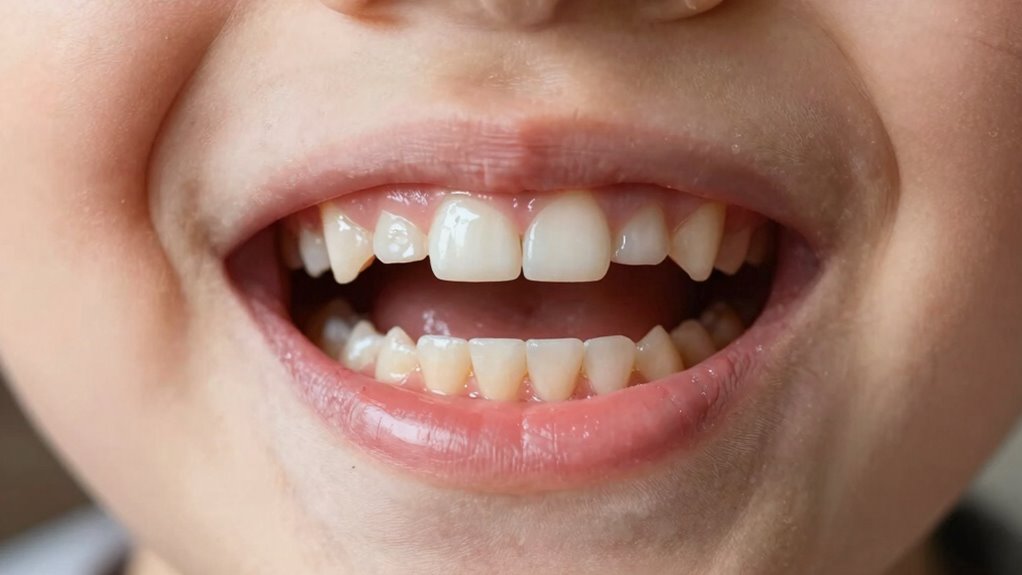
Your first lost tooth feels bigger because it marks a major milestone in your growth, packed with emotional and social significance. It’s an unfamiliar experience, so it seems more momentous and memorable. This event symbolizes your physical and developmental progress, making it stand out. Emotions like excitement and curiosity amplify its importance, creating a lasting impression. If you want to understand why future losses feel less intense, keep exploring what makes this first event so special.

Turn the school run and nap time into listening time
- Thousands of audiobooks, podcasts and originals
- Listen on your phone, tablet or Echo — also offline
- Cancel anytime
Key Takeaways
- The first tooth loss is a novel and unfamiliar experience, amplifying its emotional and perceived significance.
- Childhood milestones like the first lost tooth evoke strong emotional responses that strengthen memory.
- The event symbolizes growth and change, making it feel more momentous than subsequent, routine losses.
- Social and family acknowledgment during the first loss enhances its importance and emotional impact.
- The brain’s heightened receptivity to new experiences during childhood makes the first loss seem bigger.

Losing your first tooth is a milestone that often feels much more significant than subsequent ones, and part of that feeling comes down to how your brain perceives the change. During childhood, this event marks an important chapter in tooth development and signifies a major childhood milestone. When you’re young, your teeth are growing, shifting, and falling out as part of a natural process. But your brain doesn’t just see it as a simple event; it interprets it as a sign of growing up, which amplifies its importance in your mind. The first time you lose a tooth feels like a major shift, making it seem bigger than later losses, even though the physical change may be less dramatic.
Your initial tooth loss is unique because it signals a changeover from baby teeth to adult teeth. It’s the first real evidence of your body’s development and the ongoing process of tooth development. That’s what makes it stand out among childhood milestones, requiring a bit more emotional and social acknowledgment. You might have been told stories, read books, or received special encouragement from parents and teachers, which only heightens the significance. The experience is often accompanied by excitement, curiosity, and sometimes worry—factors that make the event stick in your mind as something extraordinary. Over time, losing teeth becomes a regular part of growing up, but the first one remains etched in memory because it’s associated with change and growth. Additionally, the emotional responses linked to childhood milestones enhance memory retention, making these moments more memorable.
Furthermore, because childhood milestones are often linked to emotional responses, they tend to leave a lasting impression on our memory. As you grow older, losing subsequent teeth doesn’t carry the same weight in your perception. Your brain has already processed the idea that losing a tooth is part of childhood development, so it doesn’t trigger the same emotional response. It’s just another step in the natural cycle, and your mind tends to view it as less momentous. The initial loss, however, was an unfamiliar experience, and the novelty made it seem larger than life at the time. This is compounded by the fact that childhood milestones often come with a sense of achievement or passage, making the first tooth loss feel like a rite of passage. Recognizing the significance of childhood milestones helps explain why these moments are so deeply ingrained in our memories. Moreover, this heightened perception of significance during childhood is partly because your brain is particularly receptive to new and unfamiliar experiences, which amplifies the emotional impact of such events.
Furthermore, the brain’s perception of significance is heightened during childhood because of the way it processes new and unfamiliar experiences, especially those linked to major developmental changes. In essence, the first lost tooth stands out in your memory because it’s intertwined with your understanding of growth, change, and childhood milestones. Your brain perceives it as a bigger event because it symbolizes a significant developmental step. As you get used to losing teeth, those subsequent losses seem smaller because they no longer carry the same emotional weight. But that first one remains special, a marker of a key stage in both tooth development and your journey through childhood.
children's first lost tooth keepsake box
As an affiliate, we earn on qualifying purchases.
As an affiliate, we earn on qualifying purchases.
Frequently Asked Questions
How Does Age Affect the Perception of a Lost Tooth?
As you age, your perception of a lost tooth changes because childhood perceptions are influenced by growth and development. When you’re younger, losing a tooth feels like a big milestone, amplifying its size in your mind due to excitement and novelty. As you grow older, you understand the natural process better, so your age perception adjusts, making subsequent losses seem less significant and the missing tooth appear less prominent.
Can Emotional Factors Influence How a Lost Tooth Feels?
Think of your lost tooth as a symbol of childhood’s innocence. Emotional attachment can make it feel more significant, heightening your awareness and influencing how you perceive its size. If it’s tied to self-esteem, you might feel a sense of loss or vulnerability, making the sensation seem larger. These emotional factors amplify your perception, turning a simple tooth loss into a meaningful event that resonates with your feelings and self-image.
Are There Cultural Reasons for Feeling Differently About Lost Teeth?
Yes, cultural reasons shape how you perceive losing teeth. Cultural symbolism and societal perceptions influence your feelings, making the first lost tooth seem more significant due to traditions like the Tooth Fairy or coming-of-age rituals. These cultural stories and societal expectations reinforce the importance of initial milestones, causing you to view that first loss as more memorable or impactful compared to subsequent ones, which may feel less symbolic or remarkable.
Does the Location of the Lost Tooth Impact Its Perceived Size?
Yes, the location of the lost tooth impacts how you perceive its size. Tooth placement affects your view; front teeth are more prominent, making their loss feel more noticeable and larger compared to back teeth. Additionally, jaw prominence influences perception—if your jaw sticks out more, losing a tooth in that area might seem bigger. Overall, the combination of tooth placement and jaw prominence shapes how big the tooth feels when lost.
How Do Oral Health Conditions Alter the Experience of Tooth Loss?
Even if you think oral health conditions don’t matter much during tooth loss, they do. Dental sensitivity can make the process uncomfortable, while a strong gag reflex might intensify feeling of discomfort or anxiety. These conditions can make losing a tooth seem more significant or painful, affecting your overall experience. Taking care of your oral health beforehand can ease the process, making tooth loss less intimidating and more manageable.
Conclusion
So, next time your first lost tooth feels strangely sizable, remember it’s just part of your playful, growing puzzle. As your smile shifts and shifts, those tiny teeters of change turn into treasured tales. Embrace each exciting, evolving encounter, knowing that every tiny tooth transforms into a symbol of your tenacious growth. After all, it’s not just a tooth—it’s a tiny chapter in your incredible, ever-changing story of self-discovery and splendid shedding.
Halloween Picks
halloween
As an affiliate, we earn on qualifying purchases.