
You’ll find that kids value handwritten notes more than material rewards because notes create genuine emotional connections that make them feel truly seen and appreciated. These notes reinforce their intrinsic values like kindness and effort, fostering internal motivation. Unlike tangible rewards, they boost feelings of pride and self-worth, making the gesture memorable. If you’re curious about how these emotional bonds shape kids’ attitudes and development, there’s more to discover below.

Turn the school run and nap time into listening time
- Thousands of audiobooks, podcasts and originals
- Listen on your phone, tablet or Echo — also offline
- Cancel anytime
Key Takeaways
- Handwritten notes evoke emotional connection, making children feel genuinely appreciated and valued beyond material rewards.
- Notes reinforce intrinsic values like effort and kindness, fostering internal motivation and pride.
- Emotional recognition through notes creates lasting memories that motivate children more than tangible rewards.
- Genuine acknowledgment nurtures self-esteem and resilience by emphasizing meaningful personal growth.
- Children prioritize the emotional significance of a note because it affirms their authentic qualities and relationships.
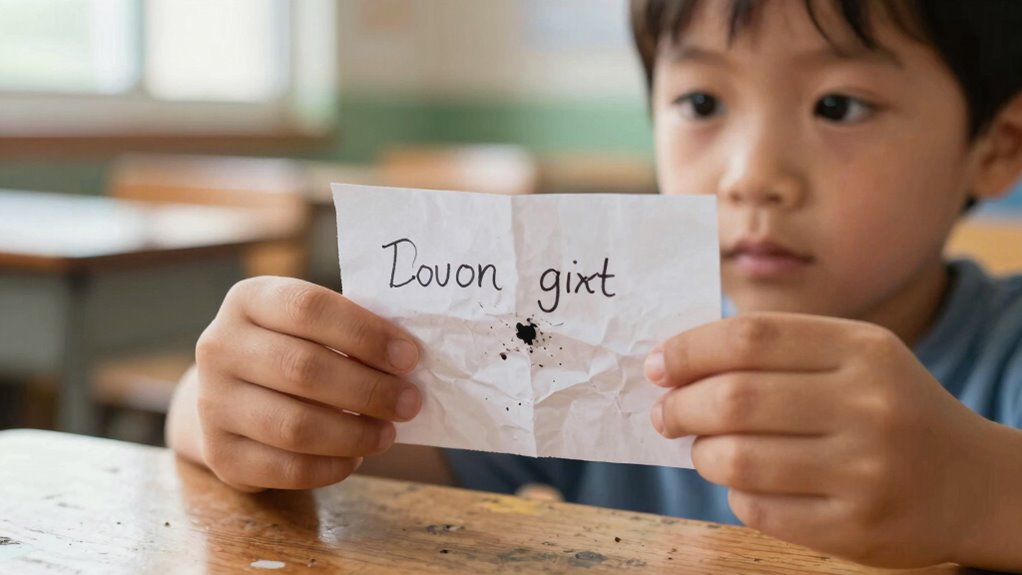
You might have noticed that some kids value a handwritten note more than the actual reward it offers. This is because, for them, the note taps into emotional motivation and intrinsic values in ways that a material gift can’t match. When you give a child a note, you’re not just offering words on paper; you’re providing a connection, a recognition of their effort or kindness that resonates deeply with their inner sense of worth. Unlike tangible rewards, which often rely on external validation, a heartfelt note appeals to their emotional core and encourages internal motivation.
A handwritten note also helps foster emotional connection, making the gesture more impactful. Kids who care more about the note tend to be driven by intrinsic values. They find joy and purpose in the act of being appreciated or understood, not just in the reward itself. When they receive a handwritten message, they feel seen and valued for who they are, not just what they’ve done to earn a prize. This sense of genuine acknowledgment fuels their emotional motivation, making the experience memorable and meaningful. As a result, they’re more likely to develop a sense of pride that stems from personal growth and the appreciation of meaningful gestures.
This emotional connection is vital because it helps kids understand that their actions have a deeper significance. When they see a note as a reflection of your genuine feelings, it reinforces their intrinsic values—such as kindness, effort, and authenticity. They learn that being appreciated is about more than just rewards; it’s about feeling understood and recognized for who they are. That feeling encourages them to act with intention and purpose, knowing that their efforts are valued beyond superficial gains. Recognizing the importance of emotional motivation can also positively influence their overall development and attitude towards learning and relationships.
Moreover, these notes often serve as a lasting reminder of their achievements, reinforcing positive behavior over time. When children receive meaningful notes consistently, they start to see recognition as a natural part of their growth rather than just an occasional reward. This helps establish a healthy attitude toward motivation rooted in internal satisfaction, fostering resilience and self-esteem. Additionally, these notes often foster a stronger, longer-lasting motivation. Kids who value emotional motivation tend to remember the kindness or recognition behind the note far more than the reward itself. It becomes a symbol of connection and appreciation they can carry with them. Over time, this helps them develop a healthier relationship with motivation—one that’s rooted in internal satisfaction and emotional fulfillment, rather than external perks. When you focus on giving notes that highlight their intrinsic qualities, you’re helping nurture their emotional well-being and encouraging a mindset where internal values matter most.
Products Worth Considering

Garmin Forerunner 165 Running Smartwatch 43mm Whitestone

Levoit Core 600S-P Smart Air Purifier for Large Rooms up to 2933 ft²

Oral-B iO5 Rechargeable Electric Toothbrush with 3 Brush Heads and Travel Case
As an affiliate, we earn on qualifying purchases.
Frequently Asked Questions
How Do Individual Personalities Influence Kids’ Motivation?
Your child’s personality traits and motivational styles shape how they respond to rewards and notes. If they’re naturally goal-oriented or enjoy recognition, they might value the note more than the reward. Conversely, kids with different personalities may focus solely on tangible incentives. Understanding their individual traits helps you tailor encouragement, making motivation more effective. You’ll see that knowing what drives them makes a big difference in fostering their growth and enthusiasm.
Can Parental Praise Impact a Child’s Preference for Notes?
Parental praise acts like a magnet, pulling kids toward notes because it shapes motivation dynamics. When you praise your child, they often see notes as more meaningful than rewards, craving your approval more than a tangible prize. This positive reinforcement encourages them to value the recognition and connection, making them more likely to prioritize notes over rewards in the future. Your praise truly influences their motivation, guiding their preferences and effort.
What Role Does Emotional Intelligence Play in Motivation?
Emotional intelligence boosts your motivation by enhancing emotional awareness and empathy development. When you understand your feelings and recognize others’ emotions, you’re more driven to achieve goals that align with your values. This awareness helps you stay focused and resilient, especially during setbacks. Empathy encourages deeper connections and intrinsic motivation, making tasks feel more meaningful. Overall, emotional intelligence fuels your motivation by fostering self-awareness and fostering stronger social bonds.
How Does Childhood Environment Affect Reward Sensitivity?
Your childhood environment profoundly influences your reward perception and sensitivity. A nurturing environment with consistent praise and clear boundaries helps you value intrinsic rewards, like pride or accomplishment. Conversely, an unpredictable or overly materialistic environment might make you more responsive to external rewards, like notes or prizes. This environment influence shapes how you interpret and prioritize rewards, ultimately affecting your motivation and emotional responses to success or effort.
Are There Cultural Differences in Valuing Notes Versus Rewards?
Imagine a child valuing a handwritten note more than a gift—this reflects cultural norms and parenting styles. In some cultures, praise and personal recognition are highly valued, making notes more meaningful. For example, Asian parenting styles often emphasize respect and acknowledgment, increasing a child’s appreciation for notes. Conversely, Western cultures may prioritize tangible rewards, so kids might care more about prizes than messages. Your child’s response depends on these cultural cues.
Conclusion
You might think kids chase rewards like trophies or money, but sometimes, they value a heartfelt note more. It’s like choosing a handwritten letter over a shiny medal—personal connection over material gain. When you focus on meaningful notes, you’re nurturing their sense of appreciation and authenticity. So, while rewards fade, a simple note can leave a lasting impression, proving that sometimes, the smallest gestures make the biggest impact.