
If your child is more cautious or anxious, they may need extra reassurance about the Tooth Fairy. These children often worry about losing their tooth or whether the Fairy will visit if they’re not “good enough.” They might find the tradition stressful instead of fun. Creating routines, offering choices, and emphasizing the magic can help ease their worries. Want to discover more ways to support your child’s feelings around the Tooth Fairy? Keep going to learn additional tips and strategies.

Turn the school run and nap time into listening time
- Thousands of audiobooks, podcasts and originals
- Listen on your phone, tablet or Echo — also offline
- Cancel anytime
Key Takeaways
- Children with cautious or anxious temperaments tend to need more reassurance about the Tooth Fairy’s visit.
- Increased childhood imagination can lead to doubts or worries, requiring gentle explanations and comfort.
- Children experiencing emotional insecurity may feel less confident about the tradition, needing extra support.
- Those who interpret the fairy tale as real or confusing may seek reassurance to ease their concerns.
- Children with a sensitive or nervous disposition benefit from routines and control to foster trust and safety.
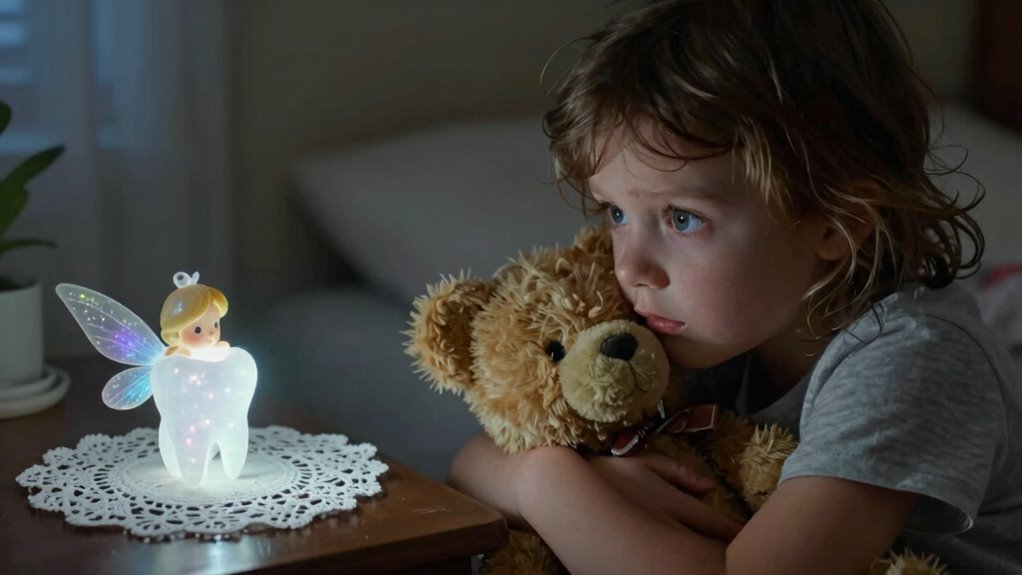
When your child loses their first tooth, it’s natural for them to feel a mix of excitement and uncertainty, especially about the Tooth Fairy’s visit. This moment marks a milestone in their childhood, and their understanding of Tooth Fairy traditions can vary widely depending on their personality, experiences, and imagination. Some children embrace the idea wholeheartedly, eagerly leaving their tooth under the pillow, excited to discover what the Tooth Fairy leaves behind. Others, however, may feel nervous or even skeptical, needing more reassurance because their childhood imagination might make the idea seem a little less real or more confusing. This difference is completely normal, and understanding why some children need more reassurance can help you support them through this magical yet sometimes uncertain experience.
Children with vivid childhood imagination tend to have a richer, more detailed view of fairy tales and magical beings, which can make the Tooth Fairy seem more real and tangible. For these kids, the tradition becomes a cherished story, and they often look forward to the visit with eager anticipation. But, on the flip side, their imagination can also lead to worries about whether the Fairy is real or if they’re expected to do something special for her. They might ask lots of questions or express doubts, seeking reassurance that they’ve done everything right. For these children, a gentle explanation about the tradition, emphasizing that it’s a fun story meant to celebrate growing up, can help ease their worries. Reinforcing the idea that the Tooth Fairy is a special part of childhood magic, rather than something they’re expected to prove or prove wrong, can make a big difference.
Children who are more cautious or anxious by nature may find the idea of the Tooth Fairy unsettling. They might worry about losing their tooth or fear that the Fairy won’t come if they’re not “good enough.” For these kids, the tradition might feel more like a stressful expectation than a joyful event. You can help by making the experience feel safe and predictable—perhaps by setting a routine for the tooth fairy visit, like placing the tooth and a note in a special spot. Reassure them that the Fairy’s visit is a kind gesture and that there’s no right or wrong way to participate. Giving them control over the process, like choosing where to leave the tooth or what to leave in exchange, can also boost their confidence and reduce anxiety. Recognizing that children’s perceptions are influenced by their childhood imagination can help you tailor your reassurance strategies more effectively. Understanding the importance of emotional security in children’s responses can further assist in creating a comforting experience.
Products Worth Considering

Withings Body Scan Smart Scale

Withings Sleep Under-Mattress Sleep Tracking Pad

Bowflex SelectTech 840 Adjustable Kettlebell
As an affiliate, we earn on qualifying purchases.
Frequently Asked Questions
How Can Parents Identify if Their Child Needs Extra Reassurance?
You can tell if your child needs extra reassurance by observing their reactions to tooth fairy traditions and how they express their childhood imagination. If they seem anxious, hesitant, or seek lots of reassurance about the tooth fairy, they may need more support. You might notice they ask many questions or appear uncertain about the story. Providing gentle explanations and engaging their imagination in a comforting way helps build confidence and ease their worries.
Are There Specific Signs That Indicate a Child Is Anxious About Losing Teeth?
If your child clings to concerns about losing teeth, they might show signs of anxiety about the process. Watch for withdrawal or worry, especially if they resist the Tooth Fairy myths or express fears about dental damage. Dental anxiety can cause hesitation or heightened sensitivity during dental visits. Recognizing these signs helps you provide comfort, reassure them with gentle guidance, and turn fears into fairy-tale fun, easing their shift from worry to wonder.
How Does a Child’s Personality Influence Their Fear of the Tooth Fairy?
A child’s personality traits considerably influence their fear of the tooth fairy. If your child has a shy or sensitive temperament, they might feel more anxious about the unknown or magical elements. Extroverted or brave kids may embrace the fairy’s visit with excitement. Understanding their temperament helps you tailor reassurance, making them feel safe and confident about losing teeth. Your awareness of their personality fosters comfort and eases any fears.
What Are Effective Ways to Comfort a Fearful Child During Tooth Loss?
Did you know that 65% of children find comfort through familiar routines? To help a fearful child during tooth loss, create reassuring routines like reading gentle Tooth Fairy stories or using a special tooth pillow. Offer hugs and positive words, emphasizing the magic and fun. These comforting actions help ease their fears, making the experience feel safe and exciting instead of scary.
When Should Parents Consider Seeking Professional Help for a Child’s Tooth Fairy Fears?
You should consider seeking professional help if your child’s Tooth Fairy traditions cause persistent anxiety or interfere with daily life. When their fears don’t improve with reassurance or child anxiety management techniques, a counselor can offer support. Recognize signs like excessive crying, refusal to discuss the Tooth Fairy, or sleep disturbances. Addressing these concerns early helps your child cope better and guarantees they enjoy the magic without unnecessary distress.
Conclusion
So, as you navigate the delicate dance of comforting your little ones, remember that each child’s fears are like unique stars in their sky—some shine brighter, needing more gentle guiding. Your reassurance is the steady lighthouse, guiding them safely through the night’s shadows. With patience and love, you help them see that even the darkest clouds hold the promise of dawn. In your nurturing, you craft a childhood filled with trust, courage, and the magic of believing.