
Many cultures replaced the tooth fairy with a mouse because mice symbolize resourcefulness, resilience, and practicality—qualities valued in daily life. Unlike fairy figures, mice are familiar and relatable animals, making the myth more believable and meaningful for children. Their humble nature aligns with cultural lessons about making do with limited resources. If you’re curious, you’ll discover how these symbolic reasons reflect deeper traditions and stories passed down through generations.

Get baby and family essentials delivered free — and shop member deals
- Fast, free delivery on millions of items
- Access to Prime Big Deal Days deals on October 6–7
- Prime Video, Amazon Music and more included
Key Takeaways
- Mice symbolize resourcefulness and humility, aligning with childhood lessons on cleverness and making do.
- Mice are familiar, relatable animals that seamlessly fit into local customs and everyday life contexts.
- The simplicity and memorability of mouse-based myths facilitate cultural transmission across generations.
- In some cultures, mice are associated with resilience and practicality, making them a more believable figure for children.
- Replacing fairies with mice reflects cultural preferences for pragmatic, culturally embedded symbols of childhood milestones.
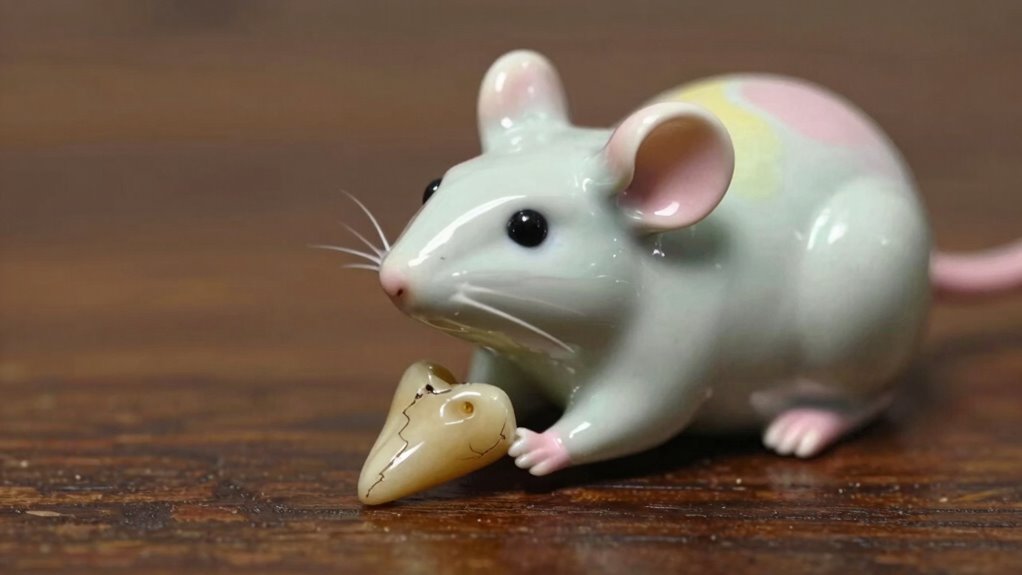
Many cultures have replaced the tooth fairy with a mouse because of historical, symbolic, and practical reasons. Throughout childhood traditions around the world, mythical creatures often serve as magical figures who take your lost teeth and leave something in return. While the tooth fairy is common in many Western countries, in others, a mouse—particularly a small, clever one—takes on that role. This shift isn’t random; it reflects deeper beliefs and cultural histories. You might wonder why a mouse, rather than a fairy, has become the preferred mythical creature in some traditions. It all links back to symbolism and practicality.
Many cultures favor mice over fairies for their symbolism, practicality, and cultural significance in childhood traditions.
In many cultures, mice symbolize resourcefulness, cleverness, and humility. Unlike the fairy, which is often depicted as delicate and whimsical, a mouse is humble, quick, and resilient. These qualities resonate with childhood lessons about resourcefulness and making do with what you have. As a childhood tradition, leaving a tooth under your pillow and waking up to find a small gift can be seen as a rite of passage, and the idea of a clever mouse collecting teeth embodies these values. The mouse’s association with cleverness makes it a fitting creature to take your tooth and leave a reward, often a small coin or gift.
Historically, practical reasons played a significant role in the replacement of the fairy with a mouse. In some regions, the concept of tiny, discreet creatures like mice was more relatable than the ethereal, often elusive fairy. Mice are familiar animals that live in homes and are easily associated with everyday life. This familiarity makes the myth more tangible and believable for children, especially in rural or resource-scarce communities where fairy-like beings seemed less credible. In these contexts, a hardworking mouse becomes a more practical symbol of the tooth collection process. Additionally, cultural symbolism often reinforces the value of resilience and resourcefulness, making the mouse an ideal figure.
Furthermore, myths involving mice have persisted because they adapt well to different cultural narratives, reinforcing childhood traditions. The story of a mouse collecting teeth is simple, memorable, and easy to incorporate into local customs. Over generations, these stories have been passed down, preserving the idea that mythical creatures like mice are guardians of childhood milestones. Whether in European folklore or other traditions, replacing the tooth fairy with a mouse reflects a cultural preference for familiar, pragmatic, and symbolic mythical creatures that embody resilience, resourcefulness, and humility.
As an affiliate, we earn on qualifying purchases.
Frequently Asked Questions
Are There Any Cultures That Still Use the Tooth Fairy Today?
Yes, some cultures still use the tooth fairy today, but with variations like the Tooth Mouse or other mythical creature symbolism. In Spain and Latin America, kids leave their teeth for the “Ratoncito de los Dientes,” a small mouse. These cultural tooth rituals emphasize the importance of childhood milestones and oral health, blending tradition and myth to make losing teeth a special, memorable event for children.
How Did the Mouse Become the Symbol for Children’s Lost Teeth?
You might wonder how the mouse became a symbol for children’s lost teeth. In many cultures, mice are seen as clever and resourceful, fitting into mythic symbols of good luck and prosperity. Cultural adaptations, like the European tradition of the tooth mouse, evolved from these beliefs, replacing the fairy with a small rodent. This shift reflects how different societies interpret and incorporate mythical symbols into childhood rituals around losing teeth.
Do Different Types of Mice Appear in Various Cultural Stories?
Did you know that different types of mice appear in cultural stories worldwide? In many traditions, the house mouse symbolizes resourcefulness, while the field mouse often represents wisdom. These mice serve as cultural symbolism, embodying traits like cleverness or innocence. Mythical creatures like the rat in Chinese folklore also influence these stories. You see, each culture’s unique mice reflect their values, making them fascinating figures in storytelling across various societies.
What Are the Origins of the Tooth Fairy Legend in Western Cultures?
The origins of the tooth fairy legend in Western cultures stem from childhood traditions rooted in mythical symbolism. You might not realize that these stories evolved from ancient practices where children left their teeth as offerings, believing it would bring good luck or protection. Over time, the myth transformed into a magical fairy figure, symbolizing innocence and dreams. This enchanting tradition continues to shape childhood experiences across many Western societies today.
Are There Specific Rituals Associated With Exchanging Teeth in These Cultures?
You participate in cultural tooth rituals by following specific childhood tradition practices. In many cultures, you might leave your lost tooth under your pillow or on a special cloth, expecting a small gift or money in return. Some traditions involve placing the tooth in a particular spot, like a mouse-shaped container, reflecting the cultural significance of the mouse. These rituals make losing teeth a memorable, shared experience that connects you to your cultural roots.
Conclusion
So, next time you leave a tooth under your pillow, remember that in some cultures, a tiny mouse takes its place—quiet, humble, and practical. While the fairy might sparkle with magic, the mouse offers familiarity and simplicity. Both traditions show how different societies celebrate growth and change—one with glitter, the other with grit. Whether fairy or mouse, it’s a charming reminder that everyone has their own way of turning loss into hope.
Fall Picks
fall essentials
As an affiliate, we earn on qualifying purchases.