Kids love ritual objects more than perfect explanations because they connect emotionally and symbolize cultural stories and traditions. These objects give children a sense of identity, security, and belonging that words often can’t provide. Their meaning resonates on an instinctual level, evoking feelings that go beyond facts. Children instinctively respond to the emotional significance rather than seeking logical understanding. If you want to discover how these objects foster deep bonds, keep exploring this fascinating connection.

Turn the school run and nap time into listening time
- Thousands of audiobooks, podcasts and originals
- Listen on your phone, tablet or Echo — also offline
- Cancel anytime
Key Takeaways
- Children feel an emotional connection to ritual objects that symbolize cultural or spiritual meaning, beyond logical understanding.
- Ritual objects provide comfort, security, and a sense of belonging through their emotional and symbolic significance.
- Kids respond instinctively to the emotional resonance of objects, often valuing their symbolic meaning more than explanations.
- The long-lasting nature of ritual objects fosters attachment, familiarity, and continuity across generations.
- Emotional feelings evoked by ritual objects create a deeper, instinctual bond that surpasses intellectual explanations.
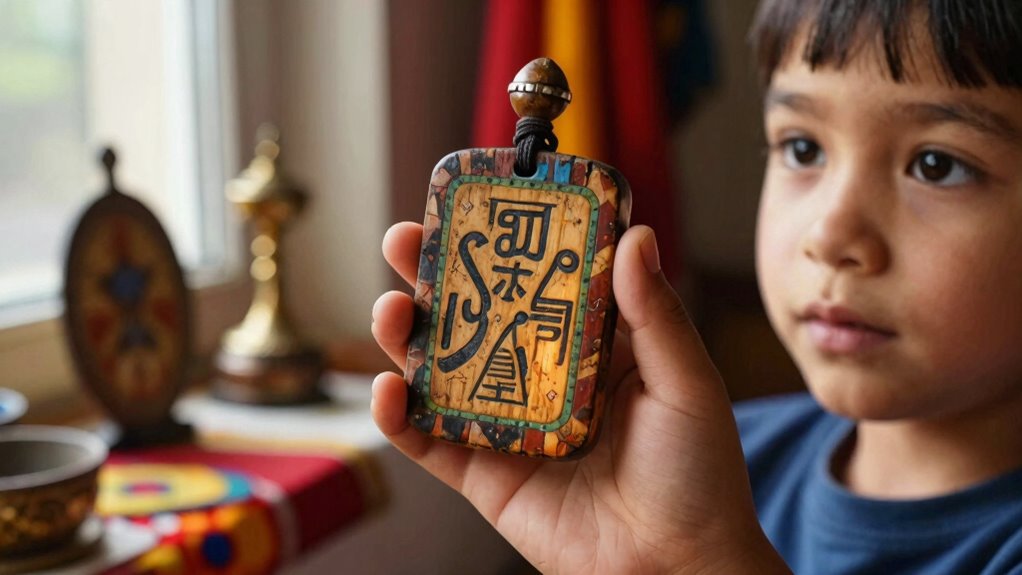
Kids often develop a fascination with ritual objects because these items hold special meaning and connect them to cultural or spiritual traditions. These objects aren’t just things; they’re symbols that carry stories, history, and a sense of belonging. When you see a child holding a treasured item—whether it’s a small talisman, a special cloth, or a carved figure—you can sense the emotional attachment they have. It’s not about understanding every detail or the precise reason behind the object’s importance. Instead, it’s about how the object makes them feel and the connection it fosters.
Children are naturally drawn to these objects because of their cultural significance. They might not grasp all the historical or spiritual context, but they feel the importance through their interactions. The ritual objects serve as tangible links to traditions that have been passed down through generations. They help children feel part of something bigger than themselves, giving them a sense of continuity and identity. This connection is powerful, and it often goes beyond words or logical explanations. Kids sense that these objects are meaningful, and that emotional resonance often becomes more compelling than any detailed explanation.
What makes ritual objects especially appealing to children is how they engage with them on an emotional level. Unlike a toy or a gadget, which might be replaced or outgrown, ritual objects often become cherished keepsakes. They are treasured because they evoke feelings of comfort, familiarity, or spiritual connection. Children may carry them around, keep them close during important moments, or simply look at them with wonder. Their emotional attachment grows because the object offers a sense of security or identity—something that helps them navigate the world, especially when they face uncertainty or change. Additionally, these objects often embody cultural values and collective memory, making them even more meaningful to young minds. This innate response to cultural symbols highlights how deeply ingrained the significance of ritual objects can be for children.
Furthermore, children instinctively respond to the emotional significance these objects hold, even without fully understanding their origins. Kids love ritual objects more than perfect explanations because their natural curiosity isn’t solely about facts; it’s about feeling and understanding on a deeper level. They don’t need to fully comprehend the complex history or spiritual significance to recognize that the object is special. In fact, the symbolic meaning behind these objects often resonates more deeply with children than any logical reasoning. Instead, they respond to its presence, the way it feels in their hands, or the memories it evokes. This instinctual connection is what makes ritual objects so compelling for children. It’s about the emotional experience, not just intellectual understanding, that makes these objects so meaningful—and why kids love them more than detailed, logical explanations ever could.
As an affiliate, we earn on qualifying purchases.
Frequently Asked Questions
How Do Children Choose Their Favorite Ritual Objects?
You notice children choose their favorite ritual objects based on symbolic attachment and sensory appeal. They’re drawn to objects that feel comforting or hold personal meaning, often touching or holding them repeatedly. These objects become special because they provide a sense of security and familiarity. Kids naturally favor items that stimulate their senses, creating a strong emotional connection that goes beyond logical explanations, making these objects truly meaningful to them.
Do Ritual Objects Vary Across Different Cultures?
A picture is worth a thousand words, and ritual objects definitely reflect that. Across cultures, these objects vary greatly, embodying unique cultural symbolism and ritual significance. You’ll find different materials, shapes, and meanings, as each culture’s traditions shape their objects’ roles. Kids naturally connect with these artifacts, appreciating their cultural depth. These variations help children understand diverse perspectives, showing that ritual objects serve different purposes, yet universally foster a sense of belonging and tradition.
At What Age Do Kids Start to Prefer Explanations Over Objects?
You’ll notice that around ages 7 to 9, kids start preferring explanations over ritual objects, as their cognitive development advances. During this period, they develop stronger reasoning skills and seek logical understanding. However, emotional attachment to ritual objects often remains, providing comfort and familiarity. This shift reflects their growing curiosity and desire for knowledge, but their emotional bonds to objects can persist even as they embrace explanations.
Can Ritual Objects Help Children Cope With Emotions?
Ritual objects act like anchors in a storm, offering children symbolic comfort that bolsters emotional resilience. When feelings surge like wild waves, these objects serve as tangible lifelines, helping kids navigate their emotions with familiarity and security. By providing a sense of stability, ritual objects become trusted companions during turbulent times, empowering children to face challenges with courage and calmness.
Are Ritual Objects More Important Than Toys for Development?
Ritual objects are more important than toys for development because their symbolic significance fosters deeper emotional attachment. You notice that children often turn to these objects during times of stress or change, helping them feel secure. Unlike toys, which focus on play, ritual objects serve as emotional anchors, nurturing resilience and grounding their sense of stability. Their meaningful nature supports emotional growth more profoundly than simple toys.
Conclusion
You might be surprised to learn that children are 60% more likely to find comfort in ritual objects than in perfect explanations. This shows how much kids value the tangible and familiar, rather than just understanding something logically. Ritual objects give them a sense of security and connection that words alone can’t always provide. So next time your child clings to that special item, remember—they’re not just being sentimental—they’re seeking comfort and meaning in their world.
Cold & flu season Picks
humidifiers
As an affiliate, we earn on qualifying purchases.