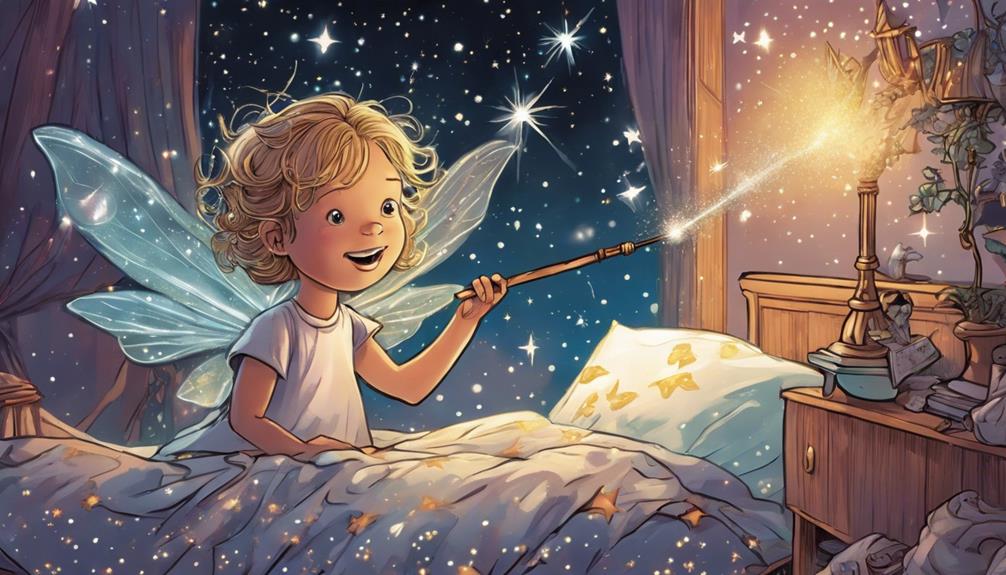
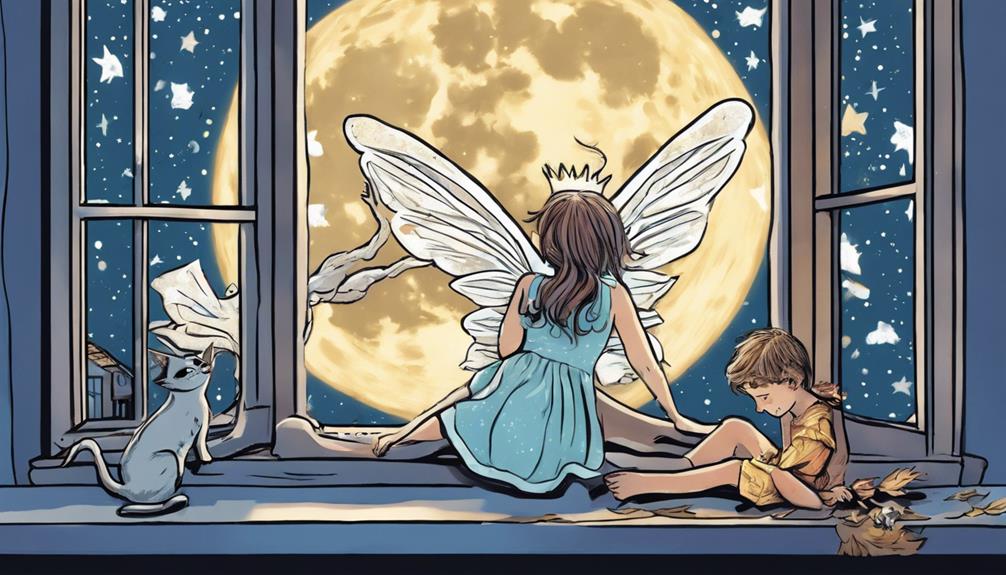
Tooth fairy stories help you see losing a tooth as a magic moment rather than something scary. They engage your imagination, making the change feel safe and exciting. These stories provide comfort and stability during a natural part of growing up. They also connect to cultural traditions that reinforce routines and community. By embracing fantasy, children learn that change is part of life’s cycle and can lead to new beginnings. Keep exploring to discover more ways these stories support your child’s growth.

Turn the school run and nap time into listening time
- Thousands of audiobooks, podcasts and originals
- Listen on your phone, tablet or Echo — also offline
- Cancel anytime
Key Takeaways
- They use fantasy to make the idea of change less frightening and more magical for children.
- Stories reinforce routines, providing stability and comfort during developmental transitions.
- Fairy tales help children accept natural changes by symbolizing growth and patience through magical visits.
- They encourage curiosity and courage, framing change as a normal, positive part of life.
- Cultural traditions and storytelling foster a sense of community and shared understanding of life’s inevitable shifts.

Many parents share tooth fairy stories with their children to make losing a tooth seem less frightening, but these stories also serve a deeper purpose: helping kids understand change. When you tell your child about the tooth fairy, you’re engaging in a form of fantasy storytelling that taps into their imagination, making the experience of losing a tooth feel magical rather than scary. These stories are rooted in cultural traditions that have been passed down through generations, creating a sense of continuity and community. By sharing these tales, you help your child see that change—like losing a tooth—is part of something bigger, something that connects them to a broader cultural narrative.
As you craft or recount a tooth fairy story, you’re offering more than just entertainment. You’re providing a safe space for children to explore feelings of uncertainty and metamorphosis. Kids often find it hard to grasp the idea of change, especially when it involves their own bodies. The fairy’s visit becomes a symbol of growth, patience, and trust. It reassures them that even when things shift—losing a tooth, growing taller, or starting school—they’re supported and loved. The story’s fantasy elements allow children to suspend disbelief, making it easier for them to accept real-life changes with confidence. Engaging with cultural traditions like the tooth fairy can also help children develop a sense of stability amid life’s inevitable changes.
Cultural traditions surrounding the tooth fairy also serve as a comforting ritual that signals a new stage of development. When you follow the tradition, whether it’s leaving a tooth under the pillow or exchanging it for a coin, you’re reinforcing a routine that emphasizes stability amid change. These rituals help children feel secure, knowing that familiar customs will guide them through life’s inevitable evolutions. They learn that change isn’t something to fear but a normal part of growing up. Cultural practices surrounding the tooth fairy create a shared experience that helps children feel connected and supported through transitions. By participating in these cultural traditions, you help your child develop resilience and a positive outlook on life’s inevitable shifts.
Understanding the importance of biodiversity and conservation can also be a helpful way to teach children about the interconnectedness of life and the natural world. Ultimately, the stories and customs surrounding the tooth fairy do more than celebrate childhood milestones—they teach your child that change is a natural, manageable part of life. Through fantasy storytelling rooted in cultural traditions, children learn to embrace transformations with curiosity and courage. You’re not just making losing a tooth fun; you’re guiding them toward understanding that every ending leads to a new beginning. Recognizing the value of cultural continuity can deepen their appreciation for shared traditions and their role in navigating change. In doing so, you’re helping your child build a foundation of trust and confidence that will serve them well as they navigate many more changes ahead.
tooth fairy storybooks for children about losing teeth
As an affiliate, we earn on qualifying purchases.
As an affiliate, we earn on qualifying purchases.
Frequently Asked Questions
How Do Different Cultures Portray the Tooth Fairy?
Different cultures portray the tooth fairy through unique myth variations and cultural symbolism. In Western traditions, the fairy represents reward and childhood innocence, while other cultures, like in Latin America, have the Tooth Mouse or Rat, symbolizing different values. These stories help you see how cultural symbolism shapes perceptions of change, growth, and shift. By exploring these variations, you understand that myths adapt to reflect cultural values and collective identities.
At What Age Should Children Stop Believing in the Tooth Fairy?
You should consider discussing the myth evolution with your child around age 8 to 10, when their childhood beliefs naturally start to shift. At this age, they might question the reality of the tooth fairy, and it’s a good time to gently explain the story as a fun tradition rather than fact. This helps them understand change, fostering critical thinking while preserving childhood magic.
Can Tooth Fairy Stories Be Adapted for Older Children?
Yes, you can adapt tooth fairy stories for older children by incorporating mythical symbolism that resonates with their growing understanding of belief development. They might enjoy stories that explore deeper themes of magic, trust, and personal growth, helping them process change and shift. These stories can challenge their perceptions while sparking imagination, making the myth relevant and meaningful as they navigate new stages of maturity.
How Do Tooth Fairy Stories Influence Children’s Perceptions of Real Change?
You see, tooth fairy stories influence your child’s perception of real change through mythical symbolism, making it less intimidating. These stories provide emotional reassurance, showing that change can be positive and magical rather than frightening. As your child processes these narratives, they learn that transformation often leads to growth and rewards, helping them face life’s inevitable changes with confidence and optimism.
What Are Some Common Variations of Tooth Fairy Stories Worldwide?
Did you know that in countries like Spain, the Ratoncito de los Dientes is a popular myth? You’ll find variations featuring mythical creatures like fairies, mice, or even elves. These stories often carry cultural symbolism, reflecting local beliefs and values. Whether it’s a fairy, a mouse, or another creature, these stories teach kids about change through familiar, culturally-rich mythical figures that make the experience of losing teeth feel special and meaningful.
Conclusion
So, don’t worry if your child seems hesitant about losing a tooth. These stories gently show them that change is part of growing up, making it easier for them to handle life’s shifts. Some might think fairy tales are just for fun, but they’re also powerful tools for understanding big feelings. Embrace these moments—your child will learn resilience and acceptance, turning a simple fairy tale into a valuable life lesson.
Halloween Picks
halloween
As an affiliate, we earn on qualifying purchases.