
To keep the tooth fairy tradition inclusive, recognize and respect each child’s cultural and family beliefs. Personalize stories and rituals to reflect their backgrounds or create new ones that resonate with your family’s customs. Encourage children to share their traditions and foster curiosity about different practices around the world. Remember, the essence is celebrating the milestone in a way that feels meaningful and respectful for everyone involved. If you’re interested, explore more ways to embrace diversity in traditions.

Turn the school run and nap time into listening time
- Thousands of audiobooks, podcasts and originals
- Listen on your phone, tablet or Echo — also offline
- Cancel anytime
Key Takeaways
- Personalize the tradition to respect each family’s cultural beliefs and customs.
- Incorporate diverse figures or rituals, like Ratoncito Pérez, to reflect various cultural practices.
- Encourage families to create their own meaningful rituals that celebrate the milestone uniquely.
- Promote open discussions about different cultural traditions related to losing teeth worldwide.
- Emphasize that the core celebration is about growth, respect, and family values, not just the fairy story.
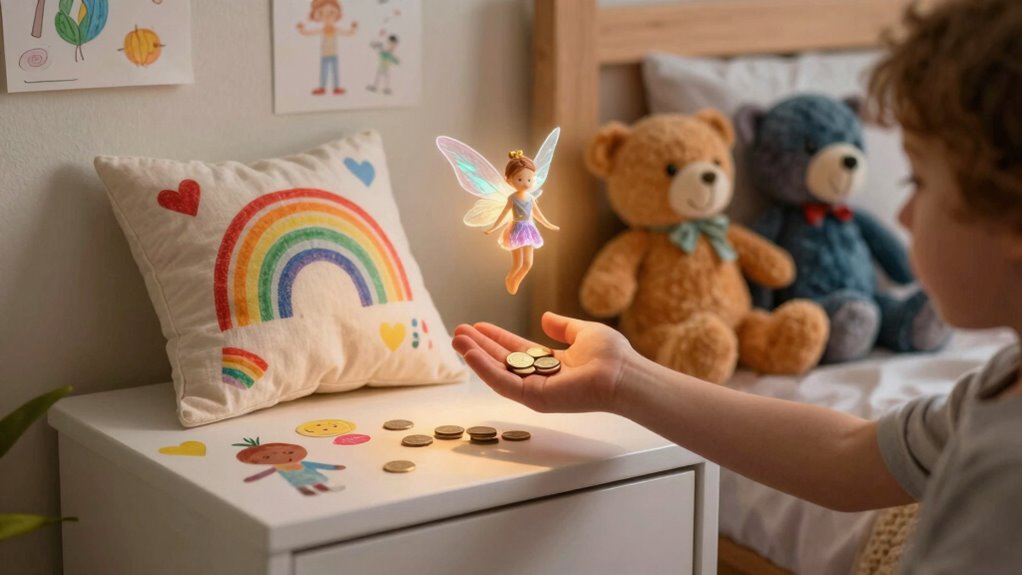
The tooth fairy is a beloved tradition that sparks joy and wonder in many children’s lives, but it’s important to assure it stays inclusive for every child. Different families have unique beliefs, cultural differences, and customs that influence how they view this tradition. To guarantee all children feel included, you should respect and acknowledge these variations. Some families may have religious or cultural practices that don’t align with the tooth fairy story, and that’s perfectly okay. Instead of insisting on a universal version, you can adapt the tradition to fit each family’s beliefs, making it more meaningful and respectful. For example, if a family emphasizes ancestral or spiritual connections, they might prefer to incorporate those elements into the story or skip the fairy altogether. The goal is to celebrate the milestone of losing a tooth in a way that honors each child’s background.
When talking about the tooth fairy, you should be mindful of cultural differences. In some cultures, similar traditions might involve different figures or rituals—like the “Ratoncito Pérez” in Spanish-speaking countries or other local customs. Learning about these cultural variations allows you to present the tradition in a way that feels familiar and respectful. If children are exposed to different versions, it broadens their understanding and appreciation of diverse practices. You can encourage children to share their family’s unique stories and traditions, fostering respect and curiosity among peers. This approach helps children see that losing a tooth is a special event celebrated in many ways worldwide. Incorporating cultural diversity into conversations about traditions can also help promote inclusivity and understanding from an early age. Recognizing and discussing cultural practices can deepen children’s respect for different backgrounds and create a more welcoming environment. Additionally, discussing different customs can help children develop a broader perspective on global traditions. Supporting families in creating their own rituals also nurtures a sense of identity and belonging. By doing this, you support a flexible, inclusive approach that respects individual family choices. It’s essential to convey that the significance of losing a tooth isn’t solely tied to the fairy but is a universal moment of growth and transition. When you honor different cultural differences and family beliefs, you create an environment where every child feels valued and included in the magic of childhood.
Products Worth Considering

Garmin Forerunner 265S GPS Running Smartwatch, 42 mm, Light Pink/Powder Gray

Therabody Theragun Prime 6th Generation Deep Tissue Massage Gun, Black

BowFlex Results Series SelectTech Adjustable Dumbbells (Pair)
As an affiliate, we earn on qualifying purchases.
Frequently Asked Questions
How Can I Involve Children With Special Needs in the Tooth Fairy Tradition?
You can involve children with special needs in the tooth fairy tradition by creating sensory-friendly activities, like soft textures or calming scents, to make the experience comfortable. Use inclusive storytelling that reflects diverse experiences and abilities, making every child feel seen and valued. Encourage participation through simple, engaging tasks—like leaving a special note or choosing a small gift—so all children can enjoy the magic of the tradition in their own unique ways.
What Are Some Culturally Diverse Versions of the Tooth Fairy Story?
Think of the tooth fairy as a global traveler, with each culture offering its own myth variation. For example, in Mexico, *El Ratoncito Pérez* replaces the fairy, while in parts of Asia, a small creature like a mouse or a bird may take the tooth. These cultural adaptations highlight the rich diversity of myth variations, allowing children to see their traditions as part of a beautiful, interconnected world.
How Do I Respect Different Family Beliefs About the Tooth Fairy?
You respect different family beliefs about the tooth fairy by practicing cultural sensitivity and honoring their family traditions. When discussing the tooth fairy, ask about their customs and listen without judgment. If a family doesn’t celebrate the fairy, suggest alternative ways to mark the milestone. Show understanding and flexibility, emphasizing that celebrating childhood milestones can be meaningful in many different ways, respecting diverse backgrounds and beliefs.
What if My Child Is Skeptical or Questions the Myth?
If your child questions or is skeptical about the tooth fairy myth, try myth debunking gently by sharing how different families have unique traditions. Use trust building to reassure them that it’s okay to be curious and explore new ideas. Encourage open conversations, answer questions honestly, and let them decide what feels right. This approach helps foster trust and respect while honoring their growing curiosity about the magic behind the tradition.
How Can I Ensure All Children Feel Valued Regardless of Their Background?
To guarantee all children feel valued, you can incorporate cultural sensitivity into your inclusive storytelling. Share diverse traditions around losing teeth, celebrating different cultural beliefs and customs. Use inclusive language, acknowledge various backgrounds, and invite children to share their own stories. This approach fosters respect and makes every child feel seen and appreciated, creating a welcoming environment where everyone’s traditions are honored and valued.
Conclusion
By embracing inclusivity in the tooth fairy tradition, you create a space where every child feels cherished and seen. It’s a gentle reminder that magic isn’t just about fairy dust or coins but about kindness and belonging. While some children may find comfort in familiar stories, others may seek new ways to celebrate their uniqueness. In this shared act of wonder, you foster a world where all children grow up knowing they’re valued—no matter how their magic unfolds.