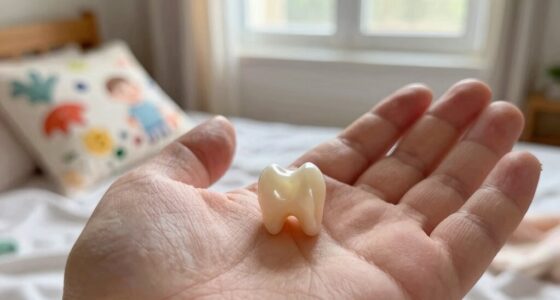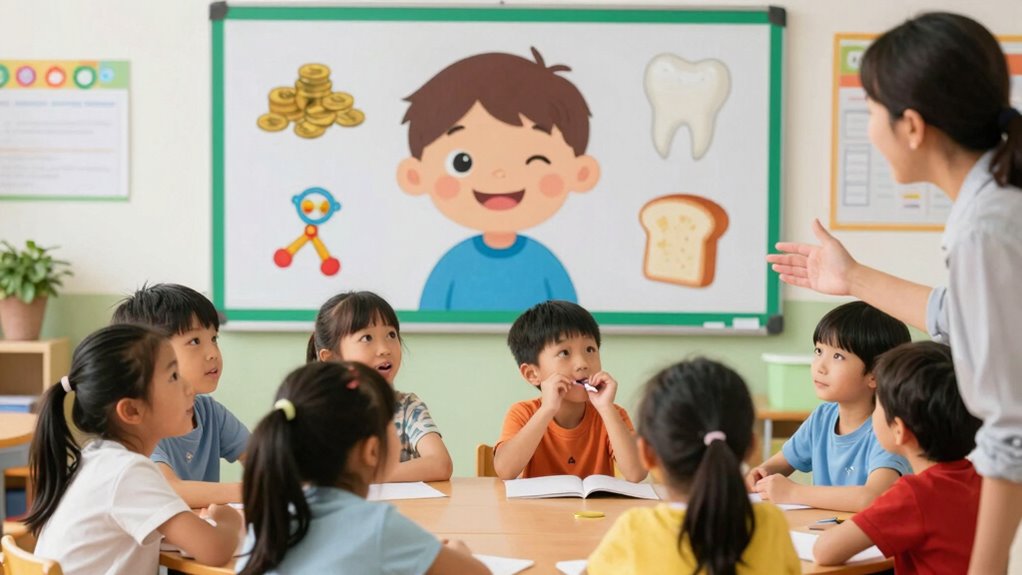

Different countries have special stories and traditions to explain losing teeth. In Western cultures, the Tooth Fairy visits and leaves gifts or money. In Asia, mythical creatures like the tooth mouse exchange tokens, while African stories link teeth loss to wisdom and strength. These tales make losing teeth less scary and more meaningful, turning it into a celebration of growth. Keep exploring to discover more fascinating traditions and how they shape children’s experiences around the world.

Turn the school run and nap time into listening time
- Thousands of audiobooks, podcasts and originals
- Listen on your phone, tablet or Echo — also offline
- Cancel anytime
Key Takeaways
- Many cultures view losing baby teeth as a milestone symbolizing growth and maturity.
- Western countries often have the Tooth Fairy, who leaves gifts in exchange for lost teeth.
- Asian traditions involve mythical creatures like tooth mice or animals collecting teeth for rewards.
- African stories link tooth loss to wisdom, strength, and cultural identity.
- Overall, stories and beliefs transform tooth loss into a positive, memorable, and educational event for children.

Have you ever wondered how kids around the world learn about losing their baby teeth? It’s fascinating to see how different cultures approach this milestone, often blending cultural beliefs and storytelling traditions to make the experience meaningful and less frightening. In some countries, losing a tooth isn’t just about biology; it’s a rite of passage, wrapped in stories passed down through generations. These stories often feature magical characters or animals that help children understand and accept the natural process of losing teeth.
Cultural stories transform losing baby teeth into meaningful milestones filled with magic and tradition.
In many Western countries, children are told the Tooth Fairy comes at night to take their lost teeth from under the pillow and leave a small gift or money. This tradition is rooted in storytelling that elevates the event to a magical experience, making losing a tooth something to look forward to. The story of the Tooth Fairy becomes a cherished part of childhood, fostering a sense of excitement and curiosity. It also helps children feel comforted, knowing that after a bit of discomfort, something special awaits them.
In contrast, other cultures have different storytelling traditions. For example, in some Asian countries, children might be told about a tooth mouse or a small animal that collects teeth and leaves gifts or tokens in exchange. These stories often emphasize respect for the body and the importance of oral health, woven into tales where animals or mythical creatures play an essential role. Such stories serve to teach children about caring for their teeth while also making losing them less intimidating. Interestingly, some cultures incorporate mythical creatures into their stories to symbolize the significance of maturity and growth. These stories can also serve as a way to teach children about oral health, making the experience both educational and entertaining. The focus is often on the wisdom of the animal characters, encouraging children to see the event as part of growing up.
In some African communities, storytelling about lost teeth might involve elders sharing tales that connect losing a tooth to gaining wisdom or strength. These stories often emphasize cultural values and reinforce a child’s sense of identity and belonging. These traditions help children understand that losing teeth is a natural, even revered, part of life’s journey. Additionally, the cultural significance of this milestone varies widely, reflecting the diverse ways societies interpret growth and maturity. The stories also serve as a way to pass down cultural knowledge and traditions from generation to generation.
Across the globe, storytelling traditions and cultural beliefs shape how children perceive losing their baby teeth. Whether through the magical visits of a fairy, a mouse, or wise elders’ tales, these stories serve to turn a common, sometimes uncomfortable, experience into a memorable milestone. They teach children that losing teeth isn’t just about biology—it’s part of growing up, celebrated through the rich tapestry of cultural narratives.
Products Worth Considering

Oral-B iO5 Rechargeable Electric Toothbrush with 3 Brush Heads and Travel Case

Withings BPM Vision Blood Pressure Monitor

Withings Body Scan Smart Scale
As an affiliate, we earn on qualifying purchases.
Frequently Asked Questions
Do Cultural Myths About Lost Teeth Affect Children’s Dental Hygiene Habits?
Yes, cultural myths about lost teeth influence your child’s dental hygiene habits by shaping their childhood perceptions. If they believe, for example, that losing teeth brings good luck or that mythical creatures reward them, they might become more motivated to care for their teeth. Conversely, myths warning of negative consequences could make them fearful or negligent. Understanding these beliefs helps you guide your child towards healthier habits rooted in positive perceptions.
Are There Specific Traditional Rewards for Losing Teeth in Certain Countries?
In some countries, losing a tooth sparks a magical exchange, like a secret handshake with the Tooth Fairy, where you might find coins or small gifts under your pillow. Cultural traditions shape these rewards, turning a simple lost tooth into a treasure chest of joy. These customs make each child’s milestone special, turning a wobbly tooth into a delightful adventure, kindling excitement and sweetening the journey of growing up.
How Do Parental Beliefs Influence Children’s Understanding of Losing Teeth?
Your parental beliefs shape how children understand losing teeth. Through your parenting practices and educational approaches, you influence whether kids see tooth loss as a natural milestone or something to fear. If you emphasize positive messages and traditions, children develop a healthy view. Conversely, if your beliefs focus on superstition or fear, kids may associate losing teeth with anxiety. Your attitudes directly impact their perception and emotional response to this common childhood experience.
Do Language Differences Impact How Children Perceive Losing Their Teeth?
You might think language nuances and vocabulary differences are just words, but they shape how you perceive losing teeth. Ironically, small language shifts can turn a simple tooth loss into a magical event or a mishap. These language differences influence a child’s understanding, making some cultures see it as a gift or a sign of luck, while others treat it as a loss to be mourned. Your words truly mold your child’s perspective.
Are There Regional Variations in Fears or Superstitions About Lost Teeth?
Yes, regional superstitions and tooth folklore shape children’s fears about losing teeth. In some areas, kids believe a lost tooth brings good luck, while others fear it signifies bad luck or bad omens. These beliefs influence their reactions and feelings, making some children excited and others anxious. You’ll find that regional superstitions around teeth vary greatly, reflecting local cultures and histories, and deeply impacting how children perceive this natural milestone.
Conclusion
As you listen to how different countries explain lost teeth, you see each story is like a unique thread in a colorful tapestry, weaving together cultural beliefs and traditions. These stories help children understand a common experience through the lens of their heritage. Whether it’s a fairy, a mouse, or a magical creature, each explanation paints a vivid picture of community values. Embrace these stories as treasures, connecting you to a world of shared childhood wonder.