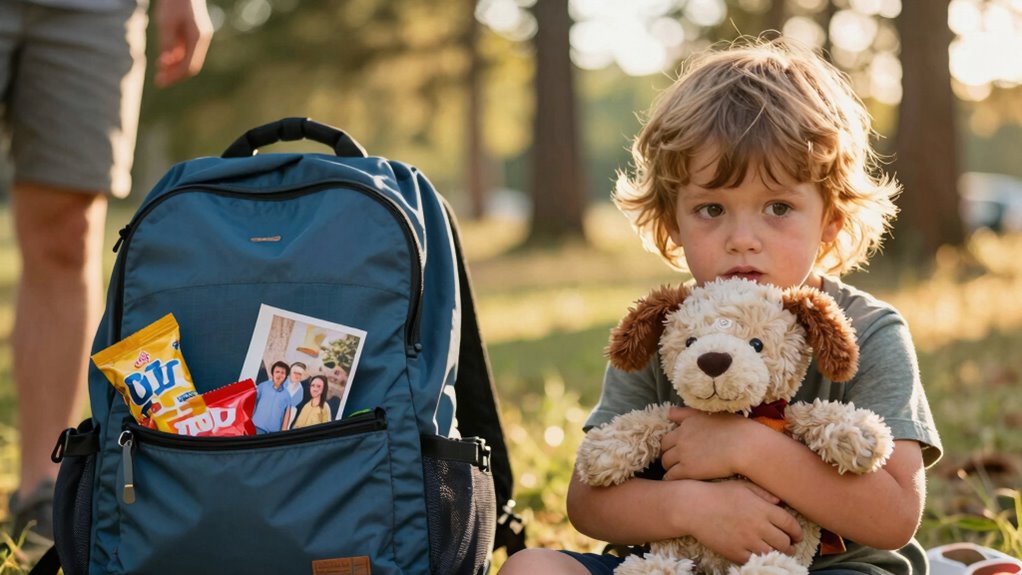

Many parents forget to pack emotional readiness for summer camp, such as teaching your child how to introduce themselves, share, or listen to peers. It’s easy to focus on supplies but forget that confidence, self-esteem, and coping skills are vital for positive interactions. Preparing your child to manage feelings like homesickness or nerves is essential. If you keep exploring, you’ll discover how to support your child’s emotional strength and resilience for a successful camp experience.

Turn the school run and nap time into listening time
- Thousands of audiobooks, podcasts and originals
- Listen on your phone, tablet or Echo — also offline
- Cancel anytime
Key Takeaways
- Reassurance and positive affirmations to boost confidence and reduce anxiety about new experiences.
- Simple communication tools or phrases for children to express feelings and seek support.
- Normalized discussions about homesickness and emotional challenges to prepare children emotionally.
- Strategies for handling social situations, including introductions and sharing, to foster peer connections.
- Encouragement of resilience and growth mindset to help children navigate mistakes and setbacks.
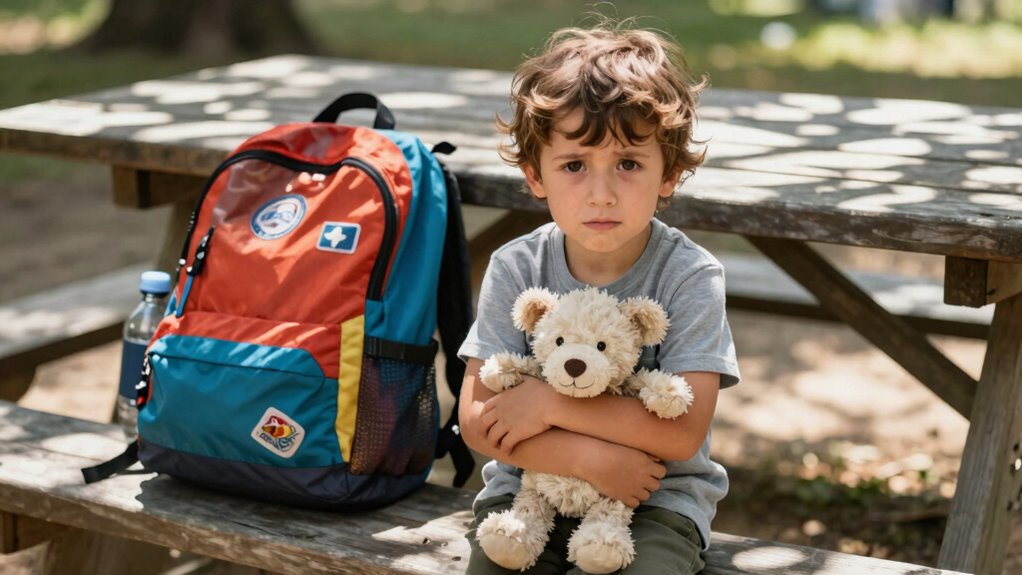
Heading off to summer camp isn’t just about packing clothes and supplies; it’s also about preparing your child emotionally for the experience. While you might focus on snacks, toiletries, and camp gear, don’t overlook the importance of fostering emotional readiness. Camp peer relationships play a pivotal role in your child’s overall experience, and setting the stage for positive interactions can make a significant difference. Remember, camp is a new environment where your child will meet peers from different backgrounds, and helping them feel confident in forming connections can ease anxiety. Encourage your child to think about how they’ll introduce themselves, share, and listen—these skills strengthen camp peer relationships and help your child feel more included.
Preparing your child emotionally for camp helps build confidence and foster positive peer relationships for a memorable summer.
Equally important is self-esteem building, which underpins how your child navigates new challenges and social situations. If they enter camp feeling secure in themselves, they’re more likely to participate, try new activities, and bounce back from setbacks. You might consider talking to your child about their strengths and achievements, reminding them of their resilience and unique qualities. This helps boost their self-esteem before they even arrive. Reinforcing that it’s okay to feel nervous or homesick is also essential—these feelings are normal, and your support can help them manage these emotions healthily. Recognizing the importance of emotional readiness can make a big difference in their overall camp experience. Developing coping strategies in advance can further empower your child to handle unexpected challenges with confidence. You can also help them understand that building resilience is a key part of emotional development.
Another aspect often overlooked is helping your child develop coping strategies for when they face difficulties. You can role-play scenarios where they might feel excluded or overwhelmed, giving them tools to handle such situations. This preparation can make camp peer relationships smoother and foster independence. Additionally, remind them that everyone experiences some level of discomfort when trying something new, and that making mistakes is part of growing. It’s helpful to teach your child about emotional regulation so they can better manage their feelings during stressful moments. Understanding that emotional resilience can be cultivated over time encourages children to view challenges as opportunities for growth. When your child feels confident in their ability to handle emotional ups and downs, they’re more likely to embrace the camp experience wholeheartedly.
Finally, keep communication open. Let your child know it’s okay to reach out to you or a counselor if they’re struggling emotionally. Reassure them that their feelings are valid and that they’re not alone. By focusing on emotional readiness—especially aspects like camp peer relationships and self-esteem building—you set your child up for a successful, memorable summer. Preparing them emotionally isn’t just about easing their adjustment; it’s about empowering them to enjoy the camp experience, make meaningful connections, and come home with confidence.
summer camp emotional readiness kit for kids
As an affiliate, we earn on qualifying purchases.
As an affiliate, we earn on qualifying purchases.
Frequently Asked Questions
How Can Parents Prepare Their Child for Homesickness?
You can prepare your child for homesickness by fostering camp independence and emotional resilience beforehand. Encourage them to practice saying goodbye confidently and discuss feelings openly. Share stories of overcoming challenges and remind them that missing home is normal. Reinforce that they’re capable of handling new situations. With your support, they’ll develop the emotional strength they need to stay positive, enjoy camp, and gradually build independence.
What Signs Indicate a Child Is Emotionally Overwhelmed at Camp?
Think of your child as a vintage radio struggling to tune into camp peer dynamics. Signs they’re overwhelmed include withdrawal, irritability, or frequent tears. They might cling to you more or seem distracted during activities. These behaviors suggest they’re battling emotional resilience. Keep an eye out for changes in mood or social engagement, and check in gently. Supporting their emotional health helps them navigate camp challenges more confidently.
How Should Parents Communicate With Their Child During Camp?
You should communicate openly and positively with your child during camp, focusing on their camp peer relationships and understanding camp routine expectations. Regular check-ins via calls or messages help them feel supported and reassured. Encourage your child to share their experiences, listen without judgment, and remind them to stay confident in their new environment. This ongoing dialogue builds trust, helps them manage emotions, and fosters a sense of security.
What Strategies Help Children Build Confidence Before Camp?
You can help your child build confidence before camp by encouraging them to share campfire stories with family or friends, which boosts their storytelling skills and self-assurance. Facilitate opportunities for your child to develop peer friendships beforehand, such as playdates or group activities, so they feel more comfortable connecting with others at camp. These strategies help your child feel more prepared, confident, and enthusiastic to make new friends during their camp experience.
How Can Parents Support Their Child’s Emotional Growth Post-Camp?
You can support your child’s emotional growth post-camp by offering parental reassurance and acknowledging their feelings. Encourage them to share stories and listen actively, helping build emotional resilience. Celebrate their independence and growth, emphasizing how proud you are. Avoid rushing to fix problems; instead, guide them in expressing emotions and reflecting on experiences. Your support fosters confidence, making future challenges easier to handle.
Conclusion
Don’t forget, preparing emotionally is just as important as packing your child’s bag. While it might feel overwhelming, taking a few moments to talk openly and boost their confidence can make all the difference. Imagine their excitement and resilience as they embrace new experiences, knowing you’ve supported their emotional readiness. With a little planning, you’ll help them feel secure and enthusiastic to make the most of summer camp, creating memories they’ll cherish forever.
Halloween Picks
halloween
As an affiliate, we earn on qualifying purchases.