
Face-out bookshelves work so well for younger readers because they make discovering books easy and fun. When covers are displayed outward, you can quickly see titles and colorful images, encouraging confidence and independence. This inviting setup sparks curiosity and makes browsing feel less like a chore. Plus, it helps children develop a sense of responsibility for their books. Keep exploring to learn how this simple change can transform the way kids enjoy the library.

Turn the school run and nap time into listening time
- Thousands of audiobooks, podcasts and originals
- Listen on your phone, tablet or Echo — also offline
- Cancel anytime
Key Takeaways
- They make book covers and illustrations highly visible, enticing children to pick up and explore new titles.
- Face-out displays simplify browsing, helping young readers find books independently and confidently.
- Bright, colorful covers create an engaging, inviting atmosphere that motivates children to read.
- Organized, visually appealing shelves foster a sense of responsibility and pride in maintaining the space.
- The vibrant setup encourages discovery of diverse genres and themes, enhancing literacy and learning.
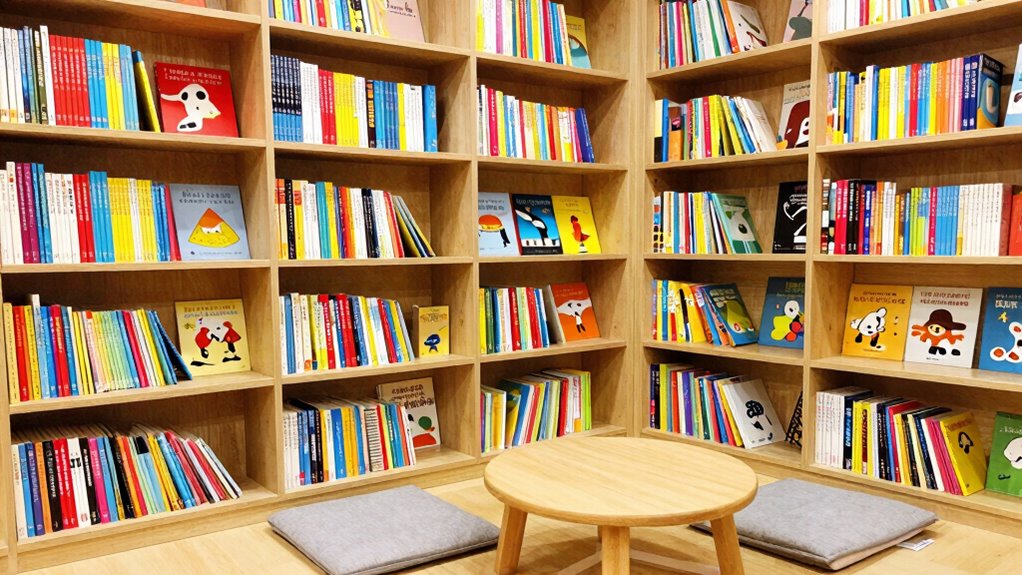
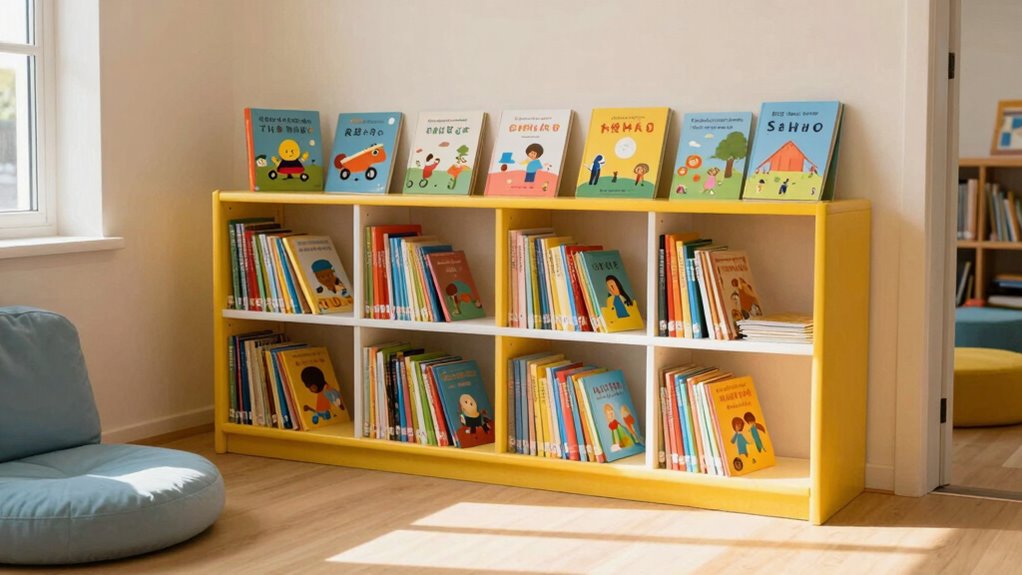
If you want to encourage young readers to pick up more books, face-out bookshelves are a game-changer. They instantly catch the eye and make books more inviting. When books are displayed with their covers facing outward, it’s easier for kids to see what’s available at a glance. This setup boosts the visual appeal of your collection, turning a simple shelf into an engaging display that sparks curiosity. Instead of searching through stacks or turning books sideways, children can spot titles and illustrations right away, making the process of choosing a book more fun and accessible.
This method of book organization taps into children’s natural love for visuals. Bright, colorful covers become the focal point, encouraging kids to pick up titles they might overlook if only the spines were visible. When covers are facing outward, it’s almost like a mini bookstore right in your own space. Kids tend to gravitate toward visually appealing books, and face-out shelves make it hard for them to resist. They can see characters, scenes, and titles clearly, which helps them develop their interests and make confident choices about what to read next.
Another benefit of face-out bookshelves is that they foster independence. Young readers can browse on their own without needing adult help to find a book they’re excited about. The visual appeal of the covers draws them in, making the process of choosing a book feel natural and empowering. Plus, having a well-organized display encourages children to take responsibility for keeping the shelves tidy. When books are arranged with covers facing outward, it’s easier for kids to put books back in the right spot and maintain an inviting space for everyone. Incorporating book organization principles can further enhance the effectiveness of this display style. Additionally, using visual cues can guide children to find their favorite genres or series more effortlessly. Recognizing the importance of visual appeal in motivating young readers can lead to more engaging and inspiring reading environments. Emphasizing aesthetic presentation can also create a welcoming atmosphere that encourages regular reading habits.
Furthermore, this display style can spark a sense of pride in young readers. When they see their favorite books prominently displayed, they’re more likely to want to read and share them. It creates a vibrant, lively environment that celebrates reading as a fun activity rather than a chore. As a result, face-out bookshelves don’t just improve book organization—they transform the reading space into a colorful, inspiring hub that motivates children to explore new stories. With their eye-catching display and easy access, these shelves make reading more approachable and enjoyable, helping young readers develop a lifelong love of books. Biodiversity and conservation principles can also be integrated into themed displays that highlight the importance of protecting our environment, making the reading experience both fun and educational.
Products Worth Considering

OMRON Complete 2-in-1 Upper Arm Blood Pressure Monitor with EKG

Blueair Blue Pure 211i Max Air Purifier

Oura Ring 5 Smart Ring – Silver – Size 10
As an affiliate, we earn on qualifying purchases.
Frequently Asked Questions
How Do Face-Out Shelves Impact Children’s Reading Choices?
Face-out shelves greatly influence your children’s reading choices by boosting visual appeal and making browsing easier. When books are displayed with covers facing outward, your kids are more likely to notice and get excited about new titles. This setup encourages spontaneous selecting and fosters curiosity, as colorful covers and engaging artwork catch their eye. As a result, children develop a love for reading and explore a wider variety of books more effortlessly.
Are Face-Out Bookshelves Safe for Young Children?
Yes, face-out bookshelves are safe for young children when properly organized. They improve shelf accessibility, allowing kids to easily see and select books, which encourages independence. To guarantee safety, secure shelves to the wall to prevent tipping, and keep heavier books on lower shelves. Regularly check for stability and sharp edges. With proper organization and safety measures, face-out shelves make reading fun and safe for your little ones.
What Are the Best Materials for Face-Out Bookshelves?
You might be surprised, but the best materials for face-out bookshelves often combine durability with visual appeal. Choose sturdy wood or MDF finished with colorful paints or finishes to attract young readers. Adjustable shelving ensures flexibility as your child’s collection grows. These materials are safe, easy to clean, and can withstand little hands, making your bookshelf both functional and fun—perfect for inspiring a love of reading from an early age.
How Do Face-Out Shelves Influence a Child’s Independence?
Face-out shelves boost a child’s independence by making books visually appealing and easy to access, encouraging them to choose and put back their favorites without help. With their vibrant display and clear visibility, these shelves foster a sense of ownership and confidence in selecting books. The accessibility benefits mean children can explore their interests freely, nurturing a love for reading and developing organizational skills on their own.
Can Face-Out Bookshelves Help With Early Literacy Development?
Yes, face-out bookshelves can boost early literacy development by enhancing visual appeal and accessibility benefits. When books are displayed with covers facing outward, you make them more inviting and easier for your child to recognize and select independently. This visual appeal sparks curiosity, encourages exploration, and helps kids connect with books faster. The accessible positioning also promotes confidence and a love for reading, laying a strong foundation for literacy skills.
Conclusion
Face-out bookshelves are like open doors, inviting young readers to step inside a world of imagination and discovery. They symbolize the freedom to explore and the excitement of choice, making books feel accessible and appealing. When you choose face-out displays, you’re opening a gateway that sparks curiosity and fuels a lifelong love for reading. It’s more than storage — it’s a welcome mat to endless adventures waiting just beyond the cover.