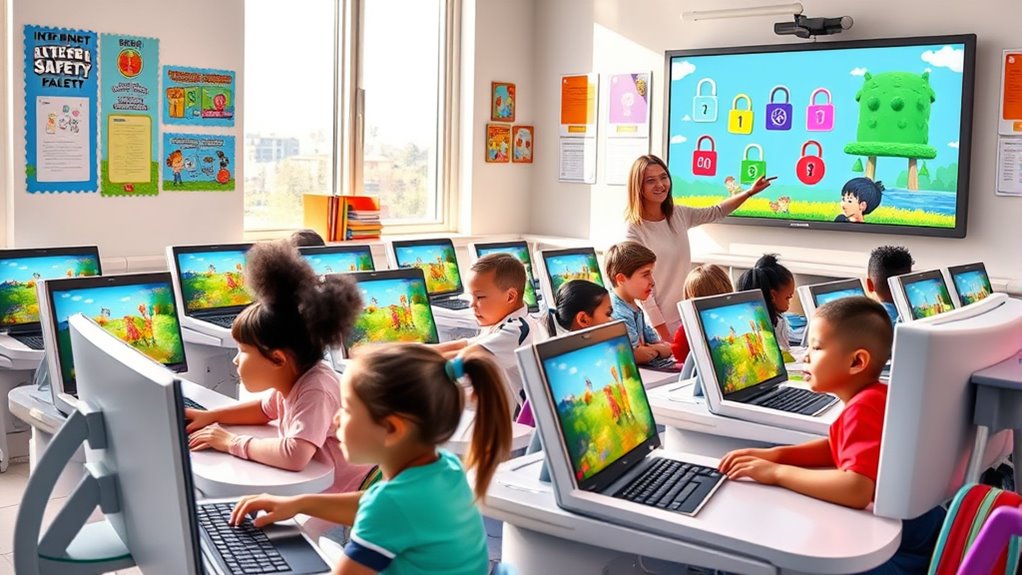

To help kids understand data privacy with online games, explain that they share personal details like their name, age, or location, which can stay online forever and be misused. Teach them techniques like adjusting privacy settings and using parental controls to limit data collection. Emphasize the importance of not sharing passwords or private info and encourage asking questions about privacy policies. If you keep exploring, you’ll discover more ways to keep your child safe online.

Turn the school run and nap time into listening time
- Thousands of audiobooks, podcasts and originals
- Listen on your phone, tablet or Echo — also offline
- Cancel anytime
Key Takeaways
- Teach kids that sharing personal information online, like their name and address, can lead to privacy risks and should be avoided.
- Show children how to adjust privacy settings within games to control who can see their information and contact them.
- Explain that data collected during gameplay might be used beyond gaming, such as for targeted ads or misuse.
- Encourage kids to only share personal details with trusted people and remind them to log out after playing.
- Parents should review privacy policies, set boundaries, and use parental controls to protect children’s online data.
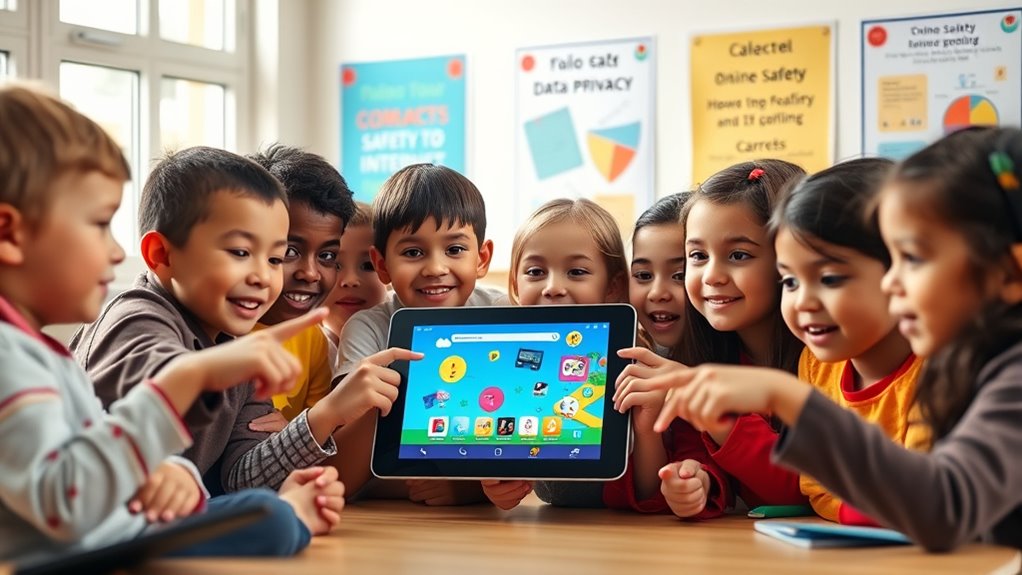
Online games can be a fun way for kids to connect and learn, but they also introduce important questions about data privacy. As a parent or guardian, you need to understand how these games handle data collection and how it impacts online safety. When kids play online, they often share personal information—like their name, age, or even location—sometimes without realizing the potential risks. Many games collect this data to customize experiences, improve gameplay, or serve targeted ads. However, this data collection can expose kids to privacy breaches or misuse of their information if not carefully managed. That’s why it’s essential to talk to your children about the importance of online safety, especially in the context of data privacy.
Explain to your kids that anything they share online might stay there forever, and some companies might use their data for purposes beyond just playing games. Help them understand that keeping personal details private is a way to stay safe. For example, they shouldn’t share their full name, address, school name, or phone number on gaming platforms or chat features. Reinforce that they should only share information with people they trust and that it’s okay to say no if they’re asked for personal details. You can also introduce the idea that some games may collect data to improve their services but that you, as a parent, need to review privacy policies and set boundaries. Educating children about how high-quality security measures protect their data can empower them to make safer choices online.
Encourage your children to think critically about what they’re sharing and remind them that online safety isn’t just about avoiding strangers; it’s also about protecting their personal information from being collected and misused. Show them how to adjust privacy settings on their gaming accounts to restrict who can see their activity or contact them. Many online games include parental controls—use these tools to limit data collection and monitor gameplay. Educate your kids about the importance of logging out of accounts when they’re done playing and not sharing passwords or account details with friends.
As an affiliate, we earn on qualifying purchases.
Frequently Asked Questions
How Can Parents Monitor Online Game Data Collection Effectively?
To monitor online game data collection effectively, you should set up parental controls on devices and gaming platforms. Regularly review app permissions to see what data is accessed, and adjust settings to limit unnecessary data sharing. Stay involved by checking the games your kids play and discussing privacy concerns openly. This proactive approach helps make sure your child’s data stays protected while they enjoy their online gaming experience.
What Are Common Signs of Privacy Breaches in Kids’ Gaming Accounts?
You should watch for privacy breach symptoms like unexpected account activity, strange messages, or unfamiliar contacts, which indicate your child’s account security signs might be compromised. If their account suddenly changes settings, shows unknown purchases, or if they report feeling uneasy about their game, these are clear signs of a breach. Staying alert helps you act quickly to protect their privacy and prevent further issues.
Are There Specific Games That Prioritize Data Privacy for Children?
Yes, some child-friendly platforms and privacy-focused games prioritize data privacy for kids. Look for platforms like ABCmouse or PBS Kids, which emphasize safety and minimal data collection. Privacy-focused games like “Toca Boca” titles or “Minecraft: Education Edition” also prioritize protecting children’s information. Always check the privacy policies and settings before your child starts playing, ensuring their data stays secure while they enjoy fun and educational gaming experiences.
How Do Privacy Policies Differ Between Popular Online Games?
You’ll notice privacy policies vary widely between popular online games, especially around game customization and in-game purchases. Some games clearly explain how they collect and use your data, while others are more vague. Be sure to read policies carefully, so you understand how your information is protected or shared, especially when making in-game purchases. Knowing these differences helps you make smarter choices about privacy and spending.
What Steps Should Kids Take if They Suspect Their Data Is Compromised?
If you suspect your data is compromised, act quickly by following reporting procedures provided by the game or platform. Contact customer support to alert them and get guidance on securing your account. Change your passwords and enable two-factor authentication. Keep track of any suspicious activity for data recovery steps. Staying vigilant helps safeguard your personal information and ensures you can recover your data if needed.
Conclusion
So, next time your kid’s glued to their screen and clicking “Accept” without reading, remind them that their data isn’t just a string of numbers—it’s the secret recipe to their digital life. Maybe teach them that privacy isn’t just a fancy word, but a superpower they should use. After all, if they don’t protect their info, hackers might just start selling their favorite game characters on the dark web! Stay vigilant, and keep the data safe!
Halloween Picks
halloween
As an affiliate, we earn on qualifying purchases.