

Supporting sleep with calming bedtime themes helps your child feel safe, relaxed, and ready to rest. Using gentle imagery like stars and soft animals encourages peaceful feelings rather than excitement or fear. This builds positive associations with bedtime and reduces resistance or anxiety. When themes promote relaxation, your child moves seamlessly into sleep and develops healthier routines. Keep exploring how to create the perfect calming environment to make bedtime easier and more soothing.

Get baby and family essentials delivered free — and shop member deals
- Fast, free delivery on millions of items
- Access to Prime Big Deal Days deals on October 6–7
- Prime Video, Amazon Music and more included
Key Takeaways
- Supporting sleep themes promote relaxation, making it easier for children to transition smoothly into restful sleep.
- Calm, peaceful themes reduce bedtime resistance and anxiety, preventing delays caused by overstimulation or fear.
- Consistent, sleep-supportive themes reinforce positive sleep associations, encouraging timely bedtime routines.
- Themes that delay sleep often evoke excitement or fear, disrupting the child’s natural sleep-wake cycle.
- Incorporating soothing imagery and stories helps children feel secure, fostering quicker, more peaceful sleep onset.
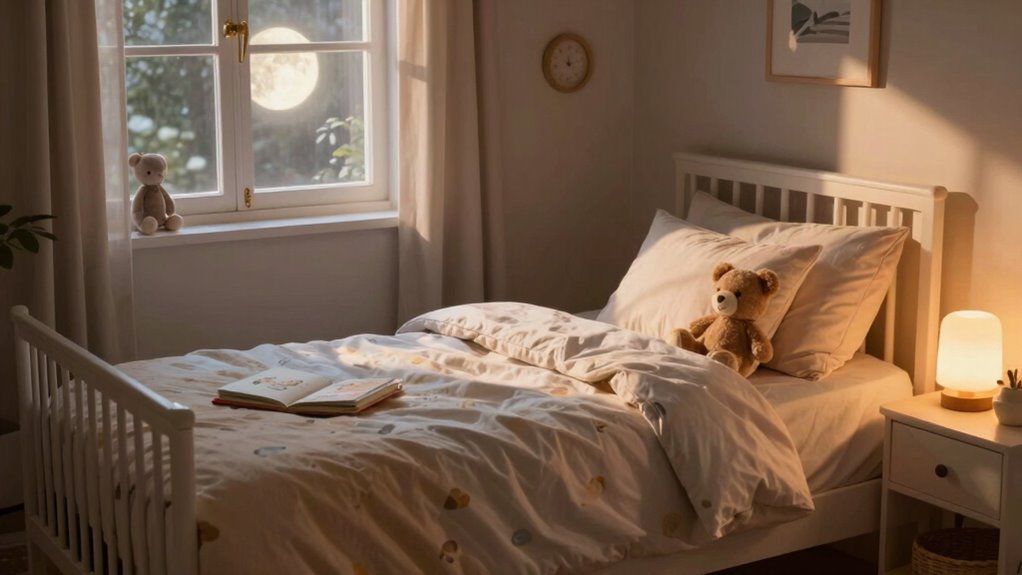
Creating a calming bedtime routine can make a significant difference in helping your child fall asleep more easily. When your child associates bedtime with comfort and consistency, it reduces anxiety and signals that it’s time to wind down. Incorporating peaceful activities like reading, gentle music, or quiet conversation can help establish a sense of security. But one of the most effective ways to reinforce a positive sleep environment is through bedtime themes that support sleep rather than delay it. These themes, often rooted in dream symbolism, help your child interpret their nighttime experiences in a calming way. Instead of fostering fear or excitement, bedtime themes can create a sense of adventure or safety that encourages sleep, not avoidance.
Creating a calming bedtime routine helps children associate sleep with comfort and security, reducing anxiety and encouraging restful nights.
Using dream symbolism in your bedtime routines allows your child to see bedtime as a peaceful, welcoming space for dreams and rest. For example, you might tell a story about a gentle star watching over the night or a friendly moon guiding them to peaceful sleep. These symbols help your child understand that nighttime is a natural, safe part of their day, not something to fear or resist. When bedtime themes are aligned with positive symbols and calming imagery, they support your child’s subconscious mind in associating sleep with comfort and security. This makes it easier for your child to settle down and drift off without hesitation or resistance. Incorporating calming imagery that reflects positive dream symbolism can further strengthen this association. Additionally, visualization techniques can be used to deepen this calming effect and reinforce peaceful sleep. Practicing mindfulness exercises during bedtime can also help your child relax and transition smoothly into sleep, fostering a sense of calm and control over their nighttime routine.
It’s essential to choose bedtime themes that promote relaxation and positive dream symbolism, rather than themes that might stir excitement or fear. For instance, stories about sleepy animals or floating clouds can evoke a sense of calm, reinforcing the idea that sleep is a gentle, restful experience. When you consistently introduce these themes, your child begins to anticipate a soothing routine rather than viewing bedtime as a challenge. Over time, this helps reduce bedtime struggles and promotes a healthier sleep pattern. Developing a consistent theme can also help your child feel more secure and ready for sleep each night. Moreover, understanding the power of dream symbolism can help you select themes that foster restful sleep and positive associations with bedtime.
Supporting sleep through thoughtful bedtime themes doesn’t mean avoiding fun or imagination, but it does mean steering those themes in a direction that nurtures restful sleep. If your child begins to associate bedtime with adventure or fantasy, make sure those stories end on a calming note, emphasizing peaceful dreams and safe sleep. This approach helps your child internalize the idea that sleep is a natural extension of their day—something to look forward to, not fear. Incorporating digital tools that promote relaxation or calming imagery can further enhance this process, making bedtime routines more effective and engaging. In doing so, you’re establishing a bedtime routine rooted in comfort and positive dream symbolism that fosters better sleep habits and a more peaceful night for everyone.
calming bedtime storybooks for children
As an affiliate, we earn on qualifying purchases.
As an affiliate, we earn on qualifying purchases.
Frequently Asked Questions
How Do Bedtime Themes Influence a Child’s Sleep Quality?
Bedtime themes influence your child’s sleep quality by shaping their dream associations and creating calming bedtime routines. When you choose soothing themes, they help your child associate bedtime with positive, relaxing experiences, making it easier to fall asleep. Consistent themes during routines reinforce a sense of security, reducing anxiety and promoting restful sleep. This positive connection encourages your child to view bedtime as a peaceful, comforting part of their day.
Can Bedtime Themes Reduce Bedtime Resistance?
Bedtime themes can definitely reduce bedtime resistance. Imagine your child entering a fantasy world where characters interact gently, guiding them toward sleep. Engaging stories create a calming routine, making bedtime feel like an adventure instead of a struggle. When kids connect with these themes, they’re more enthusiastic to wind down, easing anxieties and resistance. This approach turns bedtime into a positive experience, helping children shift smoothly into restful sleep.
Are Certain Themes Better for Promoting Sleep Than Others?
Certain themes are better for promoting sleep because they use calming visual stimuli and minimize themed distractions that could keep you awake. Gentle, soothing imagery like stars, moonlit scenes, or peaceful nature elements help your mind relax. Avoid overly stimulating themes or busy visuals, as they can delay sleep. The right themes create a tranquil environment, encouraging a smoother shift into restful sleep and reducing bedtime resistance.
How Long Should a Bedtime Theme Routine Last?
You should aim for your bedtime routine to last about 20 to 30 minutes. Incorporate a calming story or bedtime story and play calming music to help your child wind down. Keep the routine consistent each night, so they associate these calming activities with sleep. Avoid overstimulating themes or activities, ensuring the routine fosters relaxation, making it easier for them to fall asleep peacefully.
Do Bedtime Themes Work Equally for All Age Groups?
Bedtime themes don’t work equally for all age groups because each one has different needs for adult relaxation and sleep associations. Young children often benefit from calming stories that create positive sleep cues, while adults might prefer soothing visualizations or gentle music to unwind. Tailoring themes to age helps establish effective sleep associations, making it easier to relax and drift off, regardless of your age.
Conclusion
By choosing bedtime themes that nurture calm and comfort, you’re planting seeds of peaceful dreams in your mind’s garden. Instead of letting lively stories or screens chase away sleep, embrace gentle themes that cradle you like a lullaby. Remember, your bedtime routine is the soft glow guiding you into a restful night’s embrace. Make it a sanctuary of serenity, where sleep blooms effortlessly, and dawn greets you refreshed, like a sunrise after a restful night.
Fall Picks
fall essentials
As an affiliate, we earn on qualifying purchases.