
TL;DR

Turn the school run and nap time into listening time
- Thousands of audiobooks, podcasts and originals
- Listen on your phone, tablet or Echo — also offline
- Cancel anytime
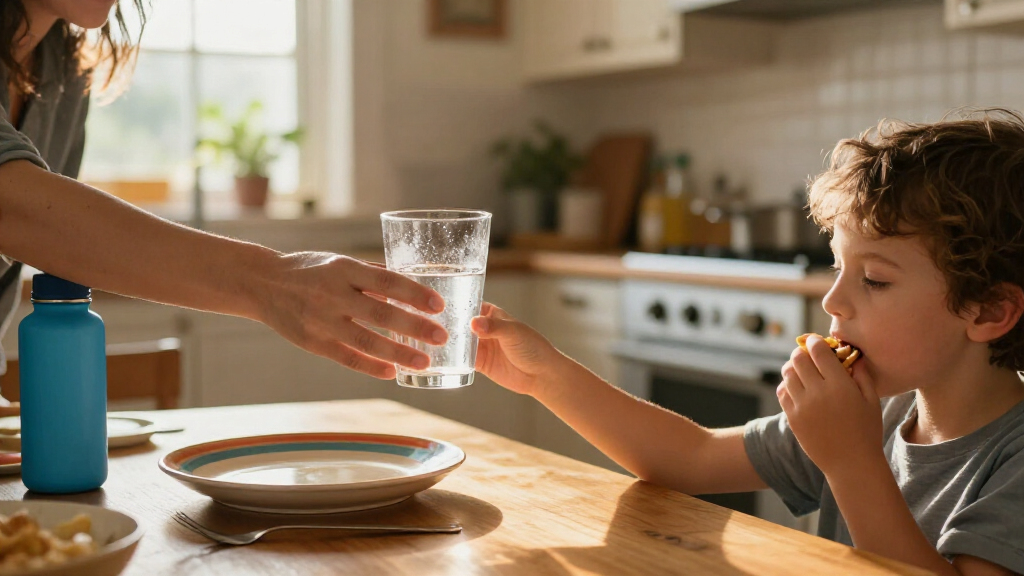
A survey commissioned by baby lifestyle brand Munchkin found that 93% of 1,000 UK parents surveyed said they struggle to get their young child to drink enough water. The poll also found a gap between parents’ confidence about daily fluid needs and their ability to identify the recommended amount; the supplied report does not give the specific amount or explain how the 93% figure was defined.
A survey commissioned by baby lifestyle brand Munchkin found that 93% of 1,000 UK parents of children aged six months to three years said they struggle to get their child to drink enough water. The findings point to uncertainty around young children’s fluid needs and the practical challenges of encouraging drinking, although the supplied report does not specify how the survey defined “enough.”
The poll, conducted by Censuswide from Aug. 24 to Sept. 1, 2026, found that 70% of respondents struggled to get their child to drink plain water. More than four in five parents said they felt confident they knew how much their child should drink daily, but only one in six correctly identified the recommended amount, according to the report. It does not provide the amount used as the correct answer.
Parents also described difficulties tied to everyday routines. Forty-five percent said they found it hard to encourage drinking during playtime. More than a third said they added squash or cordial to encourage drinking, while almost half of parents of three-year-olds said letting the child choose a cup could help. More than one in five said they let their child drink from an infant bottle rather than a cup to help ensure they got fluids.
The report also found that moving from a bottle to a cup was difficult for some families: three-quarters of parents who said they struggled with their child’s hydration found the change challenging. Fifty-one percent of that group felt their child should have moved on from a bottle sooner, and the same proportion wished they had received more advice about the process. These results describe respondents’ experiences; they do not establish how common the issues are among all UK families.
Why Hydration Habits Are Hard to Track
The results highlight a gap between parents’ reported confidence and their knowledge of recommended daily intake. For families, that can make it difficult to judge whether a child is drinking enough, particularly when young children cannot reliably recognise or communicate thirst and spend much of the day playing.
Paediatric dietitian Lucy Upton, quoted in the report, said hydration can be overlooked while parents focus on food during weaning and early childhood. She said it can be harder to track sips than meals, and that mild dehydration may contribute to symptoms such as constipation, headaches, poor concentration and tiredness. Those symptoms have many possible causes; the source does not present them as proof that a child is dehydrated.
The findings also matter because some parents reported using sweetened or artificially sweetened drinks as an incentive. The report cites 2025 guidance from the UK Scientific Advisory Committee on Nutrition stating that children under five should avoid drinks containing sugar or non-sugar sweeteners, including sugar-free squash. The survey does not show whether reported use was occasional or regular.
children's water bottles with spill-proof lid
As an affiliate, we earn on qualifying purchases.
As an affiliate, we earn on qualifying purchases.
Cup Practice and Early Feeding
The report frames cup use as one part of building drinking skills, rather than simply a way to replace a bottle. Upton said learning to sip from a cup supports oral skills and can help protect teeth and prevent toddlers from filling up on milk as they move into their second year. She advised offering cup sips with meals from around six months, modelling drinking and allowing time to practise without pressure.
The article says children’s fluid needs vary with age, activity and weather, and recommends offering drinks regularly, especially during warm weather and active play. It does not give a single daily volume that applies to every child. Its practical suggestions include making water available with meals and during the day, letting children watch adults drink water, and trying a cup suited to the child’s developmental stage.
The source also describes a range of cups sold by Munchkin, the company that commissioned the survey. It includes handled and rim-style cups and a model with a removable flow-control valve. This is commercial product information, not independent evidence that a particular cup improves hydration or is suitable for every child.
““Hydration is often the forgotten friend of weaning and early childhood feeding.””
— Lucy Upton, paediatric dietitian, as quoted in the MadeForMums report
Survey Limits and Missing Intake Figures
The source gives the survey sample size, age range, country and fieldwork dates, but it does not provide the questionnaire, recruitment method, weighting details or margin of error. It also does not explain exactly what respondents were asked when they said they struggled to get a child to drink “enough.” The results are self-reported and cannot establish that 93% of all UK parents face the same difficulty.
The report says only one in six parents correctly identified a recommended daily amount, but it does not state the answer respondents were tested against or cite the underlying intake figure. Because fluid requirements vary, the reported result should not be treated as a universal daily target. The supplied material also does not describe children’s health outcomes or independently test any of the suggested strategies or products.
Practical Advice for Families
The source recommends offering water regularly through the day, including at meals and during play, and starting cup practice with small sips from around six months. It advises keeping practice relaxed, modelling drinking and allowing children time to learn. Parents seeking guidance on a child’s individual fluid needs can consult a health professional, particularly if they have concerns about symptoms or intake.
No further survey data, independent analysis or follow-up findings are included in the supplied report. The next useful information would be publication of the survey methodology and the specific recommended intake used to assess parents’ answers, along with more detail on how the reported difficulties were measured.
Key Questions
Who took part in the survey?
Censuswide conducted the survey among 1,000 UK parents of children aged six months to three years. Fieldwork ran from Aug. 24 to Sept. 1, 2026, according to the supplied report.
What did the survey find about parents’ knowledge?
More than four in five respondents said they felt confident about how much their child should drink daily, but only one in six correctly identified the recommended amount. The report does not state the amount used in the question.
Does the report give one daily water target for every child?
No. It says fluid needs vary with age, activity and weather and does not give a single volume that applies to every child. Families with concerns about an individual child’s intake can seek advice from a health professional.
What does the report suggest about moving from a bottle to a cup?
Dietitian Lucy Upton recommends offering cup sips with meals from around six months, modelling cup drinking and allowing time for practice. The advice is attributed to the dietitian in the report, not presented as a finding of the survey.
Source: rss
Cold & flu season Picks
humidifiers
As an affiliate, we earn on qualifying purchases.