
TL;DR

Turn the school run and nap time into listening time
- Thousands of audiobooks, podcasts and originals
- Listen on your phone, tablet or Echo — also offline
- Cancel anytime
A Motherly report updated Oct. 28, 2026, shares six recommendations from child psychiatrist Michael Morse for reducing homework conflict with children who have ADHD. The advice includes scheduling a predictable break after school, breaking assignments into smaller steps and contacting teachers when homework becomes unproductive.
A Motherly report updated Oct. 28, 2026, outlines six ways parents can make homework less contentious for children with ADHD, drawing on advice from Michael Morse, a child and adolescent psychiatrist. The recommendations focus on allowing time to recover after school, making assignments easier to start and involving teachers when a child is struggling beyond what parental support can address.
Morse, who directs the ADHD & Anxiety Center at Alvord Baker and is an associate professor of psychiatry at Georgetown University, told Motherly that children with ADHD may arrive home tired after spending the school day working to focus and sit still. He said medication may also have worn off for some children by then. The report presents these as factors that can help explain why homework resistance may reflect fatigue or difficulty getting started, rather than simple defiance.
The six suggestions are to avoid starting homework immediately after school; make the first task small and clear; coach and model the work rather than enforce it; offer two acceptable choices about when or what to do first; stop for the night when work has ceased to be productive or conflict has become substantial; and contact the teacher when the problem appears bigger than effort. For example, a larger assignment can be divided into steps and placed on a calendar, while a set of 10 math problems can be split into two groups.
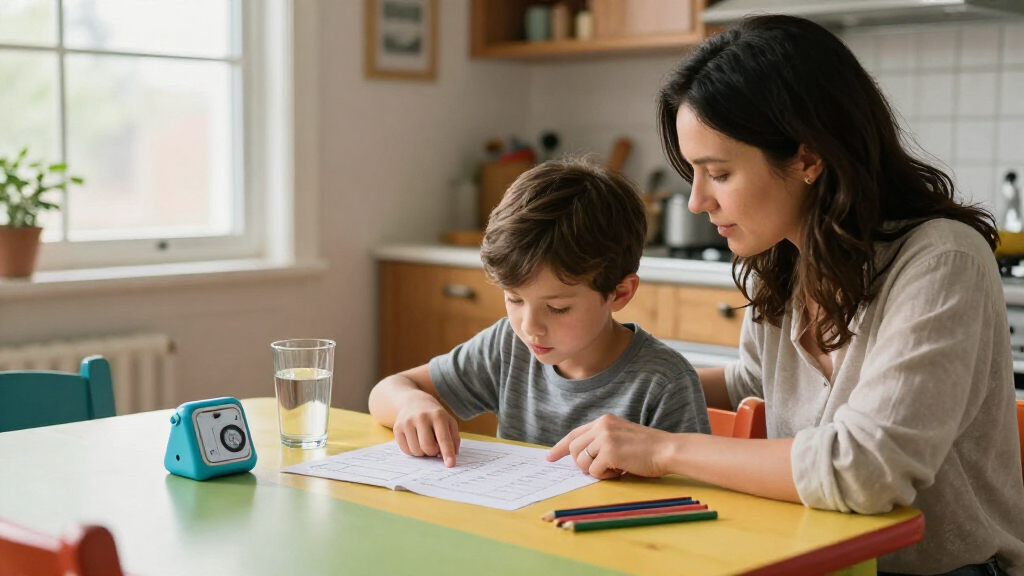
Morse also recommends a predictable after-school break that can include food and movement, with a defined end and a regular homework time. He cautions that moving from screens directly to homework can be difficult. During work, a parent might sit nearby and do their own task, offering support without completing the child’s assignment. If a child is exhausted, in tears or repeatedly stuck, the report advises parents to tell the teacher how long the work took and what difficulties came up.
Reducing Conflict Without Doing the Work
The advice addresses a recurring pressure point for families: homework demands attention, planning and task initiation at the same time that a child may be tired from the school day. The report’s central practical distinction is between supporting the process and taking over the assignment. Smaller steps, calm company and limited choices can give a child structure while leaving the teacher able to see the child’s own work.
Knowing when to stop also matters. Morse says continuing after a child is exhausted or a substantial conflict has developed may no longer support learning. Recording what happened and contacting the teacher can shift the response from a nightly argument to a discussion about workload or support. The report does not promise that these strategies will resolve every family’s difficulties; it offers approaches parents can try and a route to seek help when homework remains a daily struggle.
Products Worth Considering

BowFlex Results Series SelectTech Dumbbells

BowFlex Results Series SelectTech 552 Adjustable Dumbbell

BowFlex SelectTech 840 Adjustable Kettlebell
As an affiliate, we earn on qualifying purchases.
Why After-School Work Can Stall
The report cites an estimate that about one in nine U.S. children has been diagnosed with ADHD and says the American Academy of Pediatrics recognizes that ADHD can affect academic achievement. It frames homework difficulty partly around executive-function skills, including starting tasks, planning steps and keeping track of work. Those skills can develop more slowly in children with ADHD, according to the report.
Morse described the after-school period as especially demanding because children may have spent six or seven hours working hard to focus and sit still. That explanation provides context for the recommendations: a pause before homework, a clear first step and adult coaching are intended to reduce the demands of getting started. The article does not present the six suggestions as a formal treatment plan.
“The after-school brain is often a tired brain.”
— Michael Morse, child and adolescent psychiatrist, as quoted by Motherly
What the Advice Does Not Establish
The report offers expert recommendations, but it does not provide research comparing the six strategies or evidence that they work for every child. It also does not specify how much homework is appropriate for a particular age or student, or whether a particular child’s difficulty reflects fatigue, assignment demands, medication timing or another factor. The article’s estimate of ADHD diagnoses is reported without a detailed study reference in the supplied material.
Parents may need to work with a child’s teacher and care team to understand persistent difficulties. The report does not give individualized medical advice or recommend changing medication. It also does not define a universal amount of time a child should spend on homework before stopping.
When Families Should Contact Teachers
For a difficult evening, Morse’s guidance is to stop when the work is no longer productive or conflict has become substantial, then send the teacher a short note describing how long the homework took and what happened. That information can help the family and school discuss whether the assignment, timing or available support needs attention.
If homework remains a daily battle despite changes at home, the report says a tutor may be able to provide coaching with less friction between parent and child. Families can also raise ongoing concerns with the child’s school and health professionals. The article does not identify a scheduled follow-up or new policy; its next step is practical communication about the child’s actual experience with the work.
Key Questions
What are the six suggestions for homework with a child who has ADHD?
The report recommends a break after school, smaller task steps, parent coaching instead of enforcement, two acceptable choices, stopping when work becomes unproductive or conflict escalates, and contacting the teacher when the difficulty goes beyond effort.
Should homework start as soon as a child gets home?
Morse recommends not starting immediately. He suggests a predictable period to refuel and move before homework, followed by a consistent start time. The report also says the break should have a clear end.
What should a parent do if homework ends in tears?
Morse advises calling it when a child is exhausted, in tears or stuck despite help, particularly when the work is no longer teaching anything. Parents can tell the teacher how long the work took and what difficulties came up.
Does the report say parents should complete or correct the assignment?
No. Morse recommends helping a child plan and get started while leaving the work itself to the child. He says completing it for them can prevent the teacher from seeing what the child can do independently.
Source: mother.ly