
Frozen treats can trigger sensitivity faster because they cause rapid temperature changes that reach exposed dentin. If your enamel is already worn down, cold foods can send sharp pain signals directly to nerves. Repeated cold exposure can weaken enamel further, making your teeth more vulnerable. Poor dental habits, like brushing too hard or neglecting fluoride, worsen the problem. Keep going to discover how you can protect your teeth and reduce sensitivity over time.

Turn the school run and nap time into listening time
- Thousands of audiobooks, podcasts and originals
- Listen on your phone, tablet or Echo — also offline
- Cancel anytime
Key Takeaways
- Frozen treats rapidly lower mouth temperature, causing nerves to send sharp pain signals in sensitive teeth.
- Exposed dentin from enamel erosion allows cold to reach nerve endings more easily.
- Repeated cold exposure accelerates enamel wear, increasing sensitivity over time.
- Damaged enamel and exposed dentin make teeth more vulnerable to cold-induced pain.
- Poor dental habits, like aggressive brushing, worsen enamel erosion, heightening sensitivity from frozen treats.
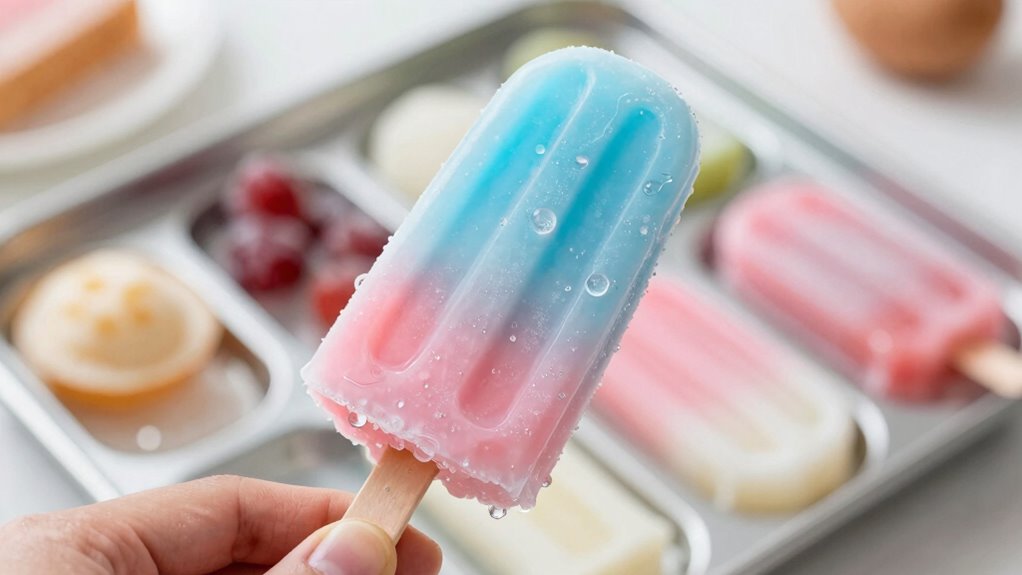
Many people love indulging in frozen treats like ice cream and popsicles, but for some, these cold desserts can trigger tooth sensitivity. The cold temperature effects on your teeth happen quickly. When you bite into something icy, the cold causes the tiny nerves inside your teeth to send sharp signals of pain. This happens because, without sufficient enamel, the exposed dentin—a layer beneath the enamel—allows temperature changes to reach your nerve endings more directly. Over time, repeated exposure to cold treats can wear down enamel further, making your teeth more sensitive and increasing your chances of discomfort even with less extreme cold. You might not realize how fast this process can escalate. Regularly indulging in frozen desserts without caring for your dental health can lead to a quicker breakdown of dental enamel. When enamel erodes, it leaves your teeth exposed to temperature swings and acidic foods, which can accelerate sensitivity. The more your enamel wears down, the easier it is for cold to penetrate, causing a sharp, often throbbing pain that seems to come out of nowhere. That’s why even small bites of ice cream can become painful if your enamel is compromised. Your oral health habits can influence how quickly you experience sensitivity from cold treats. If you brush too hard, use abrasive toothpaste, or neglect fluoride treatments, you risk thinning your enamel further. This makes your teeth less resistant to cold temperature effects. Additionally, if you have cavities or gum recession, the risk of sensitivity increases because your teeth’s protective layers are already damaged or exposed. The combination of these factors can turn what starts as minor discomfort into persistent pain after just a few bites of frozen food. Maintaining good dental enamel strength is essential to prevent rapid sensitivity from cold treats. Protecting your enamel through proper dental care and avoiding excessive exposure to cold can help reduce tooth sensitivity. Being aware of brittle enamel and its impact on sensitivity can motivate better preventive practices. It’s also helpful to stay informed about enamel erosion and how to prevent it from worsening.
desensitizing toothpaste for sensitive teeth
As an affiliate, we earn on qualifying purchases.
As an affiliate, we earn on qualifying purchases.
Frequently Asked Questions
Can Frozen Treats Worsen Existing Dental Sensitivity?
Yes, frozen treats can worsen your existing dental sensitivity. The cold temperature causes your teeth to contract, which can accelerate dental erosion and enamel wear. Over time, repeated exposure to cold treats weakens your enamel, exposing the dentin beneath and increasing sensitivity. If you already have sensitivity, enjoying frozen treats frequently may make the discomfort worse, so it’s best to limit consumption and maintain good oral hygiene to protect your teeth.
Are Certain Flavors More Likely to Trigger Sensitivity?
Think of your teeth as a delicate garden, sensitive to harsh elements. Certain flavors, like citrus or mint, act like aggressive weeds, more likely to trigger sensitivity. Flavor combinations and ingredient variations—think tart citrus with sugary sweetness—can intensify this effect. You should be cautious with these, especially if you already notice discomfort. Opt for gentler flavors and avoid overly cold or acidic treats to protect your dental health.
How Quickly Can Sensitivity Develop After Consuming Frozen Treats?
Sensitivity can develop within minutes of consuming frozen treats, especially if your teeth are already compromised. The temperature impact causes your enamel to contract and expand, increasing vulnerability. If you have ingredient sensitivity, like to sugar or certain additives, your teeth may react almost instantly. So, if you notice discomfort after enjoying a cold snack, it’s likely due to your teeth’s response to both temperature changes and specific ingredients.
Do Sugar Content Levels Affect Sensitivity Risk?
Sugar impact plays a significant role in sensitivity risk, especially with frozen treats. High sugar content acts like a double-edged sword, intensifying flavor sensitivity and irritating nerves. If your treats are loaded with sugar, you’re more likely to experience quick discomfort. The more sugar you consume in frozen foods, the sharper the potential for sensitivity, making it essential to choose options with lower sugar levels to protect your teeth and enjoy treats safely.
Can Homemade Frozen Treats Be Less Harmful Than Store-Bought?
Yes, homemade frozen treats can be less harmful than store-bought options. By making your own, you control ingredients, avoiding preservatives and artificial additives that can increase sensitivity risk. DIY alternatives often have fewer chemicals and sugar, reducing irritation. Plus, you can choose gentle, natural ingredients that are less likely to trigger discomfort, making homemade treats a smarter choice for sensitive teeth and overall oral health.
Conclusion
Next time you indulge in a frozen treat, remember it’s more than just a cold delight—it’s a fleeting dance of temperature on your teeth. The icy chill quickly seeps in, whispering warnings of sensitivity waiting to surface. So, savor slowly, letting each bite melt softly, giving your teeth time to brace against the chill. Because beneath that sweet, icy exterior lies a delicate balance—protect it, and enjoy your treats without the pain.
Halloween Picks
halloween
As an affiliate, we earn on qualifying purchases.