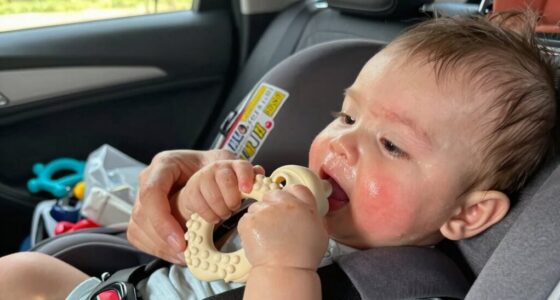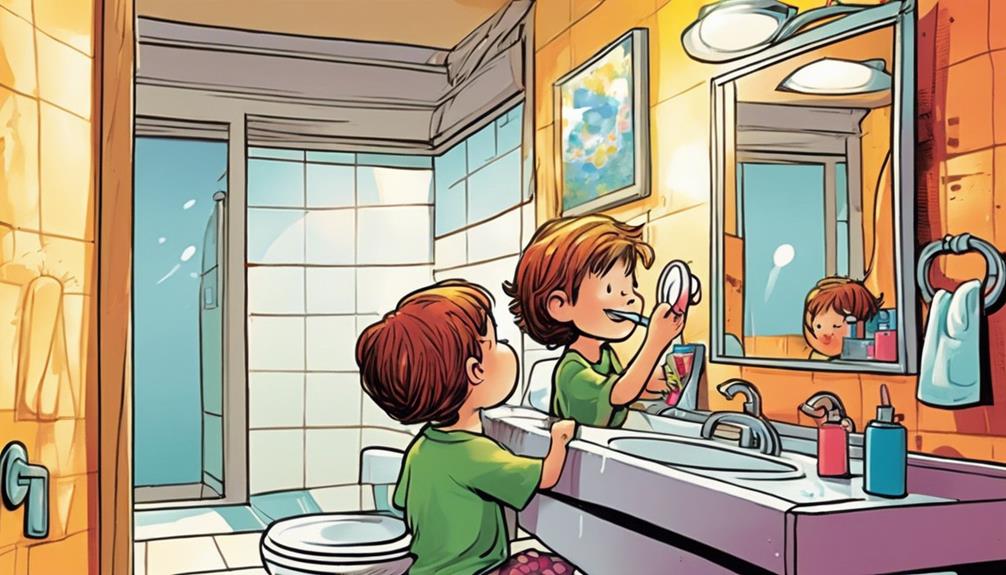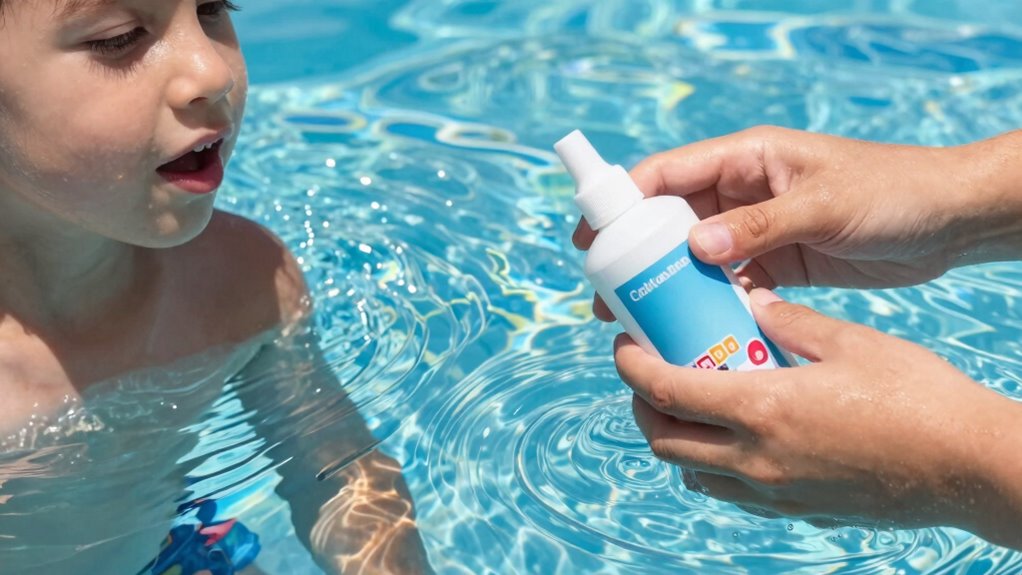

As a parent, you should know that chlorine in pool water helps keep pools clean but can cause skin, eye, and mouth irritation if not properly balanced, leading to dryness and dehydration. Watching for signs like dry lips or mouth, dizziness, or fatigue can help catch dehydration early. Making sure your child stays hydrated and taking regular breaks are key. To better protect your kids and ensure safe swimming, there’s more to learn about managing pool safety and water quality.

Turn the school run and nap time into listening time
- Thousands of audiobooks, podcasts and originals
- Listen on your phone, tablet or Echo — also offline
- Cancel anytime
Key Takeaways
- Properly balanced chlorine in pools prevents skin, eye, and mouth irritation in children.
- Dry mouth after swimming may indicate dehydration, requiring increased water intake.
- Regular breaks and hydration help reduce dehydration risks during pool time.
- Supervision and education are essential to prevent children from swallowing pool water.
- Monitoring chemical levels ensures a safe, comfortable swimming environment for kids.

Swimming pools are a popular way for kids to stay active and have fun, but as a parent, you should understand how chlorine and pool water can affect your child’s health. Confirming proper pool safety is essential, especially since exposure to chlorine can sometimes lead to dry mouth or dehydration. When your child spends time in the water, it’s important to monitor their hydration levels and be aware of how the pool environment may influence their comfort and well-being.
Chlorine helps keep the pool clean by killing bacteria and preventing algae growth, but it can also irritate your child’s mouth, eyes, and skin if not properly balanced. Dry mouth is a common side effect, especially after long periods in the water or during hot weather. When your child experiences dry mouth, it’s a sign they might be dehydrated, which can affect their energy levels and overall health. To prevent this, encourage frequent hydration, offering water before, during, and after pool time. Keeping your child well-hydrated helps maintain their electrolyte balance and reduces the risk of dehydration-related issues.
In addition to hydration, practicing good pool safety can minimize health risks. Make sure your child takes breaks from swimming to rest and hydrate. Teach them to recognize signs of dehydration, such as dry lips, dizziness, or fatigue. If your child complains of a dry throat or mouth after swimming, it’s a cue to give them water and help them recover. Using pool covers when the pool isn’t in use and ensuring proper chemical levels in the water also contribute to a safe swimming environment. Properly balanced chlorine levels reduce skin and eye irritation, making your child’s swimming experience more comfortable and less likely to cause dry mouth. Monitoring chemical levels can help prevent discomfort and keep the water safe for everyone. Regularly checking and adjusting chemical levels is especially important during hot weather when evaporation can alter water chemistry. Additionally, understanding the health effects of chlorine can help you better manage pool safety and minimize potential risks. Being aware of how to balance pool chemicals effectively is crucial for maintaining a healthy swimming environment.
Always supervise your kids around the pool, and set clear rules about not swallowing water, which can contain bacteria or chemicals that irritate the mouth and throat. Proper chemical balance** is key to preventing excessive chlorine levels, which can increase discomfort and health risks. Educate your children about the importance of staying hydrated and taking breaks, so they understand how to protect themselves during swim sessions. It’s also helpful to be aware of how chlorine exposure** can impact respiratory health, especially for sensitive children. By understanding these effects, you can better advocate for a safe and comfortable swimming environment.
Products Worth Considering

OMRON VIVA 360+ Body Composition Monitor and Smart Scale
OMRON Complete 2-in-1 Upper Arm Blood Pressure Monitor with EKG

Hyperice Normatec Elite Wireless Compression Boots Recovery – Standard Size
As an affiliate, we earn on qualifying purchases.
Frequently Asked Questions
Can Chlorine Exposure Cause Long-Term Health Issues in Children?
Chlorine exposure can pose risks, but long-term health issues from typical pool use are uncommon if you follow safety guidelines. Excessive chlorine toxicity might cause respiratory or skin irritation, but serious long-term health effects are rare in children. To minimize risks, guarantee proper pool maintenance, supervise your kids, and limit their time in chlorinated water. This way, you help protect your child’s health while enjoying pool days.
How Can I Tell if My Child’s Dry Mouth Is Due to Pool Water?
Think of your child’s dry mouth as a wilted flower, signaling dehydration or irritation. If it occurs after swimming, pool water might be the culprit, especially if your child drinks little afterward. Notice if their dry mouth coincides with pool visits, and check for redness or discomfort in their mouth. Keep an eye on hydration levels and observe if the dry mouth improves away from the pool, helping you identify the cause.
Are There Safe Alternatives to Chlorine for Pool Sanitation?
Yes, there are safe alternatives to chlorine for pool sanitation. Natural alternatives like saltwater systems use salt to generate gentle chlorine, reducing harsh chemical exposure. These systems produce fewer irritants, making them a good choice if you’re concerned about your child’s dry mouth or skin. Saltwater pools are easier to maintain and provide a more comfortable swimming experience, offering a safer, eco-friendly option without sacrificing cleanliness.
How Often Should I Monitor My Child’s Hydration After Swimming?
You should monitor your child’s hydration closely after swimming, especially during and after pool time. Keep an eye on signs of dehydration like dry mouth, dizziness, or fatigue. Encourage regular hydration by offering water frequently, and note their pool water intake. Hydration monitoring helps guarantee your child stays healthy and comfortable, preventing dry mouth and other dehydration symptoms. Make certain they drink enough fluids to replenish lost moisture after swimming.
What Are Signs of Chlorine Allergy or Sensitivity in Children?
Chlorine allergy symptoms in children can surprise you—red, itchy eyes, skin rashes, or persistent dry mouth after swimming. While pool water keeps the water safe, sensitivity might cause discomfort. Watch for swelling, difficulty breathing, or severe skin reactions, which signal a more serious allergy. If you notice these signs, consult a healthcare professional promptly to guarantee your child’s safety and comfort during future pool visits.
Conclusion
As you watch your child splash and laugh in the pool, remember that chlorine is like a guardian—protecting them from unseen dangers. But just as water can soothe or dehydrate, it reminds us to balance safety with comfort. Keep an eye on dry mouths, symbolizing the need for hydration and care. By understanding these signals, you become the steady anchor guiding your child safely through the waters of summer, ensuring their joy is both fun and safe.